AI brain scan tool predicts how fast you are aging

Our bodies change as we get older, and one undesirable result is that we become more vulnerable to age-related issues. Particularly, old age is characterized by a significant physical and mental decline. But why is it that some people thrive in their later years, while others face several health challenges prematurely? It’s as if some people age faster than others.
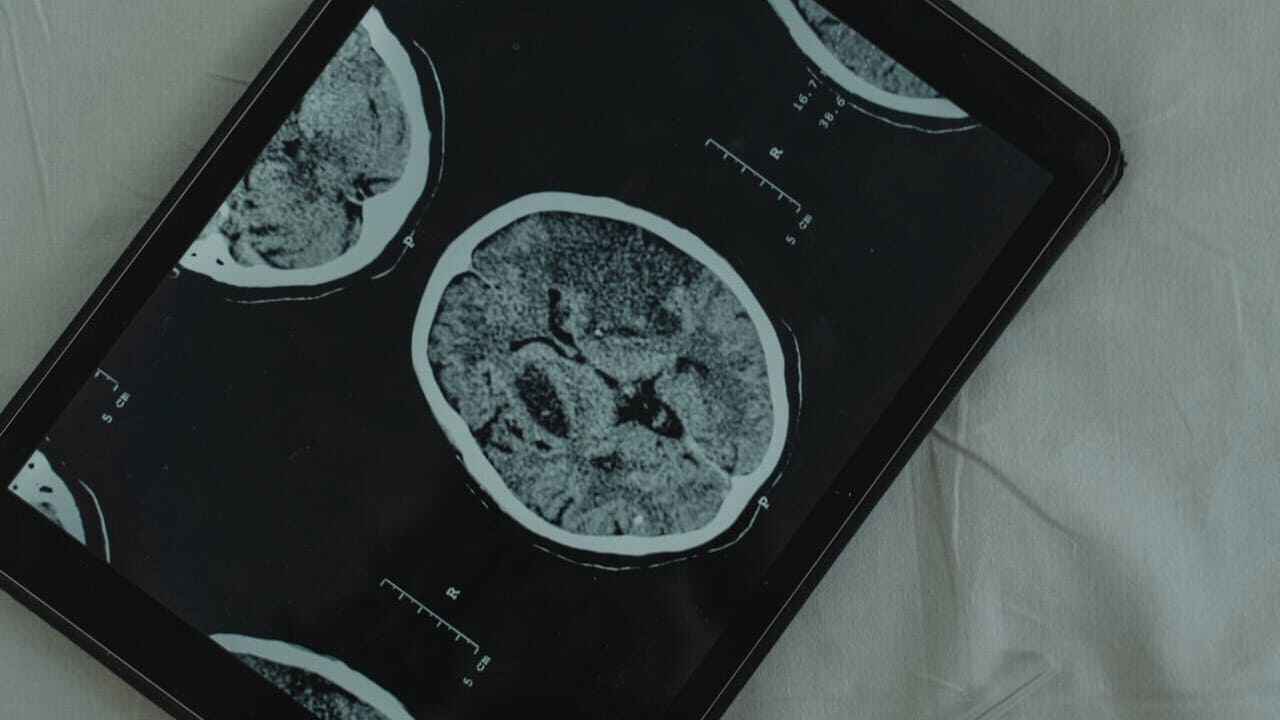
To get to the bottom of this, scientists from Duke, Harvard, and the University of Otago have unveiled a game-changing tool called DunedinPACNI. It uses a single AI brain scan to reveal how fast a person is biologically aging. It’s changing the way we track aging and the long-term health risks associated with it.

The secret to how fast we age is in the brain
The DunedinPACNI was named after the Dunedin Study, which followed over 1,000 people since their birth in the 1970s. Researchers analyzed decades of data, looking at factors like blood pressure, BMI, cholesterol, glucose, kidney function, and even dental health, to come up with a unique “aging score” for each participant. The new MRI-based AI brain scan can predict this score with surprising accuracy from a scan taken at age 45.
Brain aging predicts both physical and mental decline
Participants whose aging scores were faster showed early signs of memory-related brain changes, such as shrinkage of the hippocampus. Follow-up studies of people aged between 52 and 89 showed that those aging rapidly were 60% more likely to develop dementia, 18% more likely to be diagnosed with chronic illnesses, and 40% more likely to die within the same period compared to those who were aging at a slower pace. This data shows that brain aging and overall physical decline are closely linked.

DunedinPACNI is the future of preventative healthcare
The team believes DunedinPACNI could change the landscape of preventive medicine. If it were possible to spot health risks early through an AI brain scan, at-risk individuals might be motivated to make healthier lifestyle changes (e.g., diet, exercise, and stress management). It could also help healthcare providers evaluate the effectiveness of treatment and slow the progression of age-related diseases.
Related Links:
- Paralyzed man speaks and sings with ai brain-computer interface
- Rice-sized robot could make brain surgery safer and less invasive
Kurt’s key takeaways
The DunedinPACNI is a great tool that offers a non-invasive and powerful window into biological aging that traditional blood tests never could. A single AI brain scan provides a lifetime of health insights. It comes at a much-needed time as chronic diseases are on the rise. It may just be one of the key ingredients in predicting health outcomes and coming up with personalized wellness strategies.
Have you considered advanced tools like MRI scans for preventative healthcare? Share your thoughts in the comments below.
FOR MORE OF MY TECH TIPS & SECURITY ALERTS, SUBSCRIBE TO MY FREE CYBERGUY REPORT NEWSLETTER HERE
Copyright 2026 CyberGuy.com. All rights reserved. CyberGuy.com articles and content may contain affiliate links that earn a commission when purchases are made.