Would you buy the world’s first personal robocar?
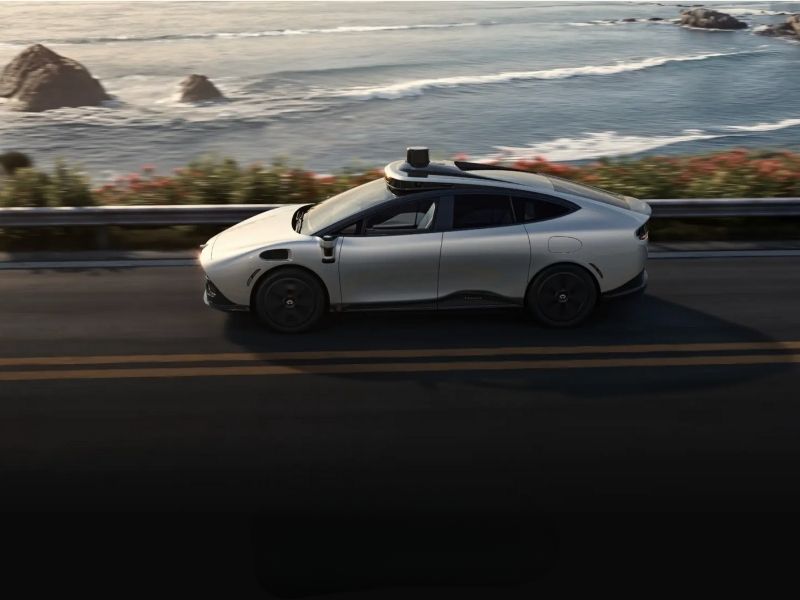
Silicon Valley startup Tensor is taking a bold step into the future of driving. Unlike rivals chasing robotaxi fleets, Tensor wants consumers to own the first true self-driving car. The company calls it the world’s first personal robocar.
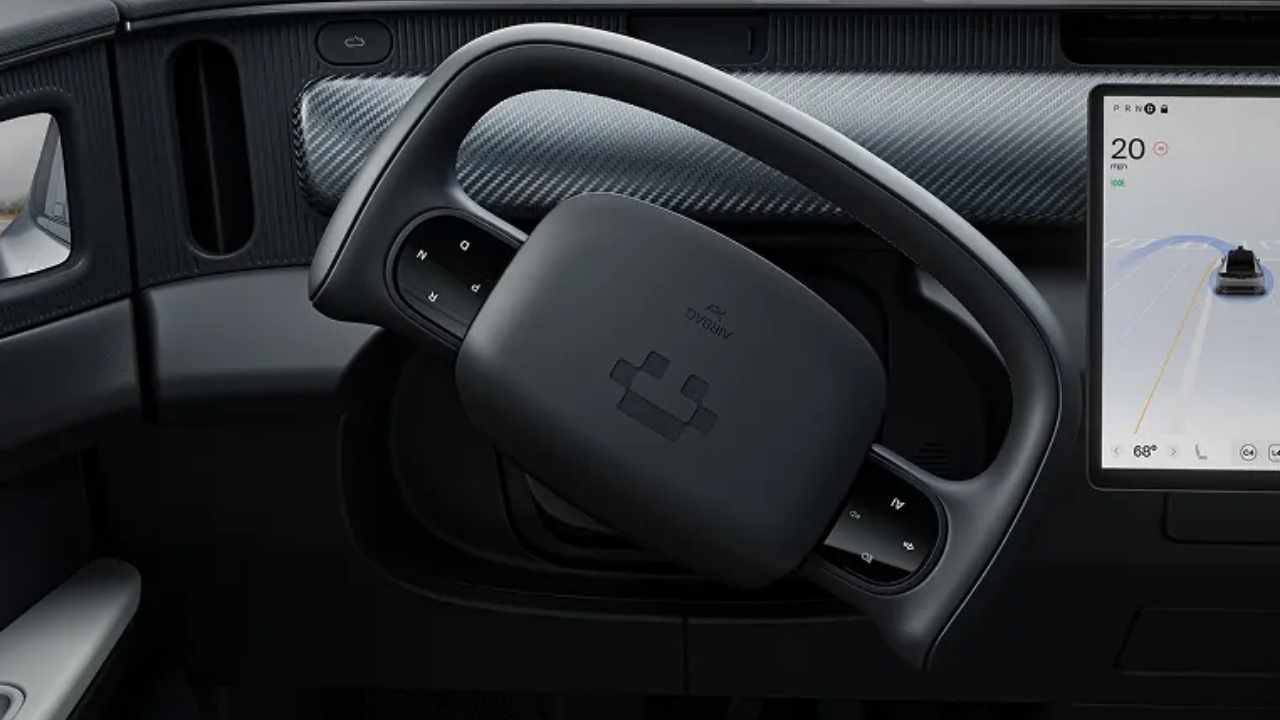
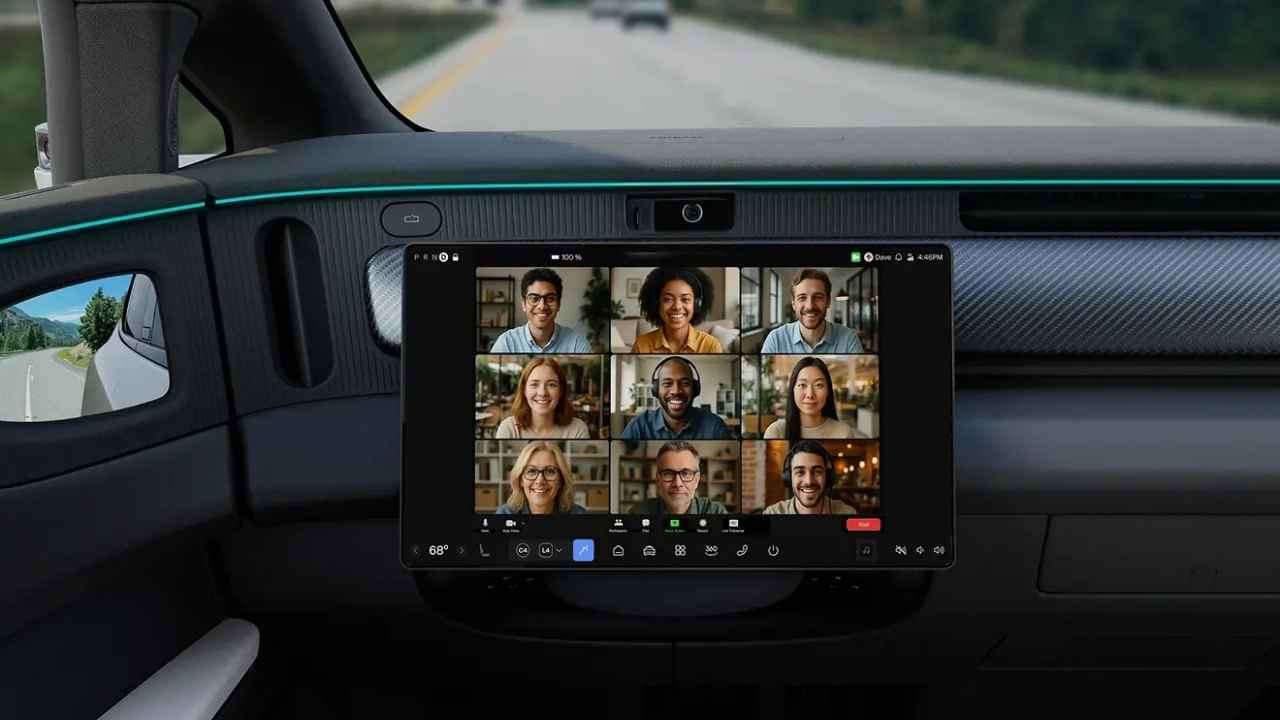
This luxury EV promises Level 4 autonomy, meaning you can ride with your eyes off the road while the steering wheel folds away into the dash. In its place, a wide screen transforms the driver’s seat into a lounge or mobile office.
Credit: Tensor
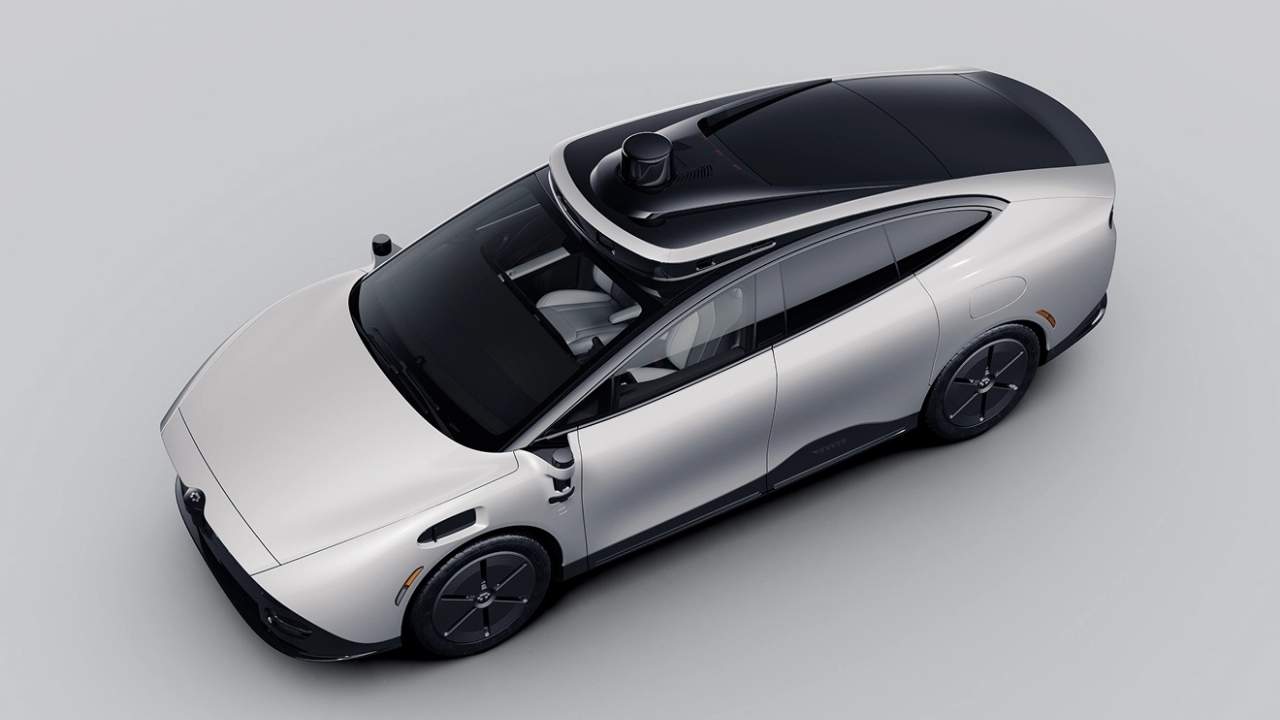
Tensor robocar loaded with sensors and AI power
Tensor built this machine from the ground up. It is covered in tech: 37 cameras, 5 custom lidars, 11 radars, plus microphones, ultrasonics, and water detectors. Each sensor includes cleaning systems to keep its view clear in any condition.
The car runs on Tensor’s own Foundation Model, a transformer-based AI designed to mimic human driving decisions. Unlike many competitors, the system works without constant cloud support. That means better privacy and no dependency on remote servers.

Credit: Tensor
How Tensor’s robocar differs from robotaxis
Most autonomous startups, including Tensor’s earlier brand AutoX, started with robotaxi fleets. Those are easier to control since they operate in one city and return to a depot every night.
Tensor is taking a tougher path: consumer cars. That means the robocar must adapt to highways, urban roads, and real-world conditions without a safety net. While it won’t drive on every road from day one, owners can take control whenever needed.
Credit: Tensor
Tensor’s robocar is designed for safety and luxury driving
Tensor promises full redundancy across steering, braking, and computing. If one system fails, backups take over instantly. The interior design adds another layer of appeal. With retractable pedals and foldable steering, the cabin feels more like a living space than a driver’s seat.
The company partnered with Vinfast, the Vietnamese automaker, to manufacture the vehicle. Pricing remains under wraps, but executives admit it will exceed luxury EVs like the Lucid Air.
Credit: Tensor
What this means for you
Tensor’s approach signals a turning point. Instead of waiting for ride-hailing services to roll out self-driving fleets, consumers may soon buy autonomy outright. If successful, this could reshape not just commuting but how we think about owning cars at all.
Related Links:
- Autonomous robotaxi successfully completes 75 mph highway testing
- Elon Musk unveils Tesla’s Robovan, Robotaxis, and humanoid robots
- Hop in, no driver needed for this future ride-hailing robotaxi
Kurt’s key takeaways
Tensor has history on its side. Its AutoX roots gave it years of testing, including permits for driverless operation in California since 2020. Now rebranded, it’s racing to sell the first consumer-ready robocar by 2026. The gamble is big. Luxury buyers may welcome the futuristic design and privacy protections, but mass adoption will depend on trust, safety, and real-world performance.
Would you hand control of your daily drive to a car that promises to drive itself? Let us know in the comments below.
FOR MORE OF MY TECH TIPS & SECURITY ALERTS, SUBSCRIBE TO MY FREE CYBERGUY REPORT NEWSLETTER HERE
Copyright 2025 CyberGuy.com. All rights reserved. CyberGuy.com articles and content may contain affiliate links that earn a commission when purchases are made.