Cyberattacks on nursing homes: How to protect your loved ones
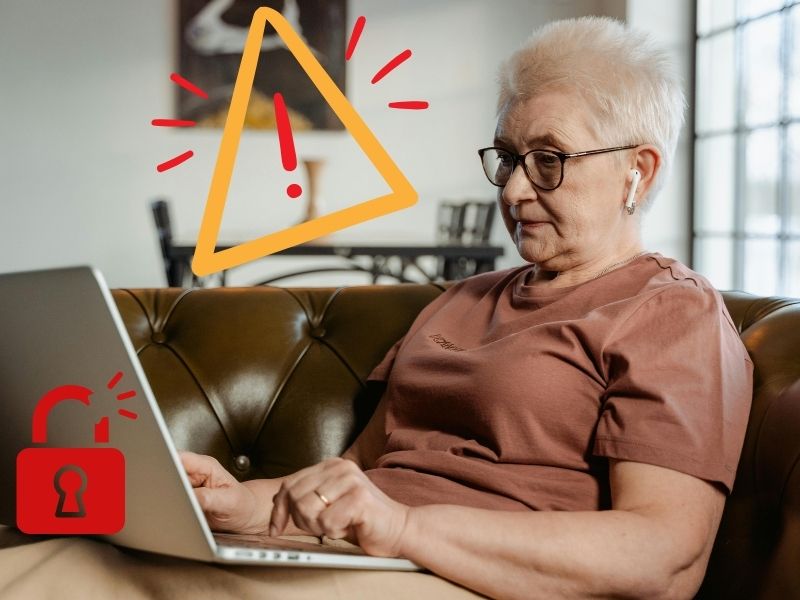
Taking care of your loved ones comes in many forms: cooking a warm meal after a long day, lending a listening ear when life gets tough, sending a check-in text just because, or making sure they receive the right support at a nursing home. But as recent events have shown, care shouldn’t stop there. Physical and mental well-being are essential, but protecting their finances and personal information is just as important. I’ll walk you through some steps you can take and some services worth considering to stay one step ahead of cybercriminals.

Protecting nursing home residents from cyberattacks and data breaches
Scammers and fraudsters often have no moral compass, and they increasingly target the most vulnerable, especially nursing homes and the personal data of their residents.
Take the case of Hillcrest Nursing Home, which suffered a cyberattack that led to a data breach affecting more than 100,000 people. Names, birthdates, Social Security numbers, patient records, treatment information, insurance details, and provider data—all leaked in a single incident.
The good news? There are things you can do to help safeguard your loved ones’ financial and personal data in the event of a similar breach.

HOW CRIMINALS ARE EXPLOITING PERSONAL INFORMATION TO TARGET VULNERABLE SENIORS IN ELDER FRAUD
Cyberattacks exploit vulnerable systems and elderly patients
In the first few months of 2025 alone, more than half a dozen nursing homes have reported some form of cyberattack. Experts say elderly patients are being targeted because they’re simply easier marks, from limited digital literacy to a lower likelihood of regularly monitoring their financial or medical accounts.
Add to that the often outdated and vulnerable IT infrastructure of nursing homes, and you’ve got a prime target. As a security advisor from Optiv, a cybersecurity solutions company, explains, these facilities typically operate on tight budgets, which means cybersecurity isn’t always a top priority—or even feasible at the level it should be.

BEST TECH TO HELP A LOVED ONE WITH MEMORY ISSUES
6 things you should do to make sure your loved ones are safe from cyber threats and identity theft
Cybercriminals are becoming increasingly sophisticated, but with the right precautions, you can protect your loved ones from falling victim to these threats. Here’s a guide to six essential actions you can take to safeguard their personal and financial information.
1) Freeze credit accounts to prevent fraud
Data breaches usually happen for one reason: financial gain. This often involves selling stolen information to scammers or hackers who use it for fraudulent activities, such as running credit fraud schemes. Since many forms of identity theft revolve around credit accounts, it’s crucial to take action if your or a loved one’s personal data has been exposed.
One of the most effective ways to prevent credit fraud is by placing a security freeze on your credit accounts. A security freeze stops anyone from opening new accounts, issuing new cards, or conducting any credit-related activities in your name while the freeze is in place.
If managing this process feels overwhelming, consider using an identity theft protection service. These services can handle placing and managing security freezes on your behalf, saving you time and ensuring the process is done correctly. Many of these services also offer additional features, such as credit monitoring and alerts, to help you stay on top of potential threats to your personal information. Taking this step can significantly reduce the risk of identity theft and provide peace of mind that your financial information is secure.
Identity Theft companies can monitor personal information like your Social Security Number (SSN), phone number, and email address, and alert you if it is being sold on the dark web or being used to open an account. They can also assist you in freezing your bank and credit card accounts to prevent further unauthorized use by criminals.
See my tips and best picks on how to protect yourself from identity theft.
2) Place a fraud alert
A fraud alert is an extra layer of protection for your credit accounts. Like a credit freeze, you can set it up with all three credit bureaus.
When you activate a fraud alert, it notifies the bureaus that there may be suspicious activity on your account. As a result, any attempts to open new credit or make changes will be looked at more carefully.
Equifax: You can place a fraud alert online or by calling their customer support at (888) 298-0045.
Experian: Place a fraud alert online or contact their customer service at (888) 397-3742.
TransUnion: You can place a fraud alert online or call them at (800) 916-8800.
3) Sign them up for a data removal service
Now that your credit accounts are secured, there’s one more step worth taking—a broader layer of protection. I’m talking about personal data removal services. These companies specialize in removing your personal information from the internet. With how easy it is for someone to find details like your name, address, contact info, relatives, and more, you and your loved ones are at greater risk for scams and identity theft.
This is especially true for older adults, who are often seen as easier targets by scammers. Even just for peace of mind, it’s worth taking this extra step. There are plenty of services out there that tackle this issue, but the one I recommend is Incogni.
Incogni works by removing your information from data brokers—companies that collect, store, and sell personal data.
Here’s how to protect your privacy with Incogni:
- Go to Incogni
- Choose a plan that fits your needs. If you want to protect a loved one’s information, too, the Family and Family Unlimited plans are your best bet.
- Enter the required details so they can locate and match any profiles containing your information.
While no service promises to remove all your data from the internet, having a removal service is great if you want to constantly monitor and automate the process of removing your information from hundreds of sites continuously over a longer period of time.
Mother’s Day Incogni Special for CyberGuy Readers: 65% OFF (lowest anywhere)
Incogni is offering an exclusive deal just for CyberGuy readers, including a 30-day money-back guarantee and discounted rates on annual plans—available only through the links in this article. With this fully automated data removal service, you’ll get ongoing protection from 250+ data brokers and can even request removals from specific sites where your information appears. I recommend the family plan, which offers coverage for up to five people. It’s a fantastic way to keep your loved ones’ personal information private year-round. I highly recommend giving it a try to see how effective it can be.
Get Incogni for your family (up to 5 people) here
4) Install strong antivirus software
Installing strong antivirus software to further safeguard your loved ones’ devices and personal information. Strong Antivirus programs help block malware, spyware, and phishing attempts that can lead to identity theft.
The best way to safeguard yourself from malicious links that install malware, potentially accessing your private information, is to have antivirus software installed on all your devices. This protection can also alert you to phishing emails and ransomware scams, keeping your personal information and digital assets safe.
5) Regularly review Financial Statements
Encourage your loved ones to regularly review their bank and credit card statements for any suspicious transactions, or do it for them. Early detection can help prevent significant financial loss.
6) Educate on Internet Safety
Many elderly individuals fall victim to scams due to limited digital literacy. Providing basic cybersecurity education, such as recognizing phishing emails, avoiding suspicious links, and using strong passwords, can significantly reduce their risk of being targeted. Consider using a password manager to generate and store complex passwords.
Get more details about my best expert-reviewed Password Managers of 2025 here.
HOW VR TECHNOLOGY IS CURING LONELINESS IN SENIORS
Kurt’s key takeaways
Remember that protecting your loved ones from cyber threats and identity theft is an ongoing process. It’s not just about taking a few steps and forgetting about it; it’s about continually updating your strategies as new threats emerge. By combining these measures—like freezing credit accounts, using fraud alerts, removing personal data from the internet, installing strong antivirus software, regularly reviewing financial statements, and educating them on internet safety—you can significantly reduce the risk of identity theft and provide peace of mind for both you and your loved ones.
Have you or a loved one ever been a victim of a cyberattack or identity theft? How did you handle it? Let us know in the comments below.
FOR MORE OF MY TECH TIPS & SECURITY ALERTS, SUBSCRIBE TO MY FREE CYBERGUY REPORT NEWSLETTER HERE
This article was created in partnership with Incogni
Copyright 2025 CyberGuy.com. All rights reserved. CyberGuy.com articles and content may contain affiliate links that earn a commission when purchases are made.