Data removal does what VPNs don’t: Here’s why you need both

If you’re like most people, you’ve probably heard the term “VPN” (Virtual Private Network) tossed around in conversations about online privacy, streaming, or cybercrime. Maybe you’ve even been told, “You should really use a VPN.” But what exactly is a VPN—and why is it not enough to truly protect your personal information? A good VPN prevents some personal information from being collected, but does nothing to affect the personal data that’s already “out there,” being bought and sold, published, and viewed. This is where a good personal information removal service comes in—not a substitute for a VPN, but a much-needed complement.

What is a VPN
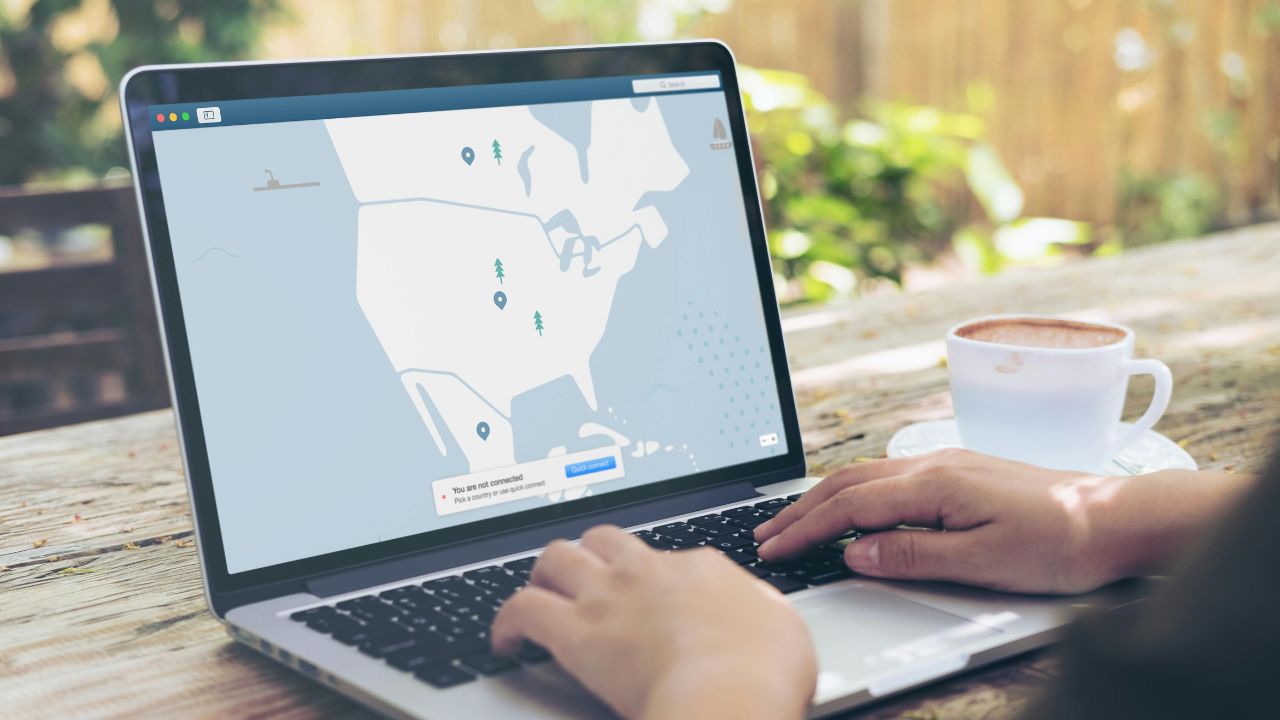
VPN stands for Virtual Private Network. It acts like a secure tunnel between your device and the internet. When you use a VPN, it hides your location by replacing your actual IP address with a different one, often from another city or country. Additionally, it encrypts your data, which means it scrambles everything you send and receive online so no one else can spy on it, like your internet service provider (ISP), hackers on public Wi-Fi, or advertisers.

BEST ANTIVIRUS FOR MAC, PC, IPHONES AND ANDROIDS – CYBERGUY PICKS
Benefits of using a VPN
Using a VPN provides several benefits. Websites and services you connect to through a VPN can’t see where you’re connecting from; they can only trace you back as far as that exit point from the VPN. Furthermore, your ISP (internet service provider) can’t see what you’re receiving or transmitting over the network (because it’s encrypted when it passes through their servers) or what sites you visit (they just see you connecting to your VPN and nothing else). With that in mind, here are some situations in which you might need a VPN:
1) Traveling or staying abroad
Need to connect to the Wi-Fi at an airport, a hotel, or a coffee shop? A VPN will make it so that the owner of that Wi-Fi can’t snoop on what you’re doing or manipulate what you see (for example, redirecting you from your actual online banking site to a malicious lookalike). If you’re abroad, you might find your favorite streaming and TV sites don’t work or have limited features. You can use a VPN to make it look like you’re back home to unblock content (as long as this is legal). Check out our top 6 reasons why you need a VPN when you travel.
2) Shopping for flights and digital products
Flights are often cheaper from your destination than from your starting location; a VPN can make it look like you’re purchasing them from your destination. Many digital products and subscription services are cheaper in other parts of the world—a VPN can take you there. This isn’t always legal, but when it is, it’s a great option.
3) Living or staying in a country with internet censorship
Virtually all countries have some restrictions on what sites are viewable within their borders. A VPN can help you jump over those borders to places with fewer restrictions. This is almost always, by definition, illegal, so check local laws before you act.
4) Using an untrustworthy ISP
You might have good reasons to distrust your ISP. Your ISP can see—and keeps records of when you’re online and what domains you visit. With a VPN, they’ll only see that you connected, when you connected, and how much traffic (uploads and downloads) you triggered.
5) Wanting to reduce your digital footprint
This is often one of the main selling points for VPNs, but it’s not really their strong suit. A VPN stops your device’s IP address from being logged by the sites you visit (as long as you set it up and use it properly). This limits some, but not all, of the location tracking that many sites and services use. The thing is, as soon as you fill in a form or share any personal information, this cloak of partial invisibility dissolves. Also, companies that want to track you use a whole host of techniques to identify you and your devices; an IP address is just one small part of that machinery.
Why personal data removal is the key to cleaning your digital footprint
Enlisting the help of a personal information removal service like Incogni has a different goal than using a VPN. Data removal is all about cleaning up the personal information that’s already out there, doing the rounds as it’s bought and sold by data brokers. A good personal information removal service will also prevent your data from reappearing in data broker databases after it’s been removed. A VPN can stop some personal data from making its way into the hands of data brokers, but not all. If you do some online shopping, for example, using a VPN will stop the website from capturing your IP address, but it won’t prevent your name, address, credit card details, and even purchase history from being sold on to a data broker. Neither will a data removal service, but at least it can clean up your digital footprint after the fact. Here are five benefits to using a data removal service:
1) Digital breadcrumb cleanup
Like in the online shopping example above, a data removal service works to clean up the digital breadcrumbs you leave behind as you go about your business online. Because, short of going completely off grid, you’ll always leave at least traces behind. Data removal stops the companies that specialize in trading in personal information from practicing their trade.

TIDY UP YOUR TECH: SPRING CLEANING TIPS FOR SAFEGUARDING YOUR DATA
2) Public record containment
Court records, marital status, and even property records are public records and cannot be made private except in rare circumstances. The saving grace is that these records are scattered across government websites at the federal, state, and local levels—it takes a bit of digital legwork to piece them all together. This is exactly what data brokers do and exactly what a data removal service puts a stop to. There’s a big difference between scattered records tucked away all over the place and a single, searchable profile that presents everything on a silver platter.
3) Cutting off scammers at the source
Spammers need personal information to send you unwanted communications. At the very least, they need your email, address, or phone number. Scammers need at least one of these to even approach you, but they can craft far more devastating and convincing scams if they know more about you. A personal information removal service deprives them of all this data, making it more difficult for them to contact you in the first place and then much more difficult for them to spin a convincing tale if they do.
4) Some protection against other crimes
Cases of harassment, stalking, and even assault often start with personal information being found online by exactly the wrong people. Not having this kind of information circulating online can go a long way towards preventing serious incidents and crimes.
5) Works in the background 24/7
Unlike a VPN, which you have to set up and remember to turn on, data removal takes place in the background without you having to do anything. Once you’re signed up, it truly is a set-and-forget service. While no service promises to remove all your data from the internet, having a removal service is great if you want to constantly monitor and automate the process of removing your information from hundreds of sites continuously over a longer period of time.
Incogni, a service I trust 100% and use myself, helps automate the process by submitting removal requests to hundreds of data brokers and people-search sites on your behalf.
Incogni automatically contacts data brokers on your behalf and requests the removal of your personal information. It also continues monitoring those sites and submits new removal requests if your data reappears.
- Incogni currently removes personal data from 420+ data broker and people-search websites, and its Unlimited plan allows you to request removals from as many additional sites as you need.
- Incogni has also received third-party assurance from Deloitte, validating its marketing claims.
- The goal is simple: make it much harder for strangers, scammers, and cybercriminals to find your personal information online.
CyberGuy readers get 60% off Incogni’s annual plans using the links in this article.
The service also includes a 30-day money-back guarantee, so you can try it risk-free and see how much of your information is exposed online.
Kurt’s key takeaways
So, there you have it. VPNs are a great tool for protecting your online privacy and keeping your data secure, but they’re not a magic bullet. While they can shield some information, they can’t do much about the personal data that’s already floating around out there. That’s where personal data removal services step in, working behind the scenes to clean up what’s been exposed. In a world where our digital footprints seem to grow with every click, it’s worth asking ourselves: Are we doing enough to protect our privacy? More importantly, are the tools and services we rely on really working together to give us the security we need?
Do you think the government and tech companies are doing enough to protect your privacy online, or is it ultimately up to individuals to take control? Let us know in the comments below.
FOR MORE OF MY TECH TIPS & SECURITY ALERTS, SUBSCRIBE TO MY FREE CYBERGUY REPORT NEWSLETTER HERE
This article was created in partnership with Incogni
Copyright 2025 CyberGuy.com. All rights reserved. CyberGuy.com articles and content may contain affiliate links that earn a commission when purchases are made.