Think you’re safe? Identity theft could wipe out your entire life’s savings
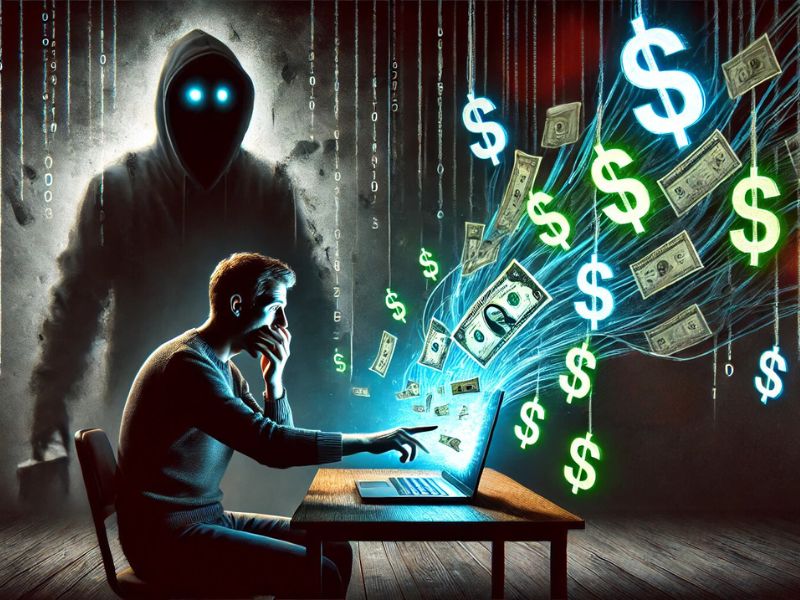
Identity theft has become a pervasive issue, affecting millions of Americans each year. In 2024, American adults lost an estimated $47 billion to identity fraud and related scams, up from $43 billion in 2023.
Paula Disberry, a former Colgate-Palmolive employee, was living a comfortable life when she discovered that her 401(k) account had been drained of $750,000. The shock came when she tried to access her account online, only to find it blocked. A fraudster had impersonated her, changing her contact details and withdrawing her entire retirement savings in a single transaction. Stories like this of financial identity theft are becoming all too common. If you live in the US, likely, you’ve already encountered one—or worse, experienced it firsthand.
Think identity theft won’t happen to you? Think again
The Federal Bureau of Investigation’s Internet Crime Report for 2023 reveals that adults aged 60 and above accounted for 24.08% of all identity theft claims and suffered 41.46% of the total financial losses. While they may not face a higher risk of becoming victims, the financial toll is significantly greater than any other age group. Older adults, especially those over 60, often feel the impact more deeply. Why? They typically have more assets than younger individuals and are less likely to monitor their bank accounts daily.
An age-old scam with a high-tech makeover
Identity theft has been a concern for centuries, with one of the most famous historical imposters being Frank Abagnale Jr. Abagnale claims to have successfully impersonated various professionals in the 1960s, including a Pan Am pilot and a doctor, forging checks and documents to amass a small fortune. His alleged exploits were so notorious that they inspired the film “Catch Me If You Can.”
While Abagnale’s story is a dramatic example, modern identity theft has evolved into a more pervasive threat, particularly with the rise of digital technology. The widespread availability of personal information on the web, combined with a lack of regulation preventing companies from collecting data without consent, has made it easier for criminals to exploit personal data. The scale is massive, and the impact can severely disrupt your life and that of your family.

Red flags to look out for
Being aware of the warning signs of identity theft can help you take action before it’s too late. Here are some red flags to watch for:
Unexplained account activity: Keep an eye out for unfamiliar transactions or changes in your bank or credit card statements that you don’t recognize.
Credit report changes: Regularly check your credit report for new accounts that you did not open or inquiries from lenders that you did not initiate.
Missing mail or bills: If you stop receiving bills or other important mail, it could indicate that someone has changed your address without your knowledge.
Unexpected denials: If you’re denied credit unexpectedly, it might be a sign that someone is using your information to apply for loans or credit cards.
Strange communication: Be cautious of emails, texts, or calls asking for personal information, especially if they create a sense of urgency or fear.
Unusual password changes: If you notice changes to your online accounts that you did not make, such as password resets or security questions being altered, act quickly to secure your accounts.
Alerts from identity theft protection services: If you use an identity theft protection service and receive alerts about suspicious activity, investigate immediately.
Strengthen your defenses now
Identity theft doesn’t have to be a devastating blow. You can significantly reduce your risk by being more mindful of your online habits. Here’s how:
1) Monitor your accounts regularly: Keep a close eye on your bank and credit card statements to spot unauthorized transactions early. This can prevent financial losses and protect your assets.
2) Use strong passwords: Use complex passwords and a password manager to secure your online accounts. Strong passwords are your first line of defense against cyber threats.
3) Stop oversharing: Limit the personal information you share on social media and other platforms. It’s a treasure trove for cybercriminals who use it to craft convincing fraud campaigns targeted specifically at you.
4) Invest in personal data removal services: Given the alarming rise in identity theft cases, taking proactive measures to safeguard your personal information is essential. One effective strategy is to invest in personal data removal services. hile no service promises to remove all your data from the internet, having a removal service is great if you want to constantly monitor and automate the process of removing your information from hundreds of sites continuously over a longer period of time.
Incogni, a service I trust 100% and use myself, helps automate the process by submitting removal requests to hundreds of data brokers and people-search sites on your behalf.
Incogni automatically contacts data brokers on your behalf and requests the removal of your personal information. It also continues monitoring those sites and submits new removal requests if your data reappears.
- Incogni currently removes personal data from 420+ data broker and people-search websites, and its Unlimited plan allows you to request removals from as many additional sites as you need.
- Incogni has also received third-party assurance from Deloitte, validating its marketing claims.
- The goal is simple: make it much harder for strangers, scammers, and cybercriminals to find your personal information online.
CyberGuy readers get 60% off Incogni’s annual plans using the links in this article.
The service also includes a 30-day money-back guarantee, so you can try it risk-free and see how much of your information is exposed online.
5) Freeze your credit: Initiate a credit freeze on your credit file with all three major credit bureaus. This restricts access to your credit records, making it difficult for identity thieves to open new accounts in your name.
6) Use an identity theft protection service: Identity Theft companies can monitor personal information like your Social Security Number (SSN), phone number, and email address and alert you if it is being sold on the dark web or being used to open an account. They can also assist you in freezing your bank and credit card accounts to prevent further unauthorized use by criminals.
Exclusive CyberGuy deal: Save up to 68% today: Get Aura’s award-winning identity theft protection and credit monitoring for as low as $9/month when billed annually.
7) Use two-factor authentication (2FA): Enable this extra layer of security on your accounts to make it more difficult for thieves to access your information, even if they obtain your password.
8) Be cautious with public Wi-Fi: Avoid using public Wi-Fi for sensitive transactions or use a VPN to encrypt your online activity. Using a VPN (Virtual Private Network) service can enhance your privacy by encrypting your internet traffic, making it harder for hackers and third parties to intercept your data, especially on public Wi-Fi. A VPN masks your IP address, helping to obscure your location and online activity. While VPNs don’t directly prevent phishing emails, they reduce the exposure of your browsing habits to trackers that may use this data maliciously. With a VPN, you can securely access your email accounts from anywhere, even in areas with restrictive internet policies.
ExpressVPN and Surfshark are both trusted VPN services that prioritize your privacy and security and are available on a wide range of platforms, including Mac, Windows, iOS, Android, and popular browsers.
ExpressVPN is the go-to choice for those who prioritize ultra-fast speeds, reliability, and top-tier security. With servers in 105 countries, ExpressVPN delivers blazing-fast performance for streaming, gaming, and secure browsing. It supports P2P file sharing, offers best-in-class encryption, and maintains a strict no-logs policy—with all servers running on RAM for enhanced privacy. You can connect up to 10 devices simultaneously, and setup takes under 2 minutes. Plus, with 24/7 live customer support and a 30-day money-back guarantee, ExpressVPN is a premium choice for security-focused users who want speed without compromise.
CyberGuy Exclusive ExpressVPN Deals:
✅ Save 75% – Get 3 months FREE with 12-month plan for $3.99/month. Try 30 days risk-free.
✅ Save 84% – Get 4 months FREE with 24-month plan for $2.49/month. Try 30 days risk-free.
Surfshark – Best for Unlimited Devices & Budget-Friendly Security
If you're looking for a more affordable VPN without sacrificing security, Surfshark is an excellent choice. Surfshark operates under a strict no-logs policy and offers top-notch encryption to keep your data safe. However, Surfshark stands out by allowing unlimited devices on a single account - making it perfect for families, small businesses, or users with multiple gadgets. If you're looking for a more affordable VPN without sacrificing security, Surfshark is an excellent choice. Surfshark operates under a strict no-logs policy and offers top-notch encryption to keep your data safe. It now runs on upgraded 100 Gbps servers, delivering faster speeds, smoother streaming, and greater reliability even during peak hours. The upgrade also makes Surfshark more future-proof with improved stability, scalability, and load balancing for growing bandwidth demands. Surfshark stands out by allowing unlimited devices on a single account—making it perfect for families, small businesses, or users with multiple gadgets. It also includes features like MultiHop (double VPN) and Camouflage Mode to bypass VPN restrictions in censored regions. With a budget-friendly price and feature-rich security, Surfshark is ideal for those who want privacy on a budget.
CyberGuy Exclusive Surfshark Deals:
✅ Save 81% – Get 3 extra months FREE with 12-month plan for $2.98/month. Try 30 days risk-free.
✅ Save 88%/b> – Get 3 extra months FREE with 24-month plan for $1.78/month. Try 30 days risk-free.
For best VPN software, see my expert review of the best VPNs for browsing the web privately on your Windows, Mac, Android & iOS devices
9) Shred sensitive documents: Regularly shred financial documents, credit offers, and other paperwork containing personal information before disposing of them.
10) Set up bank alerts: Many financial institutions offer text or email alerts for transactions on your accounts, helping you quickly spot unauthorized activity.
11) Have strong antivirus software: The best way to safeguard yourself from malicious links that install malware, potentially accessing your private information, is to have antivirus software installed on all your devices. This protection can also alert you to phishing emails and ransomware scams, keeping your personal information and digital assets safe.
TotalAV is easy to set up and offers real-time protection for paid users, keeping your devices safe around the clock. It includes tools to block phishing scams, remove ransomware and spyware, and clean up adware and junk files. The software also features a browser manager, system tune-up tools, and protects across Windows, Mac, Android, and iOS devices.
GET MY EXCLUSIVE CYBERGUY TOTALAV DEAL:
Please note:
1) If you're having difficulty seeing either of the above deals, do this:
- If you're on a mobile device, hold down the link above, "Copy Link", and then paste it into a private or incognito browser.
- If you're on a laptop or desktop, right click the link, "Copy Link", and then paste it into a private or incognito browser.
2) During registration you may see optional upsells you can decline. Our top pick is the core antivirus product.
3) If you need help after your purchase, you can reach TotalAV directly through their official support page here.
12) Keep software updated: Ensure your devices and antivirus software are up-to-date. Regular updates often include security patches that protect against vulnerabilities that scammers might exploit. Keeping your software current is a critical step in safeguarding your digital assets.
Related Links:
- Don’t get caught in the “apple id suspended” phishing scam
- Is just reading that sketchy scammer’s email dangerous, or do i have to click on a link to get in trouble?
- Your email didn’t expire, it’s just another sneaky scam
Kurt’s key takeaways
While the statistics are sobering, they don’t have to leave you feeling helpless. Identity theft is a serious threat, but with awareness and proactive steps, you can significantly reduce your risk. Remember, criminals are constantly evolving their tactics, which means we must stay one step ahead. The most powerful weapon against identity theft is knowledge. Understanding how these scams work, recognizing potential red flags, and taking preventive measures can make all the difference.
Do you believe that governments should impose stricter regulations on how companies collect and use personal data to better protect consumers? Let us know in the comments below.
FOR MORE OF MY TIPS, SUBSCRIBE TO MY FREE CYBERGUY REPORT NEWSLETTER HERE
Copyright 2025 CyberGuy.com. All rights reserved. CyberGuy.com articles and content may contain affiliate links that earn a commission when purchases are made.