



- Scammers may target fraud victims again using lists that include names, contact details and past losses.
- Fake recovery offers often promise to get stolen money back, then demand upfront fees or personal information.
- A stolen Social Security number can be reused for loans, tax fraud, jobs and new accounts.
- Credit freezes, official reporting and ongoing monitoring can help you catch repeat identity theft faster.
The Federal Trade Commission is warning about a scam targeting people who have already been robbed. Scammers were calling and texting recent fraud victims, posing as FTC agents who could recover stolen money and sending photos of fake agency badges to look the part. The targets had one thing in common: each had lost money to a scam before.
Being scammed once can make you more likely to be targeted again. The Identity Theft Resource Center’s 2026 Trends in Identity Report found that 25.6% of identity crime victims were managing two or more incidents at the same time. The report also found that 62.1% of attempted identity misuse cases involved new account applications.

Why identity theft victims get targeted again
Scammers often keep track of who has already paid, what worked and how much money was lost. That can turn one fraud into a longer cycle of repeat identity theft.
According to the FTC, this kind of repeat targeting can show up as a fake recovery offer. The caller or texter already knows what happened to you and claims they can help get the money back. Then comes the catch. They ask for a retainer, processing fee, bank information or other personal details.
The FBI’s Internet Crime Complaint Center also warned that fictitious law firms have targeted cryptocurrency scam victims with fake offers to recover funds. These schemes exploit the emotional and financial strain people feel after a loss.
How scammer sucker lists put victims at risk
Scam groups keep what the FTC calls “sucker lists.” These lists can include a victim’s name, address, phone number, type of scam and amount paid. Criminals buy and sell the lists because they believe someone who paid once may pay again. The same group may call back with a new story. Or it may sell the information to another scammer who uses a different pitch.
That is what makes recovery scams so convincing. A caller who knows exactly what you lost and how much may sound official. In reality, that information may have been bought from a list and repeated back to gain your trust.

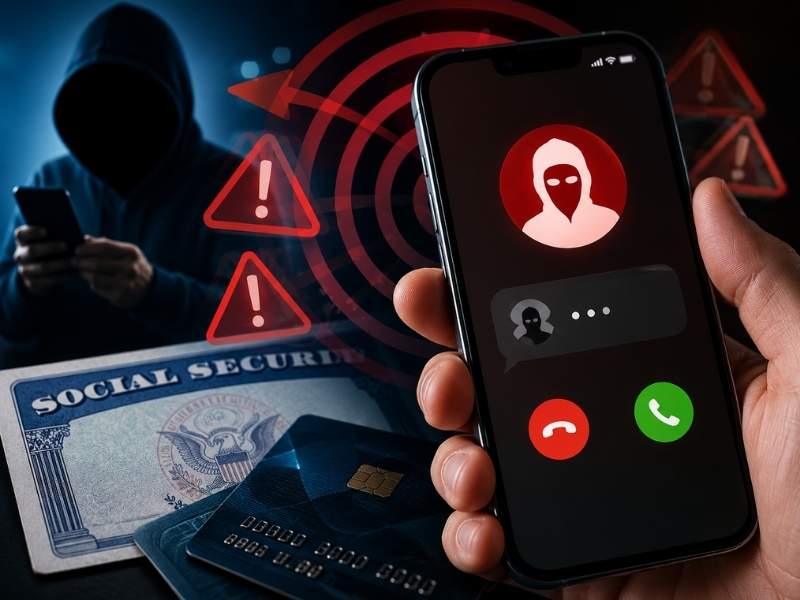
Why your Social Security number stays valuable
Your Social Security number cannot be replaced like a credit card. When a thief opens an account with your SSN, birth date and address, canceling the account only fixes part of the problem. The stolen information can still be used again.
A bank can issue a new card number in days. However, the Social Security Administration assigns a different number only in limited cases and generally requires an in-person appointment. That means the information used in the first fraudulent application may still be available for the next one.
The next use may never appear on a card statement. A stolen SSN can be used to draw a paycheck under your name, file a tax return before you do or open a loan at a bank you have never used. Aura scans the dark web and more than 200 data broker and people-search sites for exposed SSNs, driver’s license numbers and email addresses. It can alert you when one appears, naming what was found and where.
Why credit checks can miss repeat identity theft
Most identity fraud involves a new account, such as a credit card, loan or financial account opened in your name at a company you have never used. The ITRC found in its 2026 report that more than a quarter of identity crime victims were managing two or more incidents at the same time, up from 23.5% the year before. The center says identity crimes have shifted from isolated events into more layered cases that can spread across multiple accounts and institutions.
That is why an occasional credit check can fall short. A report you pull every few months may miss an account opened the week after you looked. Aura monitors all three major credit bureaus and can alert you within minutes of a new account or hard inquiry reported to your file, whether or not a freeze is in place. A second fraudulent application months later can trigger another alert.

How to avoid money recovery scams
Before you trust anyone promising to get your money back, look for these warning signs and take these steps to protect yourself from being scammed again.
1) Do not pay upfront recovery fees
Do not pay anyone upfront to recover your money. The FTC says real government agencies and legitimate organizations never charge you a fee to recover lost money. They also never ask for your bank account number or Social Security number to do it.
2) Watch for risky payment requests
Scammers often tell you to pay by gift card, cryptocurrency, wire transfer or a payment app. No legitimate refund process works that way.
3) Be careful when a caller knows your loss amount
A caller who knows exactly what you lost and how much may have bought that information from a list. Scammers use those details to sound official and make you feel like the call must be real.
4) Avoid Telegram, WhatsApp and remote access requests
Fake recovery firms may steer you to Telegram or WhatsApp, then ask for your email and phone number before explaining any real service. Some may also ask you to install remote access software or share a verification code. Do not do either one.
5) Search results can be manipulated
Bogus recovery firms often plant testimonials, websites and press releases that rank high in search results. That means a company name you find online still needs to be checked through official sources.
6) Verify restitution through official channels
Real restitution usually comes through official channels. Look up the agency yourself and call its published number. Never use the number from an unverified message.
7) Report the recovery scam
If someone contacts you with a suspicious recovery offer, report it to the FTC at ReportFraud.ftc.gov. If the scam involves cryptocurrency, a fake law firm or online fraud, report it to the FBI’s Internet Crime Complaint Center at IC3.gov.
8) Identity theft help can reduce the burden
The credit monitoring offered free after a breach runs about a year, but the records stolen in it stay usable long after the alerts stop. A leaked SSN does not expire on the same schedule.
If you’re an Aura member at the time of fraud, Aura assigns a U.S.-based fraud resolution specialist who works with you, the creditors, and all three bureaus on each case, with up to $1 million in identity theft insurance per adult for eligible recovery costs.
Exclusive CyberGuy deal: Save up to 68% today. Get Aura’s award-winning identity theft protection and credit monitoring for as low as $9/month when billed annually.
No service can prevent every account opened in your name. Continuous three-bureau monitoring may alert you to new accounts as they’re reported, not weeks later when a lender turns you down, or a collections notice arrives.
Related Links:
- Why physical ID theft is harder to fix than credit card fraud
- Identity theft losses surge 70% for older Americans
- Google dropped dark web monitoring: Should you care?
Kurt’s key takeaways
Being scammed once can put you on a list that follows you long after the first fraud ends. The next scam may come with details that sound personal, accurate and convincing. But that does not make the caller, texter or so-called recovery firm legitimate. The smartest move is to slow everything down. Never pay upfront to recover stolen money. Never trust a number or link sent by someone who contacted you out of the blue. Also, keep watching your credit, your Social Security number and your personal information because stolen data can resurface months or even years later.
Have you ever been contacted by someone claiming they could recover money after a scam? Let us know in the comments below.
FOR MORE OF MY TECH TIPS & SECURITY ALERTS, SUBSCRIBE TO MY FREE CYBERGUY REPORT NEWSLETTER HERE
This article was created in partnership with Aura
Copyright 2026 CyberGuy.com. All rights reserved. CyberGuy.com articles and content may contain affiliate links that earn a commission when purchases are made.