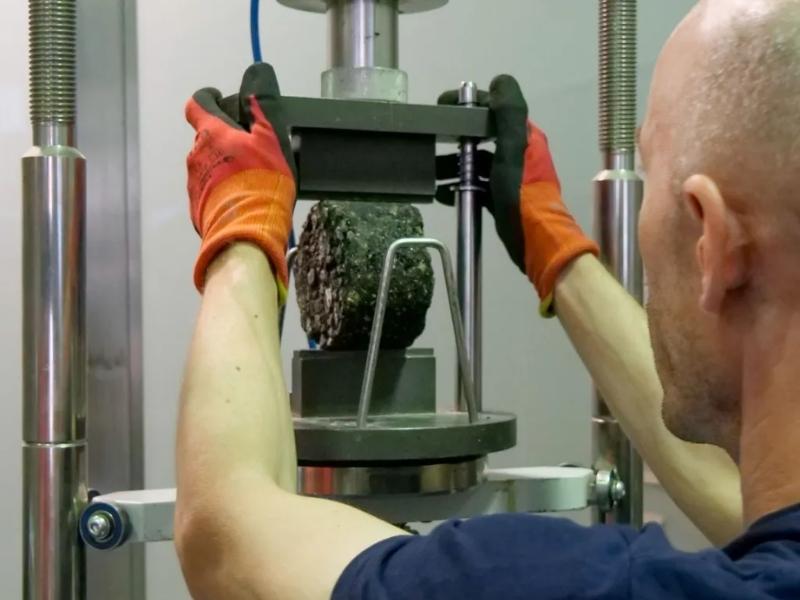



Cigarette butts are the most littered item on the planet. People toss out an estimated 4.5 trillion cigarette butts each year, and that number may double by the end of 2025 as e-cigarette use grows. These small, toxic waste items pollute city streets, beaches, and waterways. They also take years to break down.
But that may be starting to change. Scientists have developed a way to recycle cigarette butts into asphalt, creating roads that are both stronger and more sustainable. Research teams from the University of Granada in Spain and the University of Bologna in Italy have studied the process closely, highlighting its potential to improve road performance while cutting down on waste.
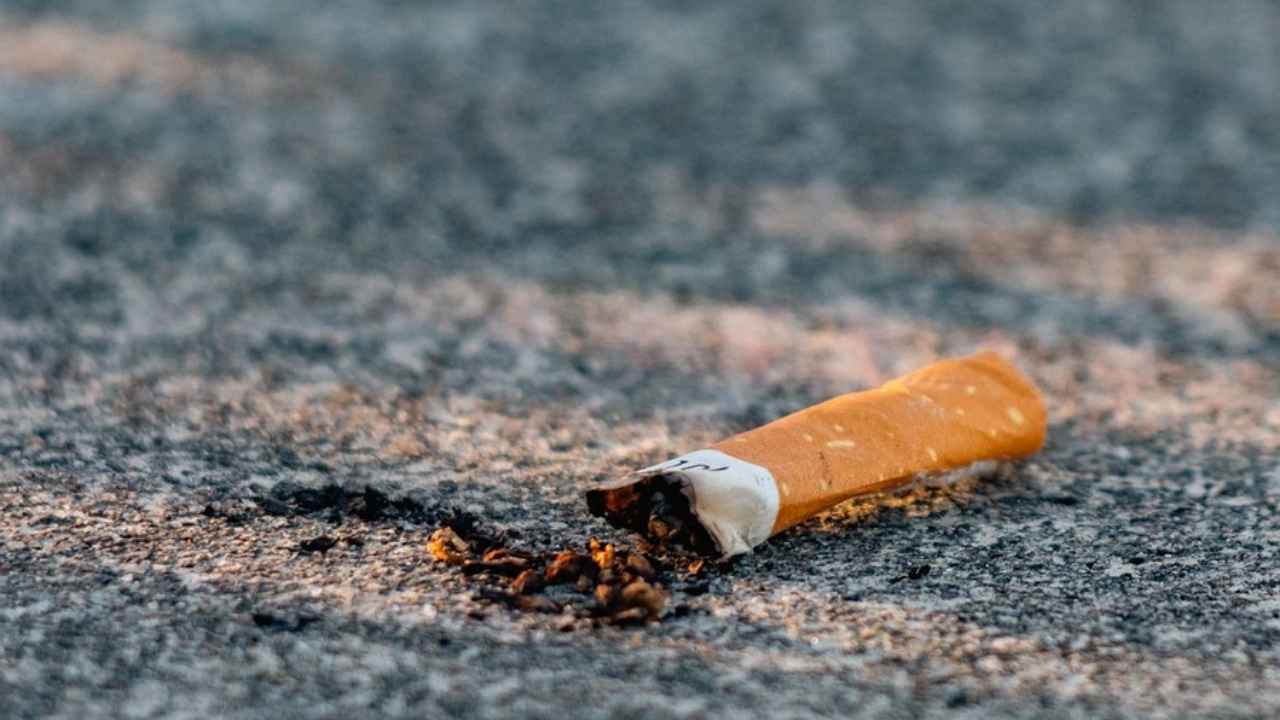
Why cigarette butts make a good asphalt additive
Modern road construction often relies on additives to improve the strength and flexibility of asphalt. Some road-building materials already use cellulose fibers like those found in cigarette filters. That sparked the idea to take used butts, clean them up, and put them to work.
E-cigarette filters are especially promising. They are longer and packed with fibers like cellulose and polylactic acid (PLA) fibers, making them ideal for reinforcing asphalt.
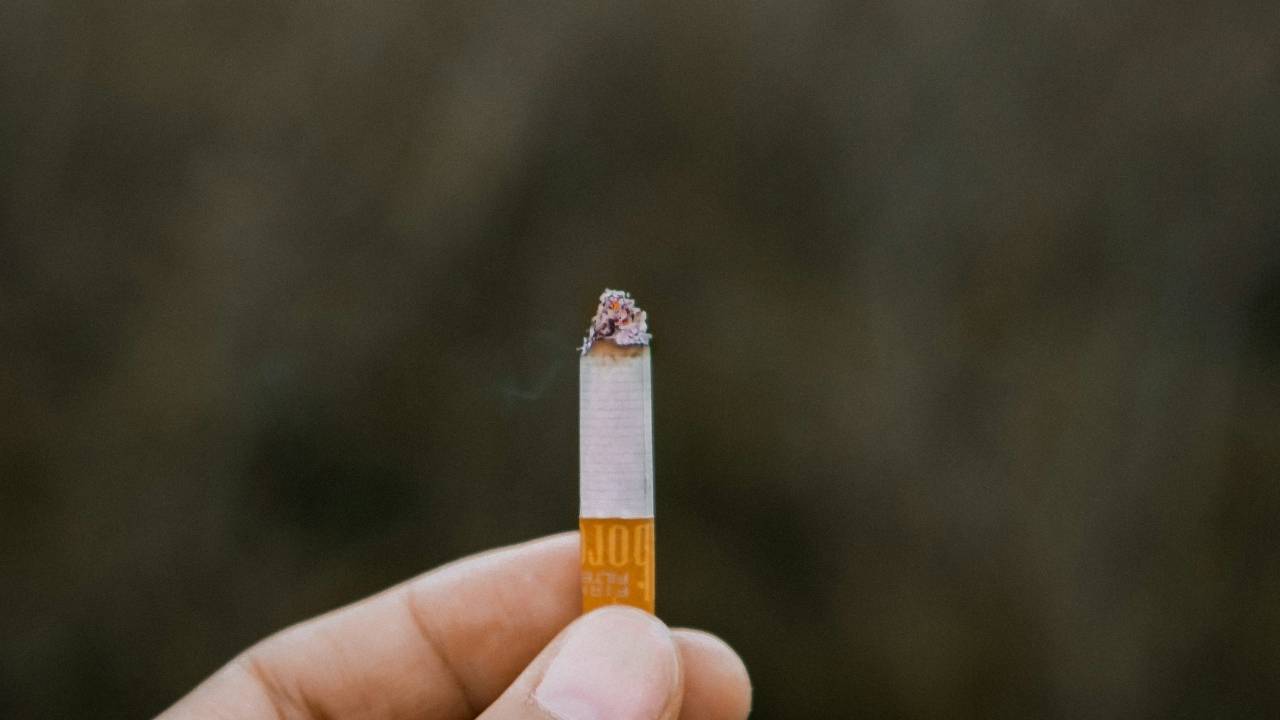
How cigarette butts are recycled into road material
The recycling process involves several steps:
1) Collecting and sorting: Filters from traditional and e-cigarettes go through a collection and cleaning process. Ash and residue are removed, leaving behind usable fiber material.
2) Shredding and mixing: Machines shred the cleaned fibers and combine them with synthetic hydrocarbon wax, which serves as a binder.
3) Pellet formation: The blended material is pressed, heated, and cut into small pellets that can be easily stored and transported.
4) Asphalt integration: These pellets are added to reclaimed asphalt and bitumen. During heating, the pellets melt and release reinforcing fibers that strengthen the final asphalt mix.
Up to 40% of the final road material can come from these recycled components.
Stronger roads and a cleaner planet thanks to cigarette butt recycling
Recycled cigarette butts make asphalt stronger, more flexible, and longer-lasting. The fibers released during mixing act like micro reinforcement, improving fatigue resistance and helping roads withstand heavy traffic and temperature changes. The wax in the pellets lowers the temperature needed to mix asphalt, reducing both energy use and emissions during production. Beyond performance, this method gives cigarette waste a second life. By repurposing billions of discarded filters, cities can reduce litter and pollution while building more sustainable infrastructure.
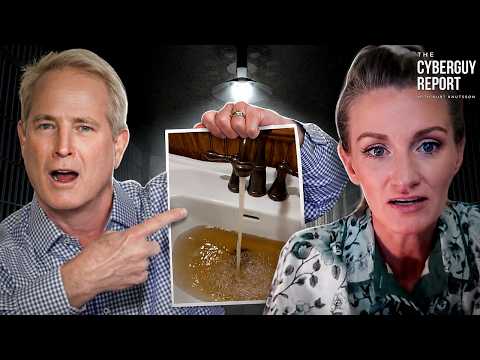
A Texas mom says she spent the night in jail after speaking up online about dirty water in her town. The case was later dropped, but her story raises a troubling question: could something you post online ever put you at risk?
Missed this event? Sign up via the registration form and see our live recording.
See Kurt’s 2026 picks for practical tech and everyday upgrades.
What cities are doing next with recycled cigarette butts
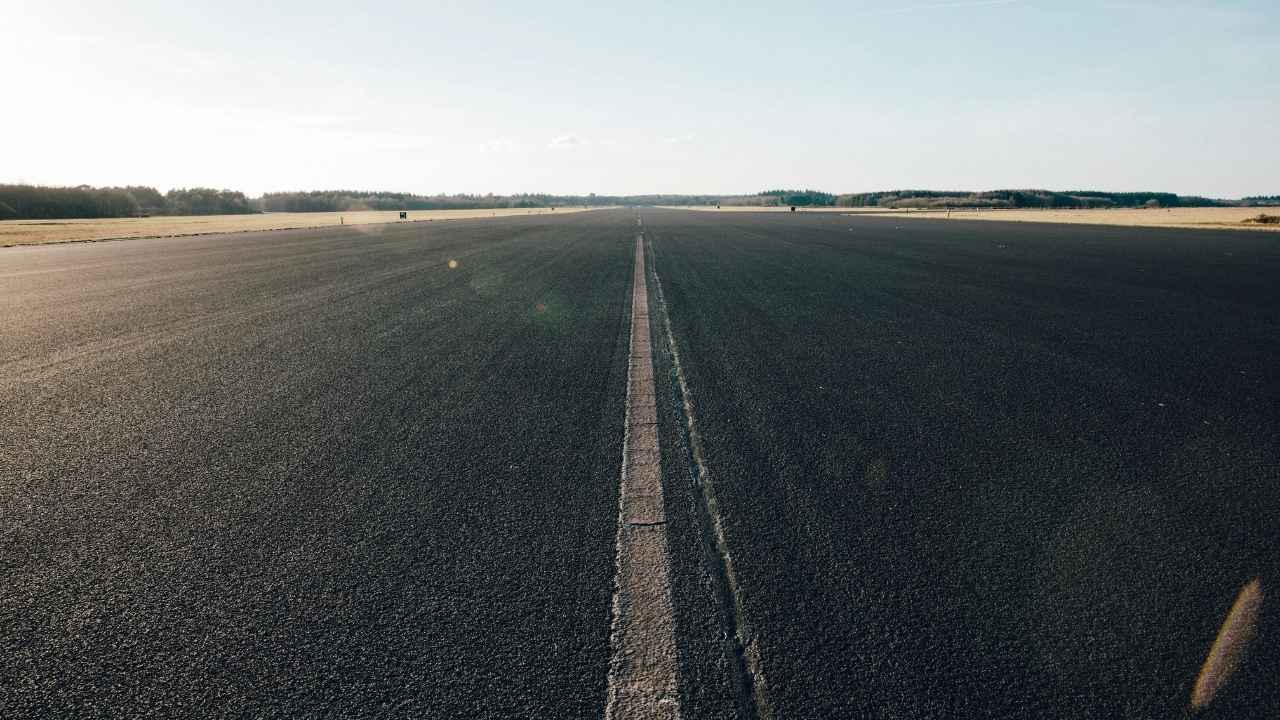
This technique is still emerging, but interest is growing worldwide. In Bratislava, Slovakia, city officials have already started collecting cigarette butts specifically for road construction. One road built with this recycled asphalt is already in use, setting an example for other cities to follow.
As more pilot projects roll out and awareness spreads, cigarette butts could shift from toxic litter to a valuable resource in sustainable infrastructure.
Related links:
- Marshmallow concrete improves chances of surviving crash landing
- Bricks made from recycled coffee grounds reduce emissions and costs
- World’s first hybrid solar cargo ship launches in Germany
Kurt’s key takeaway
Recycling cigarette butts into asphalt solves two problems at once. It clears toxic waste from public spaces and makes roads that last longer. This approach turns one of the world’s most common pollutants into a valuable construction material. As more cities explore cleaner, smarter infrastructure, this kind of solution could play a big role in the future of street design.
Would you support roads built with recycled cigarette butts in your city? Share your thoughts in the comments below.
FOR MORE OF MY TECH TIPS & SECURITY ALERTS, SUBSCRIBE TO MY FREE CYBERGUY REPORT NEWSLETTER HERE
Copyright 2025 CyberGuy.com. All rights reserved. CyberGuy.com articles and content may contain affiliate links that earn a commission when purchases are made.
🎙 Now Streaming: My New Podcast: The CyberGuy Report
Kurt’s Top Deals
Deals move fast and inventory can be limited, so don’t wait too long.
| 🔥 Editor’s pick  Summer entertaining Ninja SLUSHi Machine (26% off) Frozen drinks and slushies at home in minutes. | |
| 💰 Top deal 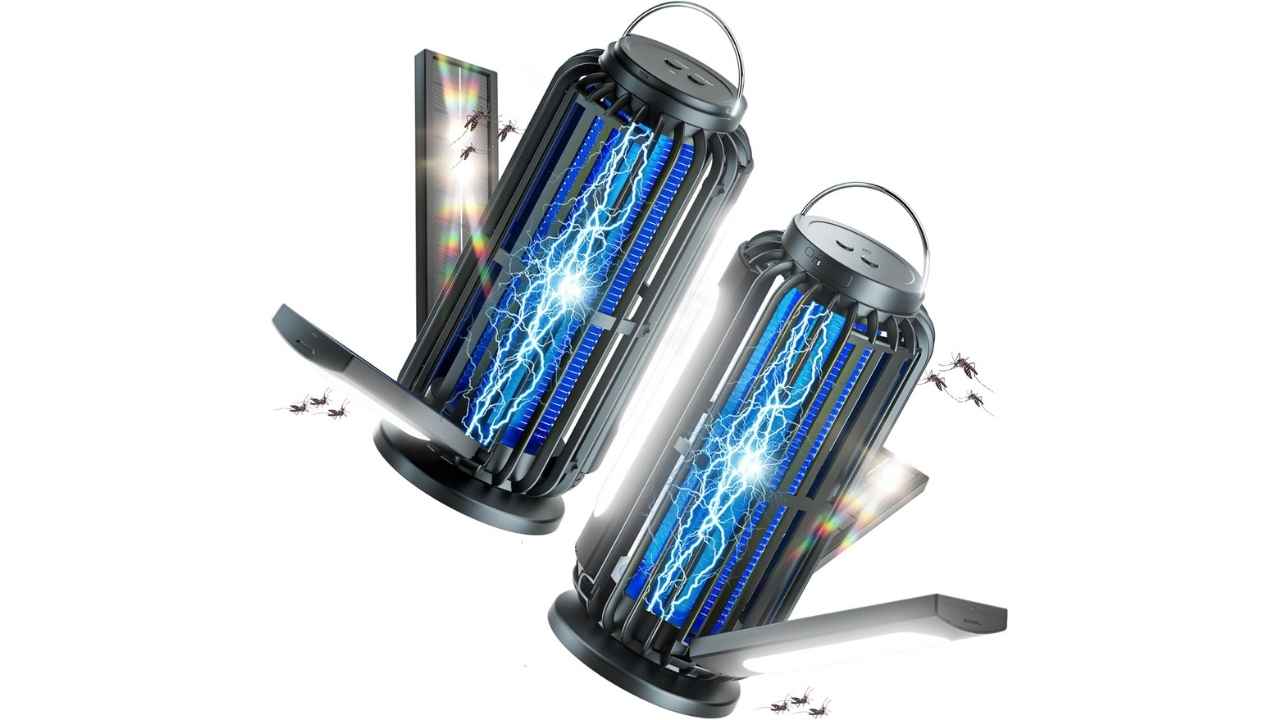 Outdoor essential TYPEC Solar Bug Zapper (36% off) Solar-powered bug zappers for patios and camping. |