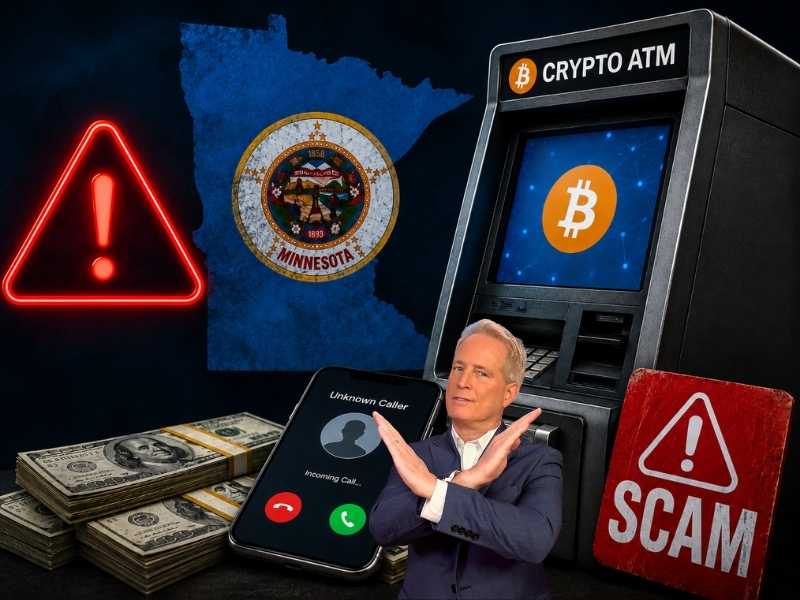



- Minnesota is banning crypto ATMs after scam losses tied to the machines reportedly neared $1 million.
- Scammers use the kiosks to turn fear, cash and urgent phone calls into fast crypto payments.
- Once cash becomes cryptocurrency, victims often have little chance of getting their money back.
- If someone demands crypto or tells you to stay on the phone, hang up and verify the story.
Minnesota is banning crypto ATMs after scammers reportedly used the machines to drain nearly $1 million from residents over the past few years. The machines, also called cryptocurrency kiosks, let people turn cash into digital currency quickly. That speed has made them a favorite tool for criminals who pressure victims during fake emergencies, legal threats and romance scams.
The ban takes effect Aug. 1, 2026. Operators must remove publicly accessible machines by the end of the year. State officials say scammers have used these kiosks to turn panic into payments. A victim gets a frightening call, heads to a machine and sends cash before anyone has time to step in.
That quick window is exactly what criminals count on and what Minnesota wants to stop.
Minnesota crypto ATM ban targets fast-moving scams
Between 2023 and 2025, Minnesota logged 134 complaints involving crypto kiosk scams. Reported losses came close to $1 million. In 2025 alone, the state reportedly saw 70 cases and more than $540,000 in losses. Those numbers likely tell only part of the story. Many victims never report what happened. Some feel embarrassed. Others worry their family will judge them. Scammers know that silence helps them move on to the next target.
Minnesota had already tried adding safeguards to these machines. The state required warnings, limits and consumer protections. Yet law enforcement officials said scammers adjusted. They stayed on the phone with victims, coached them through the screens and told them what to say if anyone asked questions. Now, Minnesota is taking a much stronger step by removing the machines from public use.
Why crypto ATM scams are so hard to undo
Crypto kiosks create a dangerous mix for scam victims. They accept cash, move money quickly and usually leave very little room for recovery once the transaction goes through. With a bank transfer or credit card payment, there may be some chance to pause, dispute or trace the money. Crypto works differently. Once the digital currency leaves the wallet, the transfer can move across borders or through multiple wallets before anyone knows what happened.
That leaves victims in a brutal position. They may realize the call was fake only minutes after sending the money. By then, the cash has already been converted to crypto, and the scammer has likely moved it again. That is why scammers love these machines. They do not need to hack your bank account. They only need to scare you enough to follow their instructions.
How crypto ATM scams trap victims
Most crypto ATM scams begin with pressure. The caller may claim you missed jury duty and face arrest. Another scammer may pretend your grandchild caused an accident and needs bail money. Someone posing as a bank employee may say your account is under attack and your money needs to be “protected.” The story changes, but the pressure feels the same. The scammer wants you scared, rushed and alone.
Then comes the payment demand. You may be told to withdraw cash and drive to a nearby crypto kiosk. The scammer may text you a QR code or wallet address. They may stay on the phone the entire time and tell you to ignore warnings on the screen. That last part is key. Many victims do see alerts. They still move forward because the scammer has created fear and urgency. In that moment, the warning on the machine has to compete with someone shouting that a loved one is in trouble or that police are on the way.
Real crypto scam cases show how fast money can disappear
We have seen this pattern before. The scam starts with a believable story, then the pressure builds until the victim feels there is no time to think.
Gail Barr lost $9,260 after scammers convinced her she had missed jury duty. They sent her to a Bitcoin ATM inside a convenience store and kept her on the phone while she followed their instructions. Thankfully, a bank manager later helped stop the scam from getting worse.
Then there was the 85-year-old man who lost $200,000 after a fake PayPal refund scheme pulled him into a much bigger trap. What began as a $10,000 crypto ATM transfer eventually turned into gold coins handed to a courier.
A Texas mom says she spent the night in jail after speaking up online about dirty water in her town. The case was later dropped, but her story raises a troubling question: could something you post online ever put you at risk?

Missed this event? Sign up via the registration form and see our live recording.
See Kurt’s 2026 picks for practical tech and everyday upgrades.
And in another scam, Joe Allen, a disabled man from Connecticut, shared how he lost more than $300,000 in a cryptocurrency investment scam. His story shows how criminals keep working someone once they sense fear, trust or isolation.
That is what makes these scams so dangerous. Most victims do not start out thinking they are sending money to a criminal. They believe they are solving a crisis, protecting their account or helping someone they care about. By the time the truth sinks in, the money may already be gone.
Crypto ATM scam losses are rising nationwide
Minnesota is hardly alone. The FBI says its Internet Crime Complaint Center received more than 13,400 complaints in 2025 involving cryptocurrency kiosks. Reported losses topped $388 million. More than half of those complaints involved people over 50, with losses above $302 million.
That age pattern should make every family pay attention. Older adults may have savings. They may answer calls from unknown numbers more often. They may also have a deep instinct to help a child or grandchild in trouble. Scammers weaponize that instinct.
The machine is only one part of the scam. The real attack happens in the victim’s head. Once fear takes over, even careful people can make a decision they would never make on a calm day.
Minnesota’s crypto ATM ban could influence other states
Minnesota is drawing a line in the sand around one part of the crypto world that has become a real problem for scam victims: the public kiosk. People in the state will still be able to use regulated online platforms to buy and sell cryptocurrency. What is going away are the machines that let a frightened person walk into a store, feed in cash and send crypto while a scammer talks them through every tap.
Other states will likely be watching what happens next. If Minnesota’s ban cuts down on reported losses, lawmakers elsewhere may face more pressure to take a closer look at crypto kiosks in gas stations, convenience stores and shopping centers.
Supporters of the ban say that matters because these kiosks have become too easy for criminals to abuse. Critics say the machines have legitimate uses, and scammers will simply move to another payment method. That may be true. Scammers always look for the next opening. But Minnesota is betting that removing one of the fastest cash-to-crypto routes will slow the scam down enough for some victims to stop, question the story and keep their money.
Tips to avoid crypto ATM scams
The best way to protect yourself is to slow the moment down before fear turns into a payment you cannot easily reverse.
1) Hang up when someone demands crypto
No real police department, court, government agency or bank will demand payment through a crypto ATM. A legitimate company will not tell you to protect your account by feeding cash into a kiosk. If someone demands crypto, end the call. Do not debate. Do not explain. Hang up and contact the person or agency through a number you find yourself.
2) Verify the emergency before sending money
Scammers often claim a loved one is hurt, arrested or stranded. That story is designed to short-circuit your judgment. Call the person directly. If they do not answer, call another family member. A few minutes of checking can save thousands of dollars. A family code word can also help. Pick a phrase that would never appear on social media. If someone claims to be a loved one in trouble, ask for the code word before you do anything.
3) Reduce the personal info scammers can use against you
Scammers often sound convincing because they already know something about you or your family. That information can come from people-search sites, data brokers, old breaches or public records. Consider using a data removal service such as Incogni to reduce how much personal information is floating around online.
Exclusive Deal for CyberGuy Readers (60% off): Incogni offers a 30-day, money-back guarantee and applies a special CyberGuy discount to all annual plans, for as low as $6.39/month for one person (billed annually) or $13.19/month for your family (up to 5 people) on their annual plan.
I strongly recommend the family plan. Here's why: the scam that starts with a Google search of your name almost always ends with a call to you, your elderly parent or a text to your adult child. Protecting yourself without protecting the people around you is half a solution. At $2.64 per person per month, the family plan covers up to five people, and the people most likely to be the final target are often the ones who'd never think to protect themselves.
Get Incogni and remove your info
4) Watch for coaching at the machine
If someone tells you what to tap, what to ignore or what to say if a clerk asks questions, you are likely in the middle of a scam. That coaching is a major red flag. Scammers know store employees and bank workers may spot the danger. So they prepare victims with cover stories before anyone can intervene.
5) Use strong antivirus software to block scam links
Some crypto scams start with a fake support page, phishing link or malicious download. Strong antivirus software can help block dangerous sites and files before they pull you into a scam.
6) Talk to your bank before withdrawing cash
Large cash withdrawals should trigger a pause. Tell your bank what happened before you leave with the money. Bank employees see these scams often. In some cases, one question from a teller or manager can break through the fear and stop the loss.
7) Consider identity theft protection after a scam
If you have already sent money or shared sensitive information, identity theft protection can help monitor for new account fraud and alert you to suspicious activity.
8) Report the scam quickly
If you sent money through a crypto kiosk, report it right away. Contact local police, your state consumer protection office and the FBI’s Internet Crime Complaint Center at IC3.gov. The FBI says IC3 is its main intake form for cyber-enabled fraud and scams, even if you are unsure whether your complaint qualifies. Fast reporting may help investigators spot patterns and warn others before the same scam hits another family.
Related Links:
- 6 Crypto Scam scripts criminals use to steal your money
- Fake Google Gemini AI pushes ‘Google Coin’ crypto scam
- Malicious Mac extensions steal crypto wallets and passwords
Kurt’s key takeaways
Minnesota’s crypto ATM ban gets at something every family should be paying attention to. These scams move fast because they are built around fear. One scary phone call, one trip to a kiosk and money that took years to save can be gone in minutes. That to me is the part that hits hardest. Most victims do not think they are sending money to a criminal. They think they are helping a loved one, avoiding arrest or protecting their bank account. So here is the takeaway. If someone tells you to send crypto, keep it secret or stay on the phone while you move money, stop right there. Hang up, call someone you trust and verify the story before fear makes the decision for you.
Would you support a crypto ATM ban in your state, or should people still have access to the machines with stronger safeguards? Let us know your thoughts in the comments below.
FOR MORE OF MY TECH TIPS & SECURITY ALERTS, SUBSCRIBE TO MY FREE CYBERGUY REPORT NEWSLETTER HERE
Copyright 2026 CyberGuy.com. All rights reserved. CyberGuy.com articles and content may contain affiliate links that earn a commission when purchases are made.
🎙 Now Streaming: My New Podcast: The CyberGuy Report
Kurt’s Top Deals
Deals move fast and inventory can be limited, so don’t wait too long.
| 🔥 Editor’s pick  Summer entertaining Ninja SLUSHi Machine (26% off) Frozen drinks and slushies at home in minutes. | |
| 💰 Top deal 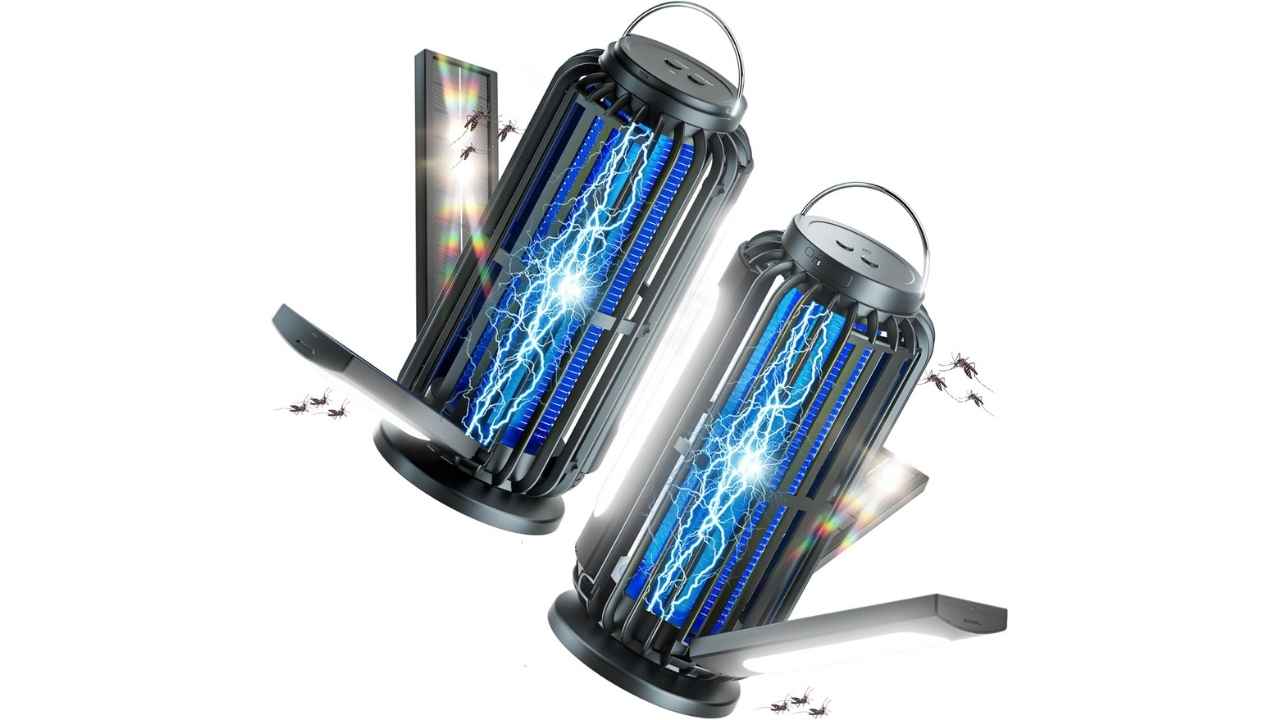 Outdoor essential TYPEC Solar Bug Zapper (36% off) Solar-powered bug zappers for patios and camping. |