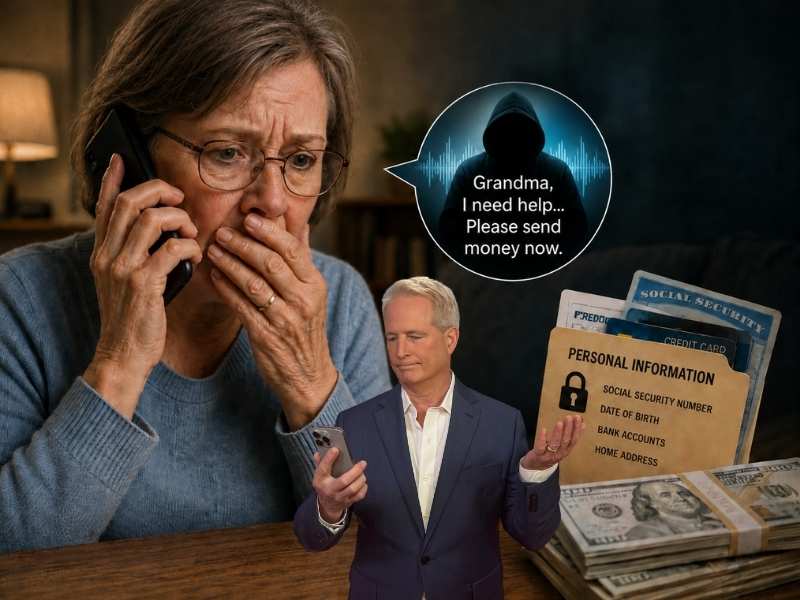



- Grandparent scams use fear, urgency and even AI-cloned voices to trick older adults into sending money fast.
- Older Americans are frequent targets because they often have more assets and the personal data scammers need to impersonate them.
- Many fraud losses go unreported, which means the real financial damage is likely far higher than official complaint totals show.
- Trusted contacts, call verification, and Social Security account blocks can help families catch fraud before more money disappears.
The FBI calls it a “distress scam.” It is also known as a grandparent scam. The scam works by making an older adult believe a grandchild is in serious trouble and needs money right away, often before a court date or legal deadline. Victims reported more than $5 million in losses to this type of fraud in 2025. The FBI’s Internet Crime Complaint Center also noted that reported losses likely show only part of what scammers actually stole.
The Federal Trade Commission found in August 2025 that some of the fastest-growing scams targeting older adults use fear and urgency to override good judgment. A caller may claim your bank account was hacked and say you need to move your money immediately to protect it. However, the money does not move to safety. It goes straight to the scammer.
AI voice-cloning tools have made these scams even more convincing. Scammers can use a birthday video, voicemail or social media clip to mimic a grandchild’s voice. Then they place the call. The voice sounds familiar, the emergency feels real and the request for bail money seems urgent. The FBI counted $352 million in AI-related scam losses among victims 60 and older this past year.

What makes grandparents worth targeting
The same three pieces of data are required for identity verification at most banks, brokerages, pension recordkeepers, and Medicare: date of birth, last four digits of a Social Security number, and a current mailing address. For most people in their sixties and seventies, all of those accounts are open.
Those three fields have turned up in breach after breach. The Conduent Business Services breach pulled names, SSNs, dates of birth, and home addresses for more than 25 million Americans from systems that process Medicaid records and employer health plans. Texas Attorney General Ken Paxton called it the largest data breach in U.S. history in February 2026.
Americans between 65 and 74 held a median net worth of $409,900 in 2022, according to the Federal Reserve’s Survey of Consumer Finances, more than ten times the median for adults under 35. The FBI found average losses of approximately $38,500 per victim among Americans 60 and older in 2025, nearly double the figure for younger filers.
Why elder fraud losses are often underreported
Older adults reported $2.4 billion in fraud losses to the Federal Trade Commission in 2024. However, the FTC’s December 2025 report to Congress estimated that real losses may have reached $81.5 billion that year. Most cases likely went unreported.
That gap makes identity theft harder to stop. A fraudulent wire from a pension account may never alert a bank. A new credit account opened with stolen information may not reach the victim until it appears on a credit report. By then, weeks may have passed since the application was approved.

Account protections worth setting up
Scammers move fast, so it helps to set up account protections before anything goes wrong. These steps can give banks, brokerage firms and family members more ways to spot trouble early.
1) Add a trusted contact to brokerage accounts
Brokerage accounts have a protection option many account holders never activate: a trusted contact designation. Under FINRA Rule 4512, brokerage firms must ask for a trusted contact when you open or update an account. A trusted contact can be a family member, attorney or accountant. The firm can contact that person if it suspects financial exploitation or cannot reach you. However, that person cannot trade, withdraw funds or view your account balances. FINRA, the SEC and the North American Securities Administrators Association asked investors in August 2025 to contact their firm and add one. You can name more than one trusted contact. You can also change the designation at any time.
2) Ask about holds on suspicious withdrawals
Under FINRA Rule 2165, brokerage firms can place a temporary hold on disbursements when they reasonably believe financial exploitation may be happening. That hold can last up to 55 business days. In January 2026, FINRA proposed extending the window to 145 business days. Ask any firm holding a pension, brokerage or annuity account about its policy on disbursements after an address change.
3) Verify urgent calls before sending money
When a caller claims a grandchild is in trouble or a federal agent needs immediate action, hang up. Then call back using a number you already have, not the number in the message. The FTC found that 41% of older adults who reported losing $10,000 or more to impersonation scams in 2024 said a phone call was the initial point of contact. That makes one simple habit especially important: verify the story before you act.
4) Block online changes to Social Security
Social Security lets you block electronic and automated telephone access to your account record. Once blocked, no one can change your direct deposit information or mailing address online or through the automated phone system. After that, any changes must go through a live SSA representative at 1-800-772-1213 or a field office visit. FINRA also operates a free Securities Helpline for Seniors at 844-574-3577, Monday through Friday, 9 a.m. to 5 p.m. ET.

Identity theft recovery is harder on your own
Even strong account protections may not catch every scam attempt. That is why identity theft monitoring and recovery support can help families respond faster when personal information gets exposed or misused.
Aura monitors dark web marketplaces and more than 200 data broker and people-search sites for exposed SSNs, addresses, and personally identifiable information. If fraud happens, Aura assigns a U.S.-based fraud resolution specialist who contacts creditors, files disputes with all three credit bureaus, and handles the documentation. Plans include identity theft insurance of up to $1 million per adult for eligible recovery costs, including lost wages and legal fees.
Exclusive CyberGuy deal: Save up to 68% today. Get Aura’s award-winning identity theft protection and credit monitoring for as low as $9/month when billed annually.
No service prevents every misuse of an older adult’s identity. Family monitoring and fraud resolution together shorten the time between when theft happens and when you or someone in your family acts on it.
Exclusive CyberGuy deal: Save up to 68% today: Get Aura’s award-winning identity theft protection and credit monitoring for as low as $9/month when billed annually.
Related Links:
- Why physical ID theft is harder to fix than credit card fraud
- Identity theft losses surge 70% for older Americans
- Google dropped dark web monitoring: Should you care?
Kurt’s key takeaways
Grandparents have become a prime target because scammers know where the money is and how to create panic fast. A familiar voice, a stolen Social Security number or a fake emergency can turn one phone call into a devastating loss. The best defense starts before the call comes. Add trusted contacts to financial accounts, block online Social Security changes, verify urgent requests through a number you already know and talk openly with family about scam warning signs. Identity theft protection can also help spot exposed personal information and speed up recovery if fraud happens. No family can stop every scam attempt. However, a simple plan can give older adults more time, more backup and a better chance of keeping their money safe.
Is enough being done to stop scammers from using AI voices and stolen data to target grandparents? Let us know your thoughts in the comments below.
FOR MORE OF MY TECH TIPS & SECURITY ALERTS, SUBSCRIBE TO MY FREE CYBERGUY REPORT NEWSLETTER HERE
This article was created in partnership with Aura
Copyright 2026 CyberGuy.com. All rights reserved. CyberGuy.com articles and content may contain affiliate links that earn a commission when purchases are made.
🎙 Now Streaming: My New Podcast: The CyberGuy Report
Kurt’s Top Deals
Deals move fast and inventory can be limited, so don’t wait too long.
| 🔥 Editor’s pick  Summer entertaining Ninja SLUSHi Machine (26% off) Frozen drinks and slushies at home in minutes. | |
| 💰 Top deal 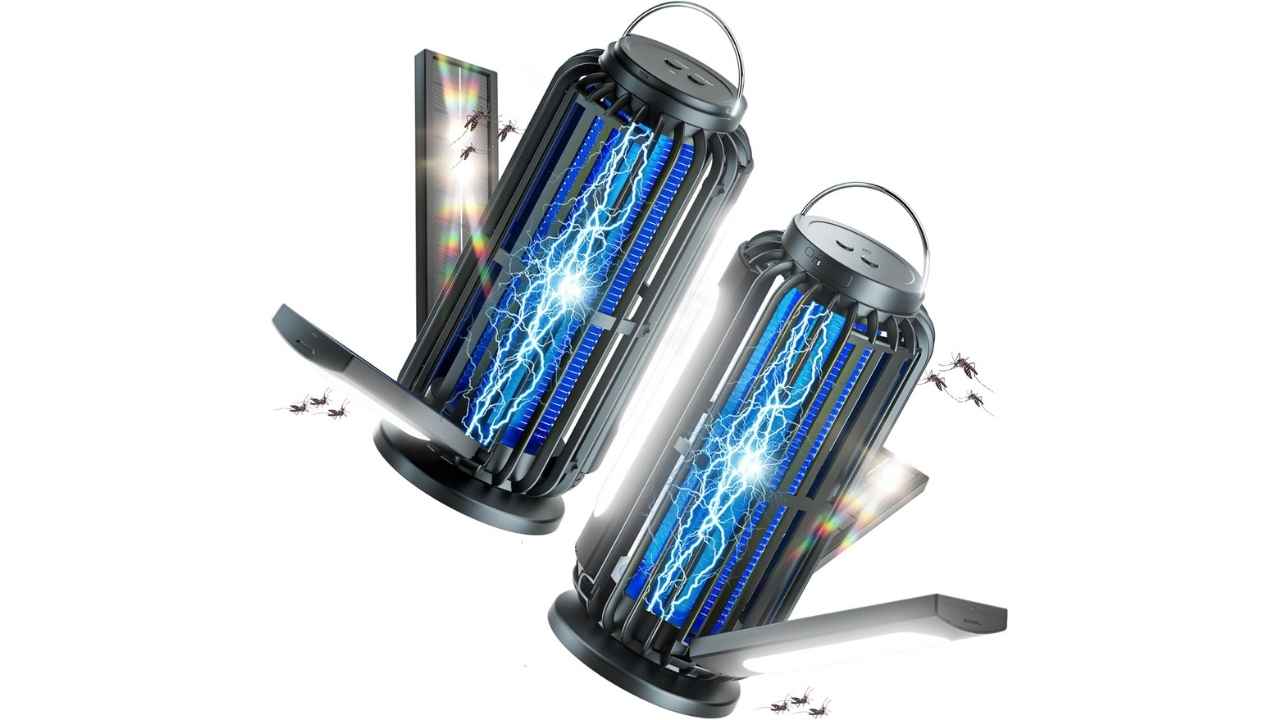 Outdoor essential TYPEC Solar Bug Zapper (36% off) Solar-powered bug zappers for patios and camping. |