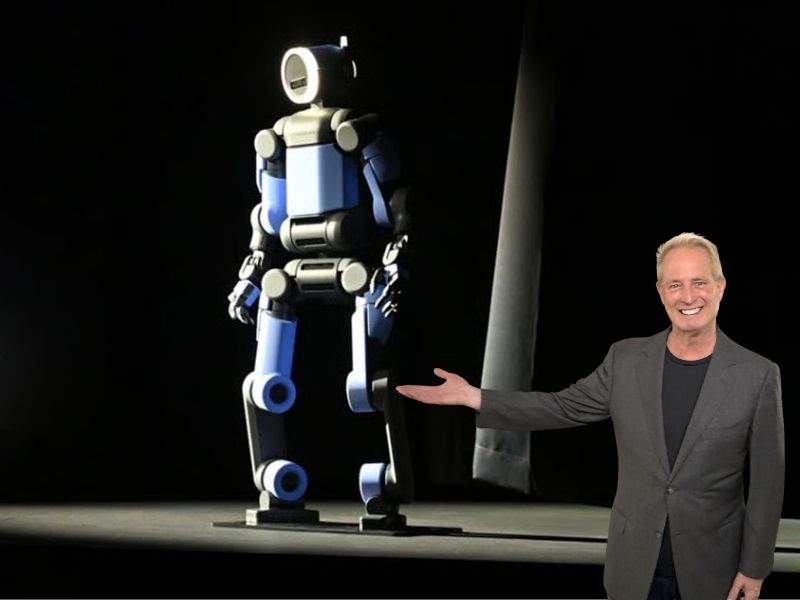



- Hyundai plans to send more than 25,000 Atlas humanoid robots to U.S. auto plants.
- The first major rollout is expected at Hyundai’s Georgia plant in 2028.
- Atlas can bend, lift and balance while handling heavy objects in factory-like settings.
- The plan could reshape auto jobs, factory safety and how future cars get built.
Hyundai wants to bring humanoid robots into American car factories in a big way. The company is looking at a future where Boston Dynamics’ Atlas robots work alongside people inside U.S. auto plants.
These human-shaped machines can bend, lift, balance and move through spaces built for workers. That could change how cars get made. It could also raise new questions about factory jobs, safety and how much automation consumers are willing to accept.
Here’s what Hyundai is planning and why Atlas could become one of the most closely watched robots in American manufacturing.
Credit: Hyundai
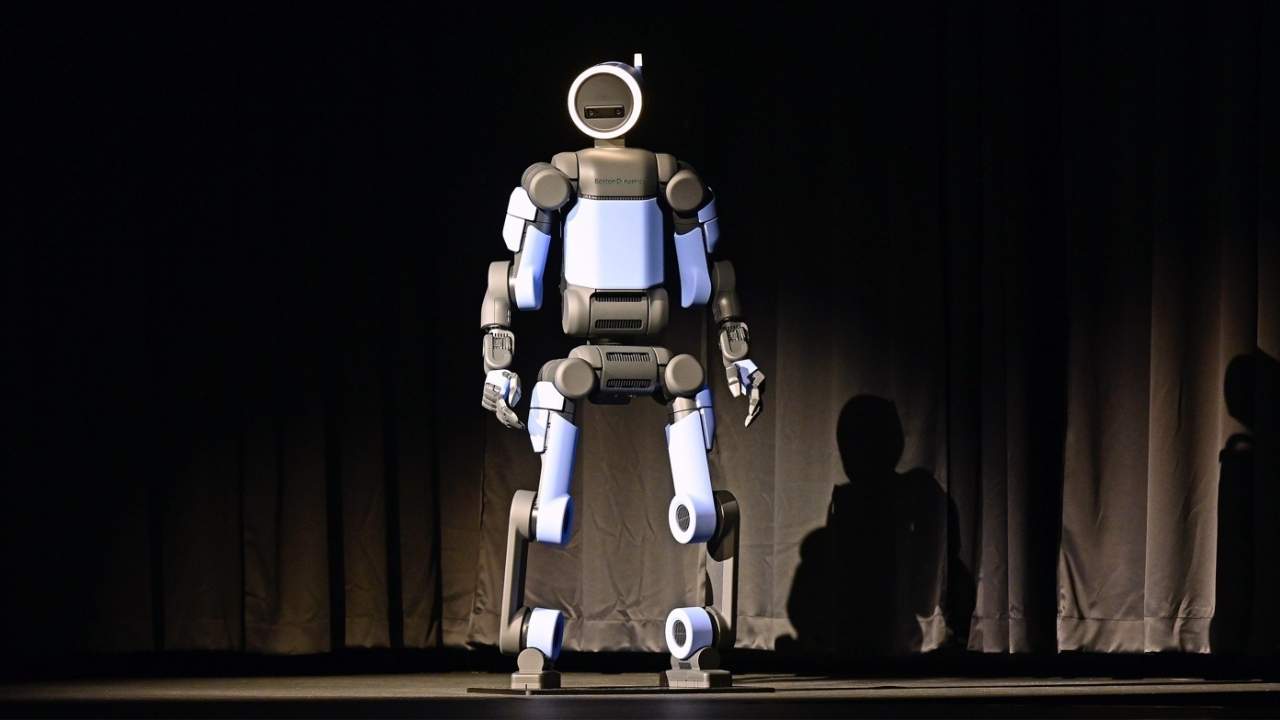
Hyundai Atlas robots are headed to U.S. factories
Hyundai Motor Group reportedly outlined plans to deploy more than 25,000 Atlas robots developed by Boston Dynamics across Hyundai Motor and Kia manufacturing facilities. The plan appeared in investor relations materials tied to a JPMorgan Chase-hosted session.
The company also plans to build annual production capacity for 30,000 Atlas robots by 2028. Hyundai has not released a detailed public schedule for every plant. However, Kia CEO Song Ho-sung said the robots are expected to begin work in 2028 at Hyundai Motor Group Metaplant America in Georgia. Kia’s Georgia plant would follow in 2029.
Why Hyundai wants Atlas humanoid robots
Hyundai faces the same pressures as other automakers. It needs faster production, flexible factories and better ways to handle labor shortages. Humanoid robots may help because they can work in areas designed for people. That can reduce the need to rebuild a factory from scratch.
Atlas could also help with physically demanding jobs. Lifting, carrying and moving awkward objects can wear down workers over time. If robots take on some of that work, factories could become safer. Still, this technology will need careful oversight. A humanoid robot working near people must move predictably and stop safely when something goes wrong.
Credit: Hyundai
How Boston Dynamics trained Atlas to lift
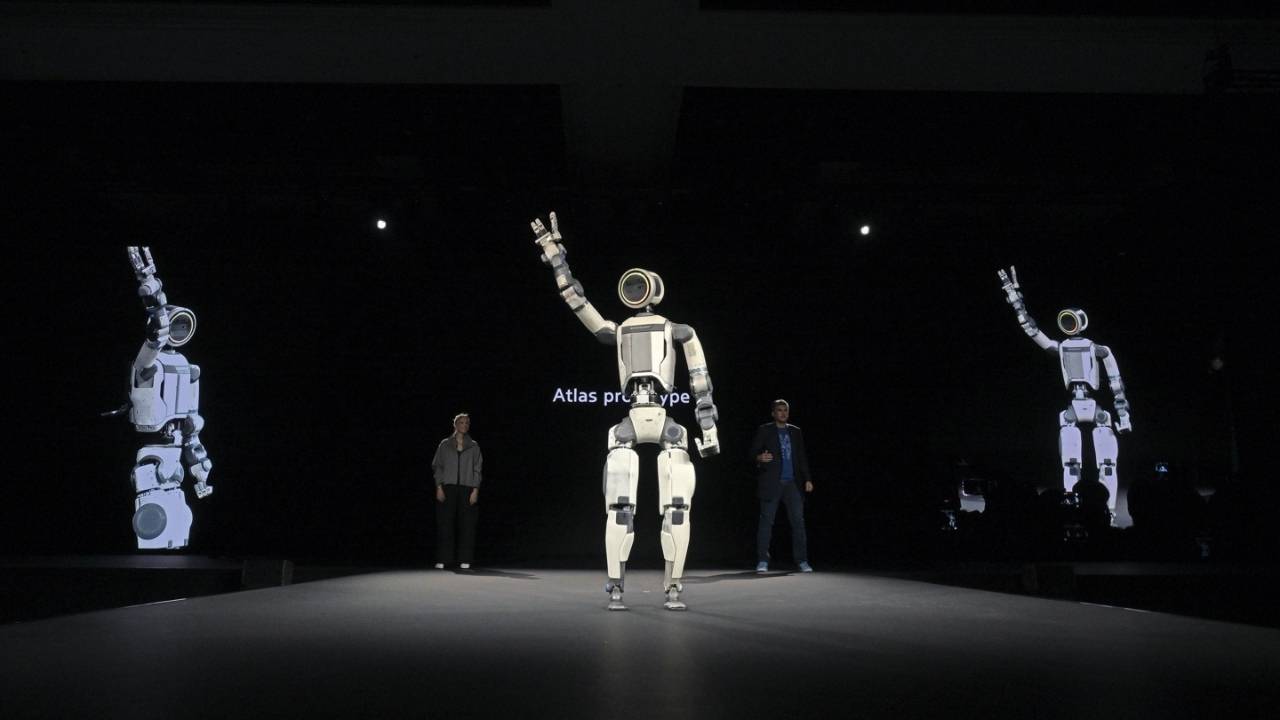
Boston Dynamics recently showed Atlas handling a heavy object in a new technical demo. The robot squatted down, picked up a mini-fridge, rotated its torso and carried the object while keeping its balance. The company says Atlas learned this behavior through reinforcement learning and simulation training. In simple terms, the robot practiced in a computer world before testing the skill in real life.
Engineers changed the object’s weight, floor friction, grip force and placement during training. That helped Atlas learn how to adapt when conditions changed. That is important because factory work rarely happens in perfect conditions. Parts shift. Floors vary. Workers move around. Loads can feel different from one moment to the next. Atlas needs to react in real time, not freeze when a task changes.
What makes Atlas different from older robots
Many robots rely heavily on cameras. Atlas also uses proprioception, which means internal body awareness. That may sound technical, but the idea is easy to understand. When you carry a grocery bag and the weight shifts, you feel it. Your body adjusts before you think about it.
Atlas uses sensors and software to do something similar. It monitors balance, grip pressure, resistance and body movement as it works. Boston Dynamics says the new Atlas platform also helps reduce the gap between simulation and real-world movement. The robot uses a simplified hardware design, symmetrical limbs and only two actuator types.
A Texas mom says she spent the night in jail after speaking up online about dirty water in her town. The case was later dropped, but her story raises a troubling question: could something you post online ever put you at risk?

Missed this event? Sign up via the registration form and see our live recording.
See Kurt’s Prime Day picks for useful gadgets, practical upgrades and everyday tech while the deals last.
Actuators are the robot’s joints and muscles. Hyundai reportedly plans to make more than 300,000 actuator units each year at U.S. facilities. That shows Hyundai wants control over the parts that make humanoid robots move.
Credit: Hyundai
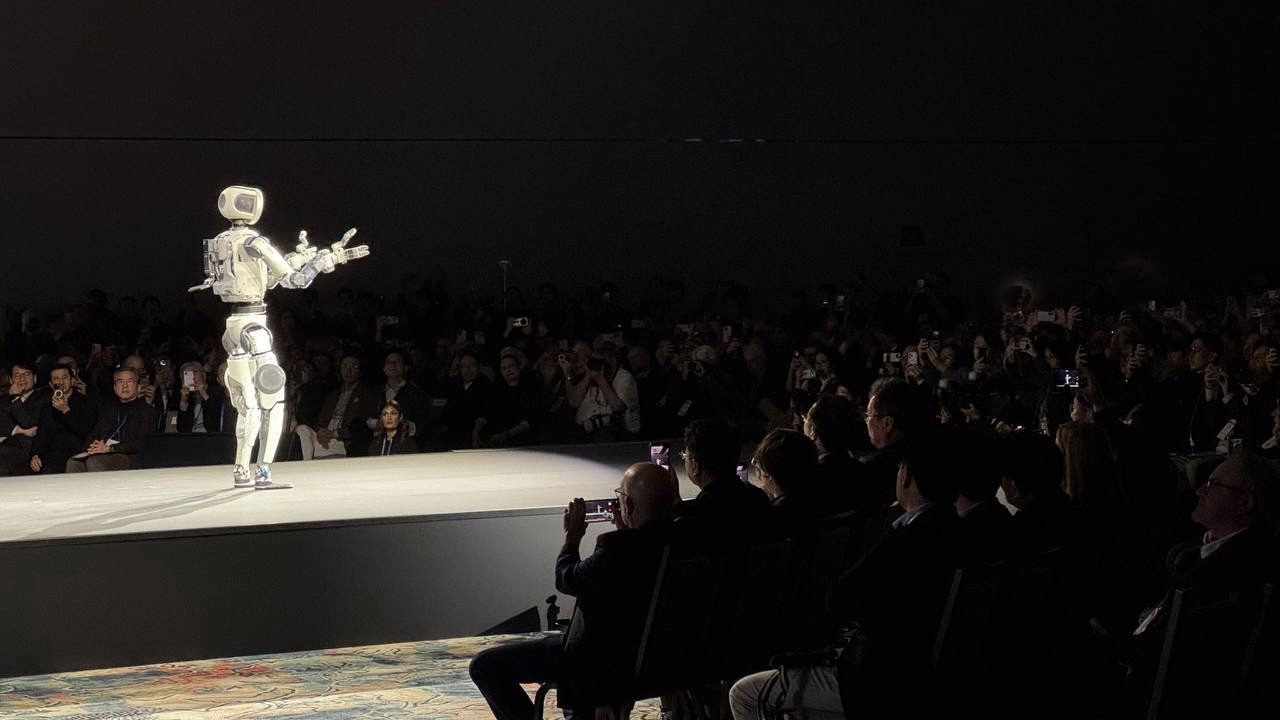
Hyundai Atlas robots raise job questions
The biggest concern is obvious. What happens to workers when thousands of humanoid robots enter factories? Companies often say robots will take on dull, dirty or dangerous tasks. That may be true in many cases. However, workers will still want clear answers about training, staffing and job security.
The rollout could create new roles in robotics maintenance, safety monitoring and factory software. It could also reduce the need for some physically demanding jobs over time. That trade-off will follow Hyundai’s robot plan closely. The company will need to show that Atlas improves factory safety and productivity without pushing workers aside without support. For now, Hyundai has not provided enough public detail to answer those workforce questions fully.
What this means to you
This story may sound like it only affects auto workers or car companies. But it could eventually touch anyone who buys a car. If humanoid robots help factories move faster, automakers may adjust production more quickly when demand changes. That could affect wait times for popular models.
Robot-assisted manufacturing could also influence vehicle costs. Automation can lower some production expenses, although savings do not always reach buyers right away. The bigger shift may be trust. Consumers may soon ask how much of their vehicle was built by humans and how much was handled by robots. That does not automatically make the car better or worse. But it does change the story behind how that car reached your driveway.
Related Links:
- Rideable robot looks ready to stomp all over us
- AI robot changes your tires and balances them too
- New AI brain lets robots move like humans
Kurt’s key takeaways
Hyundai’s plan to deploy more than 25,000 Atlas humanoid robots in the U.S. marks a major shift for auto manufacturing. This is one of the clearest signs yet that humanoid robots are moving from demos into real industrial work. The Georgia rollout will be especially important. If Atlas performs well at Hyundai and Kia facilities, other automakers may feel pressure to speed up their own robotics plans. Still, the hard part starts on the factory floor. Atlas must work safely around people, handle unpredictable tasks and prove it can do more than impress in videos. The technology is exciting. The job questions are real. Hyundai now has to prove that both can be managed responsibly.
Would you feel better buying a car built with help from humanoid robots, or would you wonder who got pushed off the factory floor? Let us know in the comments below.
FOR MORE OF MY TECH TIPS & SECURITY ALERTS, SUBSCRIBE TO MY FREE CYBERGUY REPORT NEWSLETTER HERE
Copyright 2026 CyberGuy.com. All rights reserved. CyberGuy.com articles and content may contain affiliate links that earn a commission when purchases are made.
🎙 Now Streaming: My New Podcast: The CyberGuy Report
Kurt’s Top Deals
Deals move fast and inventory can be limited, so don’t wait too long.
| 🔥 Editor’s pick  Summer entertaining Ninja SLUSHi Machine (26% off) Frozen drinks and slushies at home in minutes. | |
| 💰 Top deal 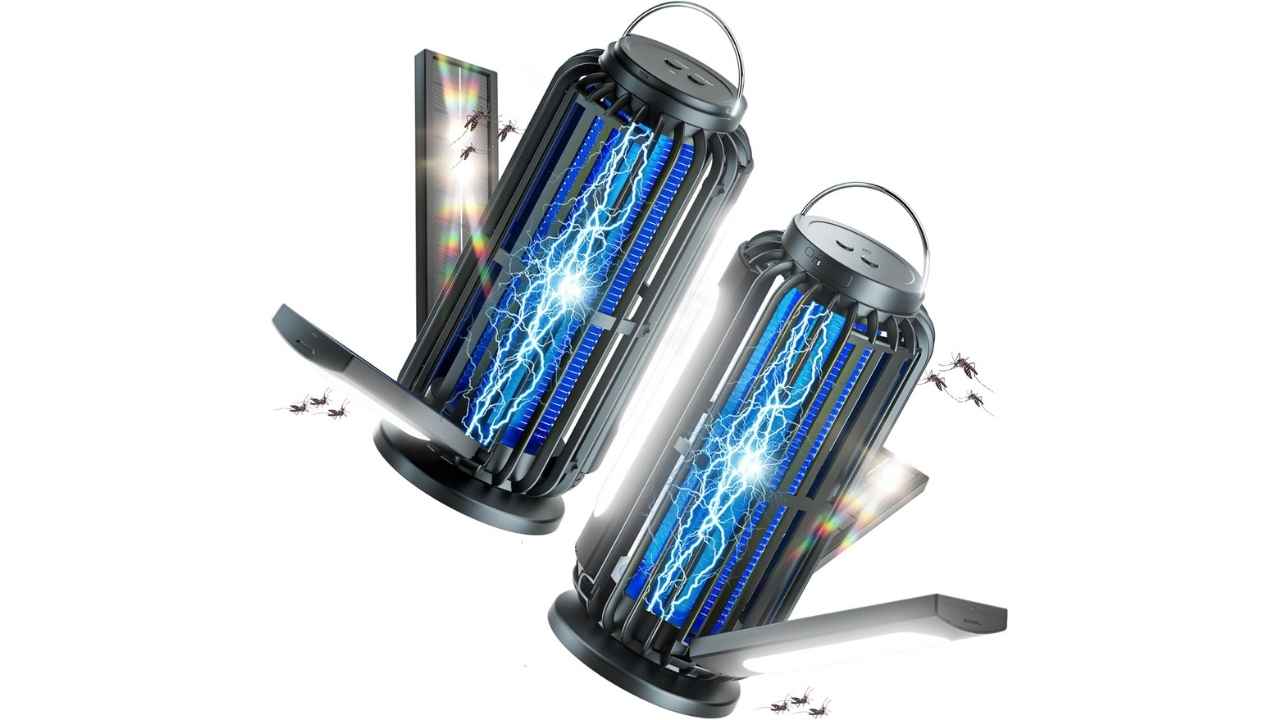 Outdoor essential TYPEC Solar Bug Zapper (36% off) Solar-powered bug zappers for patios and camping. |