



- Scammers can spoof your email address to make fake messages look like they came from you.
- Email authentication tools help block spoofing, but they do not stop every fake message.
- Check your sent folder, logged-in devices and account security if a message looks suspicious.
- Do not click links, open attachments or reply to spoofed emails, even if they appear familiar.
Over the years, scammers have become very inventive in their efforts to swindle you out of your money, privacy, security, and sanity. They have pretended to be everything from your family, friends, employers, insurance companies, and financial institutions. Now, they are taking it a step further and sending emails from you. That’s right, these scammers are spoofing your email address to make it appear as though the emails you are receiving are coming from your own address.
What is Spoofing?
When scammers spoof your email address, they forge it to make it appear as if it is being sent from someone other than the original sender. Unfortunately, spoofing email addresses can still happen because email systems rely on authentication tools like SPF, DKIM and DMARC to verify senders. These tools help block fake messages, but they are not perfect, and not every domain is configured strongly enough to stop spoofing.
Additionally, scammers can save a different name for any email address in their contacts and then use that. For instance, even if an email address is scammer@gmail.com, it can be saved in contacts with the first and last name of the contact as ‘John Smith.’ When the email reaches the recipient, the recipient simply sees that they received an email from ‘John Smith.’
Why do scammers spoof your email?
While it seems odd to send someone an email from their own address, it makes perfect sense to scammers. Below are two reasons why scammers use your own address to spam you:
1)Trick filters and readers
Scammers may spoof your address because it can make the message look more familiar. Some filters may still catch it, but the goal is to make you pause and wonder whether the message really came from your account.
2) Appears legitimate
You are more likely to believe in the legitimacy of the email if it comes from what appears to be your own account.
A Texas mom says she spent the night in jail after speaking up online about dirty water in her town. The case was later dropped, but her story raises a troubling question: could something you post online ever put you at risk?

Missed this event? Sign up via the registration form and see our live recording.
See Kurt’s Prime Day picks for useful gadgets, practical upgrades and everyday tech while the deals last.
What can I do to prevent spoofing?
Unfortunately, there is no foolproof way to prevent someone from spoofing your email address, but you can take steps to protect yourself.
1) Check your email account
Double-check to make sure that this email did not come from your email account by checking the draft and sent folders. If you can check to see where you are logged on to your email account, make sure that your email account isn’t open on an unrecognizable device.
2) Secure your email account
If you don’t already have a strong, unique password and have two-factor authentication turned on, change your password and enable two-factor authentication. Also, consider using a password manager to generate and store complex passwords.
3) Don’t click links or respond
You know the drill: never click on any links or open any attachments. The best way to safeguard yourself from malicious links that install malware, potentially accessing your private information, is to have antivirus software installed on all your devices. This protection can also alert you to phishing emails and ransomware scams, keeping your personal information and digital assets safe.
- Strong real-time protection against viruses, malware, ransomware and hacking attempts
- AI-powered scam protection to help identify suspicious emails, texts and websites
- Built-in password manager to securely store and manage logins
- 2 GB PC cloud backup to help protect important files from ransomware or hardware failure
- Smart firewall and phishing protection
- Protects 1, 3 or 5 devices
- Available for Windows, macOS, Android and iOS
- Includes real-time threat protection, smart firewall and phishing protection to guard against online attacks
4) Report spam
As annoying as it is, keep flagging and reporting these spam emails so that your email service provider can improve your spam filters.
5) Set up filters
If there are some common phrases or words used in these emails, set up a filter to flag and move emails with these characteristics into your spam or junk folder.
6) Contact your email service provider
Some email service providers have specific options, such as tools or procedures for handling spoofed emails.
7) Don’t reply to scammers
While it may be tempting to give these scammers a piece of your mind, resist the urge to reply to them. It will only confirm that their email was able to bypass the filters and that you are indeed the owner of a valid, active email account.
8) Invest in personal data removal services
While no service promises to remove all your data from the internet, having a removal service is great for protecting your information from spammers and data brokers, as well as for constantly monitoring and automating the process of removing your information from hundreds of sites continuously over a longer period of time. A service like Incogni can help you remove all this personal information from the internet. It has a very clean interface and will scan 195 websites for your information, remove it and keep it removed.
Exclusive Deal for CyberGuy Readers (60% off): Incogni offers a 30-day, money-back guarantee and applies a special CyberGuy discount to all annual plans, for as low as $6.39/month for one person (billed annually) or $13.19/month for your family (up to 5 people) on their annual plan.
I strongly recommend the family plan. Here's why: the scam that starts with a Google search of your name almost always ends with a call to you, your elderly parent or a text to your adult child. Protecting yourself without protecting the people around you is half a solution. At $2.64 per person per month, the family plan covers up to five people, and the people most likely to be the final target are often the ones who'd never think to protect themselves.
Get Incogni and remove your info
Related Links:
- Fake CAPTCHA scam can hack your computer
- Geek Squad billing scam email warning
- AI cybersecurity risks and deepfake scams on the rise
Kurt’s key takeaways
It can feel exhausting to protect yourself from endless spam emails. Now, scammers are using your own name and email address against you. While you may not be able to keep your email address out of a scammer’s reach forever, the steps above can help you spot spoofed messages, secure your account and avoid handing scammers the response they want.
Have you received a spam email from yourself? What’s the most believable spam email you received? What made you realize it was spam? Let us know by commenting below.
FOR MORE OF MY TECH TIPS & SECURITY ALERTS, SUBSCRIBE TO MY FREE CYBERGUY REPORT NEWSLETTER HERE
Copyright 2026 CyberGuy.com. All rights reserved. CyberGuy.com articles and content may contain affiliate links that earn a commission when purchases are made.
🎙 Now Streaming: My New Podcast: The CyberGuy Report
Kurt’s Top Deals
Deals move fast and inventory can be limited, so don’t wait too long.
| 🔥 Editor’s pick  Summer entertaining Ninja SLUSHi Machine (26% off) Frozen drinks and slushies at home in minutes. | |
| 💰 Top deal 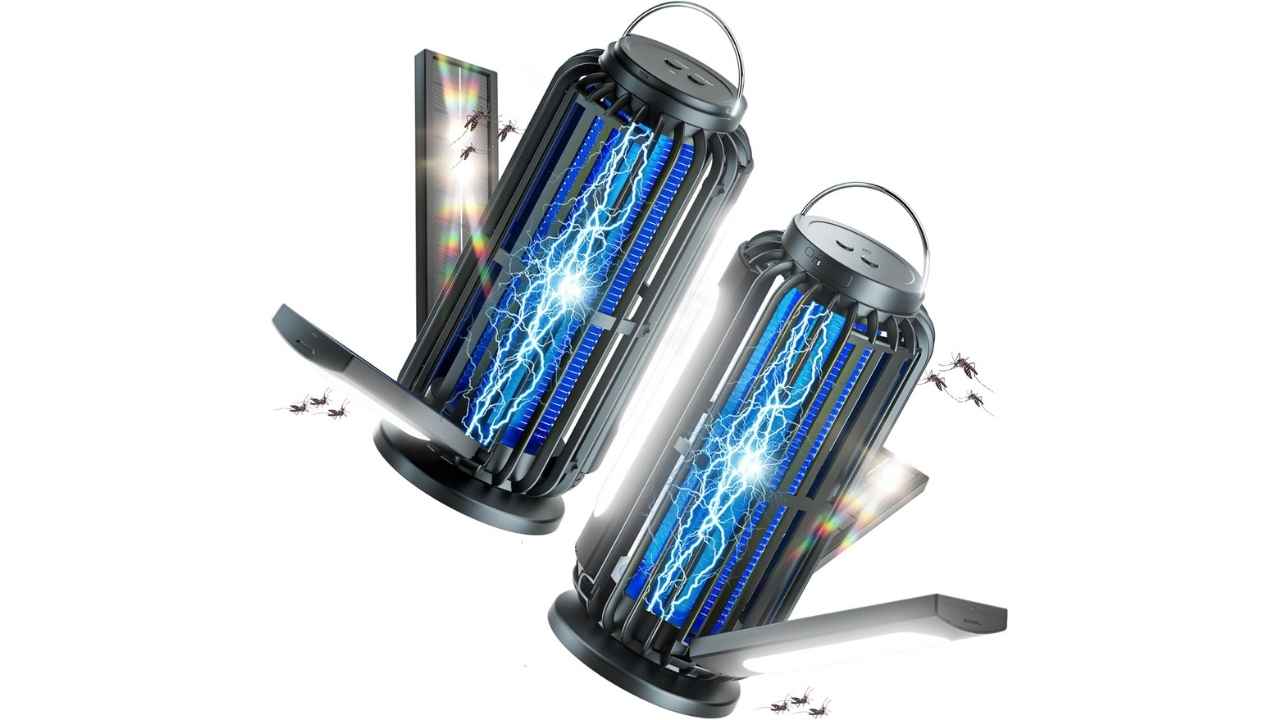 Outdoor essential TYPEC Solar Bug Zapper (36% off) Solar-powered bug zappers for patios and camping. |



4 comments
You forget the “blackmailers” who try to prove they have the “goods” on you because they are emailing you as you! Do not fall for it!
I have received several emails in my spam from myself. They are pretty rude with a cuss word.
Need to get rid of it.
If an email comes in that is spoofing my email address, it will automatically go to my Spam folder which I just delete without even looking at it.
I use Outlook to retrieve mail from many accounts. After sending the obvious junk mail to my junk folder, I then look at ones that may be fishy. Without opening them I also send them to junk. Then I can safely open them in the junk folder and see who really sent them. If legit, I un-junk them, then empty the folder.