



- Cheap Android TV boxes can secretly turn your home internet into a residential proxy.
- Researchers say the Popa botnet has routed traffic tied to fraud, scraping and account attacks.
- The FBI warns that shady streaming devices can arrive with malware or backdoors already installed.
- Unplug suspicious boxes, use official app stores and separate smart devices from your main network.
That cheap streaming box promising free movies, live sports and premium channels may come with a hidden cost you never agreed to pay.
Security researchers are warning about a sprawling Android-based botnet called Popa. It has reportedly forced millions of consumer TV boxes to relay internet traffic tied to ad fraud, account takeovers and mass data scraping.
The concern goes beyond one shady app or one off-brand gadget. It points to a bigger problem sitting in living rooms across the country. Your home internet connection can be quietly used by strangers. In other words, that box connected to your TV may be doing more than streaming shows and movies.

What cheap streaming box malware is doing
Popa is tied to the wider Vo1d and BADBOX-style ecosystem of compromised Android-based streaming devices. These are often unofficial TV boxes sold online under countless names. Many promise access to paid movies, sports or channels for a one-time price. That should be your first warning sign.
KrebsOnSecurity reports that Popa works less like a traditional botnet built for quick attacks and more like a persistent tunneling system. It can register a device, keep encrypted connections open and route traffic through that device when needed.
So what does that mean at home? Someone else’s internet traffic can appear to come from your house.
Why residential proxy networks put your home Wi-Fi at risk
A residential proxy uses a regular home internet address to send traffic. To a website, that traffic can look like it came from an ordinary household instead of a suspicious server farm.
That makes these networks valuable for people trying to hide mass scraping, fake ad clicks, account attacks or other shady activity. It also creates a scary problem for the person who owns the Wi-Fi.
Your IP address could show up as the source, even though you had no idea anything was happening. The FBI has warned that compromised internet-connected devices can become part of BADBOX 2.0 and residential proxy services used for criminal activity. Those devices can include TV streaming boxes, digital projectors, digital picture frames and other connected gadgets.
For more on how attackers can abuse connected devices, see our report on how the FBI warned that more than 1 million Android devices were hijacked by malware.
How big the Popa Android TV botnet appears to be
The numbers are huge. Lumen’s Black Lotus Labs told Krebs that Popa averages between 1.5 million and 2.5 million distinct IP addresses each day. The system also reportedly relies on hundreds of internet addresses used to direct its activity.
Google previously said BADBOX 2.0 compromised more than 10 million uncertified devices running Android open-source software without Google’s built-in security protections. Google also said the devices were used for ad fraud and other digital crimes.
That is why this should get your attention. The box under your TV may look harmless. But if it came preloaded with sketchy streaming apps, required workarounds or promised too much for too little money, it may be putting your home network at risk.
Watch the latest episode of The CyberGuy Report.

Missed this event? Sign up via the registration form and see our live recording.
See Kurt’s latest Amazon picks for useful gadgets, smart home upgrades and everyday tech worth grabbing while the deals last.

Why the NetNut link is disputed
The Popa story also includes a major dispute. Security firms Qurium and Synthient say Popa is linked to NetNut, a residential proxy provider owned by Alarum Technologies, a publicly traded Israeli company. Synthient said its analysis found traffic associated with NetNut coming from devices running Popa.
Alarum disputes the reports. The company says the claims contain flawed conclusions and rejects the characterization of the technology as a botnet. Alarum also says its SDKs are meant for bandwidth-sharing with notice, consent and safeguards. That disagreement is important. But for everyday households, the most important point stays the same. If a device or app can route someone else’s traffic through your home connection, you need to know before you plug it in.
How smart TV apps can use your home internet
This problem goes beyond cheap Android TV boxes. Krebs cited research from Spur, a proxy-tracking service, that found some smart TV apps can include hidden tools that share your home internet connection with outside companies.
Spur said more than 42% of LG webOS apps it reviewed had these components. It also found similar components in more than 25% of Samsung Tizen apps reviewed.
In response, a Samsung spokesperson told CyberGuy, “Samsung wants to reassure our customers that the third-party residential proxy SDKs recently reported in the media cannot access, collect, or store any personal information from the TV, such as account credentials, viewing history, or personal files.”
Samsung said it has already restricted new app registrations that include those proxy functions.
“We are currently implementing strict platform-wide developer policies explicitly banning residential proxy SDKs, and we are working to identify and remove all apps currently available in our store that contain these components,” the company said.
“The privacy and security of our customers are our top priority, and we will continue to enforce our developer policies to ensure our platform remains safe and trustworthy,” the spokesperson added.
Samsung’s response sounds reassuring on personal TV data. Still, the bigger lesson is to be careful about what you install on any smart TV. Random games, free streaming apps or odd utilities can come with permissions or fine print that most people skip.
A TV remote makes it easy to click through prompts without reading much. That is important because an app may be able to use your home internet connection in ways you did not expect.
Warning signs your streaming box may be unsafe
Be careful with any streaming device that promises free access to paid content. Also watch for Android boxes advertised as “unlocked,” “fully loaded” or loaded with premium channels.
The FBI lists several warning signs, including devices that require Google Play Protect to be disabled, apps from suspicious marketplaces, generic streaming boxes from unknown brands, Android devices that lack Play Protect certification and unexplained internet traffic. If you see one of those signs, unplug the device from power and disconnect it from Wi-Fi or Ethernet.

How to protect your home from cheap streaming box malware
The good news is you do not need to be a cybersecurity expert to lower your risk. Start with the devices connected to your TV, then work outward to your router, apps and passwords.
1) Avoid “fully loaded” streaming boxes
Do not buy cheap Android TV boxes that promise free movies, live sports or paid channels. Those deals can come with malware, backdoors or proxy software. Stick with trusted streaming platforms and certified devices from known brands. A bargain stops looking like a bargain when it puts your home network at risk.
2) Disconnect suspicious streaming devices
Unplug any no-name Android TV box, unlocked streaming device or gadget that required you to disable Google Play Protect. Then remove it from your router’s connected-device list. If unknown devices appear on your router, change your Wi-Fi password. After that, reconnect only the devices you recognize.
3) Check for Play Protect certification
If you use an Android TV device, check whether it is Play Protect certified. Uncertified Android devices may lack Google’s built-in security protections. A device that asks you to turn off security settings during setup deserves extra scrutiny. That setup step can be a major red flag.
4) Use only official app stores
Install apps only from official stores on your smart TV, Fire TV, Apple TV, Roku or Android TV device. Avoid sideloading, which means installing apps from outside the official app store, unless you fully trust the source. The FBI warns that unofficial marketplaces and required app downloads can increase the chance of infection.
5) Delete unused smart TV apps
Go through the apps on your smart TV and streaming devices. Remove games, utilities, free streaming apps and anything you no longer recognize. Pay close attention to apps that mention bandwidth sharing, proxy access or earning rewards from unused internet. Those tradeoffs can be buried in language most people would skip.
6) Update your router and streaming devices
Keep your router, smart TV, streaming stick and other connected devices updated. Firmware updates often fix security holes that attackers love to exploit. Also, check whether your router supports automatic updates. Turn that on if available.
7) Check your router for unknown devices
Open your router app or router admin page and look at the connected-device list. Remove anything you do not recognize. Also, watch for devices sending unusual amounts of data. A streaming box should not be creating heavy outbound traffic when no one is watching anything.
8) Change passwords used on the device
If you signed into Google, streaming apps or other accounts on a suspicious TV box, change those passwords from a trusted phone or computer. Also, sign out of those accounts on other devices when the service gives you that option. Use a trusted password manager such as NordPass to create and store strong, unique passwords so one compromised account does not open the door to others.
9) Delete sketchy free VPNs and extensions
Remove free VPNs, free streaming apps, coupon extensions, unknown browser extensions and apps that offer to pay you for bandwidth. A trusted VPN such as ExpressVPN can help protect your privacy online, especially on public Wi-Fi. However, a VPN will not clean an infected streaming box or stop a shady TV app from abusing your connection. Use it as one layer, not your only defense.
ExpressVPN is the go-to choice for those who prioritize ultra-fast speeds, reliability, and top-tier security. With servers in 105 countries, ExpressVPN delivers blazing-fast performance for streaming, gaming, and secure browsing. It supports P2P file sharing, offers best-in-class encryption, and maintains a strict no-logs policy—with all servers running on RAM for enhanced privacy. You can connect up to 10 devices simultaneously, and setup takes under 2 minutes. Plus, with 24/7 live customer support and a 30-day money-back guarantee, ExpressVPN is a premium choice for security-focused users who want speed without compromise.
CyberGuy Exclusive ExpressVPN Deals:
✅ Save 75% – Get 3 months FREE with 12-month plan for $3.99/month. Try 30 days risk-free.
✅ Save 84% – Get 4 months FREE with 24-month plan for $2.49/month. Try 30 days risk-free.
10) Put smart devices on a guest network
Create a separate guest or IoT network for TVs, streaming boxes, cameras, printers and other smart devices. That way, a compromised gadget has less access to your phones, laptops and personal files. Many newer routers make this fairly easy inside the router app.
11) Run a full security scan
Run a full security scan on your computers and phones with trusted security software such as Norton AntiVirus Plus (CyberGuy Deal: 68% off). This can help catch malware, risky downloads and suspicious files. But let’s be real here. Do not assume antivirus software can fully clean a cheap infected TV box. The FBI has warned that some compromised devices may come with malware before purchase or pick it up during setup.
12) Replace the device if you are unsure
A factory reset may sound like enough, but it may fail to remove malware that came preinstalled or lives deeper in the device. If the box came from an unknown brand, pushed you toward sketchy apps or required security workarounds, replacing it is the safer move.
13) Report suspicious activity
If you believe your device or network has been compromised, report it to the FBI’s Internet Crime Complaint Center at IC3.gov. Also, contact your internet provider if you see strange traffic or get abuse notices tied to your IP address.
Related Links:
- Why built-in computer security isn’t enough anymore
- Online security checklist: What you need to stay safe in 2026
- National Security Agency is urging Americans to reboot our phones once a week
Kurt’s key takeaways
The scary part here is how ordinary this can look. A cheap streaming box sits under your TV, works well enough and promises free content. Meanwhile, your home internet connection may be getting rented out or abused in ways you never approved. That to me is scary because most people would never think to check whether their TV box is sending traffic in the background. They just want to watch the game or a movie. But if the device came from an unknown brand, promised free paid content or required sketchy setup steps, it deserves a serious look. The safest move is to unplug anything suspicious, use certified streaming devices and keep your smart TV apps under control. Free TV can become expensive fast when your home internet gets dragged into someone else’s scheme.
Would you unplug a streaming box if you found out strangers might be routing their internet traffic through your home? Let us know your thoughts in the comments below.
FOR MORE OF MY TECH TIPS & SECURITY ALERTS, SUBSCRIBE TO MY FREE CYBERGUY REPORT NEWSLETTER HERE
Copyright 2026 CyberGuy.com. All rights reserved. CyberGuy.com articles and content may contain affiliate links that earn a commission when purchases are made.
🎙 Now Streaming: My New Podcast: The CyberGuy Report
Kurt’s Top Deals
Deals move fast and inventory can be limited, so don’t wait too long.
| 🔥 Editor’s pick  Summer entertaining Ninja SLUSHi Machine (26% off) Frozen drinks and slushies at home in minutes. | |
| 💰 Top deal 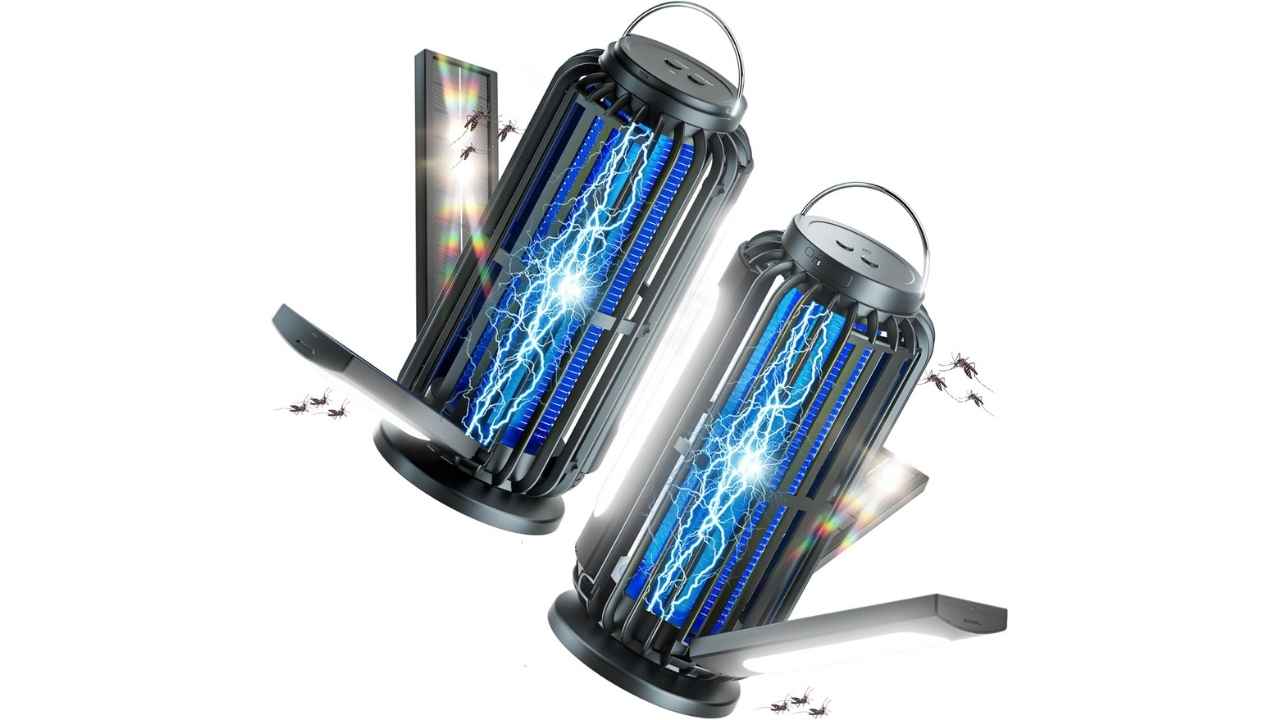 Outdoor essential TYPEC Solar Bug Zapper (36% off) Solar-powered bug zappers for patios and camping. |


