



If the ads you see in December feel a little too accurate, you are not imagining it. The holiday shopping season is the busiest time of the year for retailers and for data brokers. These companies quietly track, collect, and sell your personal information. Every search, click, cart add, and purchase feeds a digital shopping profile tied to your name, phone number, email, and address.
If you do not clean it up before the year ends, that profile will follow you into 2026. It fuels more scam calls, targeted ads, identity theft attempts, and privacy risks you never agreed to. Here is how your profile forms, why data brokers want it, and how to erase it fast.

Your digital shopping profile forms the moment you shop online
Your profile starts forming the second you browse Amazon, Target, Sephora, Walmart, or any online store. Every interaction adds new data points, including:
- Items you viewed
- Items you added to your cart
- Purchases and near-purchases
- Shipping and billing addresses
- Total spending
- Preferred brands
- Device type and browser
- IP address and physical location
Activity spikes in November and December. You are searching for gifts, deals, decorations, and electronics. Data brokers watch this surge and collect more aggressively.
How data brokers get your information
Data brokers gather your personal information from several places at once. Here are the most common sources.
1) Retailers send your shopping data to third parties
Most retailers use analytics, advertising, or measurement partners. These partners are often data brokers. The more companies that handle your information, the higher the risk of exposure.
Marketing tools may analyze personal details such as age, race, gender, location, and shopping habits. Even without clear consent, partners often receive:
- Full purchase histories
- Timestamps
- Product categories
- Loyalty account details
Some stores even share in-store behavior when you scan a loyalty card.
2) Shopping apps track far more than what you buy
Apps from Amazon, Temu, Walmart, Shein, Target, and others track everything you do. They often collect:
- Real-time location
- Device data
- Contact lists if allowed
- Swipe patterns
- Time spent viewing specific items
This behavioral data becomes extremely valuable to data brokers. It also helps scammers understand how to target you.
3) Price-comparison tools copy your browsing habits
Browser plugins that offer price drops or deal matching often collect far more than you expect. An FTC investigation revealed that they can capture details from location and demographics to mouse movements.
Data points like these get packaged, sold, and added to your digital shopping profile. Scammers can then build highly targeted attacks.

What scammers can do with your digital shopping profile
Scammers use these profiles to run more convincing attacks during the holiday season. With access to your data, they can:
- Send fake order confirmations
- Launch refund scams
- Send fraudulent delivery texts
- Commit identity theft
- Resell your information to other criminals
If you interact with a scam even once, your profile may be marked as verified. That makes you a priority target for future attacks.
Watch the latest episode of The CyberGuy Report.

Missed this event? Sign up via the registration form and see our live recording.
See Kurt’s latest Amazon picks for useful gadgets, smart home upgrades and everyday tech worth grabbing while the deals last.
Why December is the best month to delete your data
Each January brings a surge in scams, including refund scams, account update scams, IRS scams, Medicare scams, and subscription renewal scams. Many of these attacks rely on the holiday shopping data collected in the weeks before.
If you delete your data now, you reduce:
- Scam calls
- Spam emails
- Targeted phishing attempts
- The number of companies holding your personal information
Data brokers must delete your information once you request it. Acting now limits how much of your 2025 activity they can store and resell.
However, removing your data manually is nearly impossible. You would need to contact and send opt-out requests to:
- People-search sites
- Marketing data brokers
- Retail data aggregators
- Ad-targeting vendors
- Shopping analytics platforms
- Credit-linked identity brokers
One at a time.

The fastest way to delete your digital shopping profile
This is why I recommend using an automated data removal service. They remove your exposed data from hundreds of data broker sites and continue to monitor new threats.
While no service can guarantee the complete removal of your data from the internet, a data removal service is really a smart choice. They aren’t cheap, and neither is your privacy. These services do all the work for you by actively monitoring and systematically erasing your personal information from hundreds of websites. It’s what gives me peace of mind and has proven to be the most effective way to erase your personal data from the internet. By limiting the information available, you reduce the risk of scammers cross-referencing data from breaches with information they might find on the dark web, making it harder for them to target you.
A service like Incogni can help you remove all this personal information from the internet. It has a very clean interface and will scan 420+ websites for your information and remove it and keep it removed. Plus Incogni has received third-party assurance from Deloitte validating its entire data removal process.
The longer you wait, the more data brokers spread your personal information online. I recommend Incogni to help you remove that data automatically (and they make sure it stays removed) without any effort on your part. Exclusive Holiday Deals for CyberGuy Readers (60% off): Incogni offers a 30-day money-back guarantee and then charges a special CyberGuy discount for all annual plans only through the links in this article for as low as $6.39/month for one person (billed annually) or $13.19/month for your family (up to 5 people) on their annual plan. This fully automated data removal service provides ongoing protection from 420+ data brokers, and if you choose the Unlimited plan, you can also request removals from specific sites where your personal information appears. I recommend the family plan because it works out to only $2.64 per person per month (or $4.80 per person per month if you get the Family Unlimited plan) for powerful year-round privacy protection. It’s an excellent service, and well worth trying to see how much of your information is being exposed and how effectively it can be removed. Get Incogni here Get Incogni for your family (up to 5 people) here Is your personal information exposed online? Run a free scan to see if your personal info is compromised. Results arrive by email in about an hour.
Related Links:
- Surprising places your personal data is exposed and how to remove it
- Protect your data before holiday shopping scams strike
- Take back your privacy with custom data removals
Kurt’s key takeaways
Your digital shopping profile may feel invisible, but it shapes the ads you see, the scams you receive, and how exposed your personal information becomes. The holiday season gives data brokers more information in two months than they collect during the rest of the year. Use December to clean it up. With a few smart steps and an automated data removal service, you can enter 2025 with fewer scams, fewer trackers, and more control over your privacy.
What part of your digital shopping profile surprised you most after learning how data brokers track you? Let us know in the comments below.
FOR MORE OF MY TECH TIPS & SECURITY ALERTS, SUBSCRIBE TO MY FREE CYBERGUY REPORT NEWSLETTER HERE
This article was created in partnership with Incogni Copyright 2025 CyberGuy.com. All rights reserved. CyberGuy.com articles and content may contain affiliate links that earn a commission when purchases are made.
🎙 Now Streaming: My New Podcast: The CyberGuy Report
Kurt’s Top Deals
Deals move fast and inventory can be limited, so don’t wait too long.
| 🔥 Editor’s pick  Summer entertaining Ninja SLUSHi Machine (26% off) Frozen drinks and slushies at home in minutes. | |
| 💰 Top deal 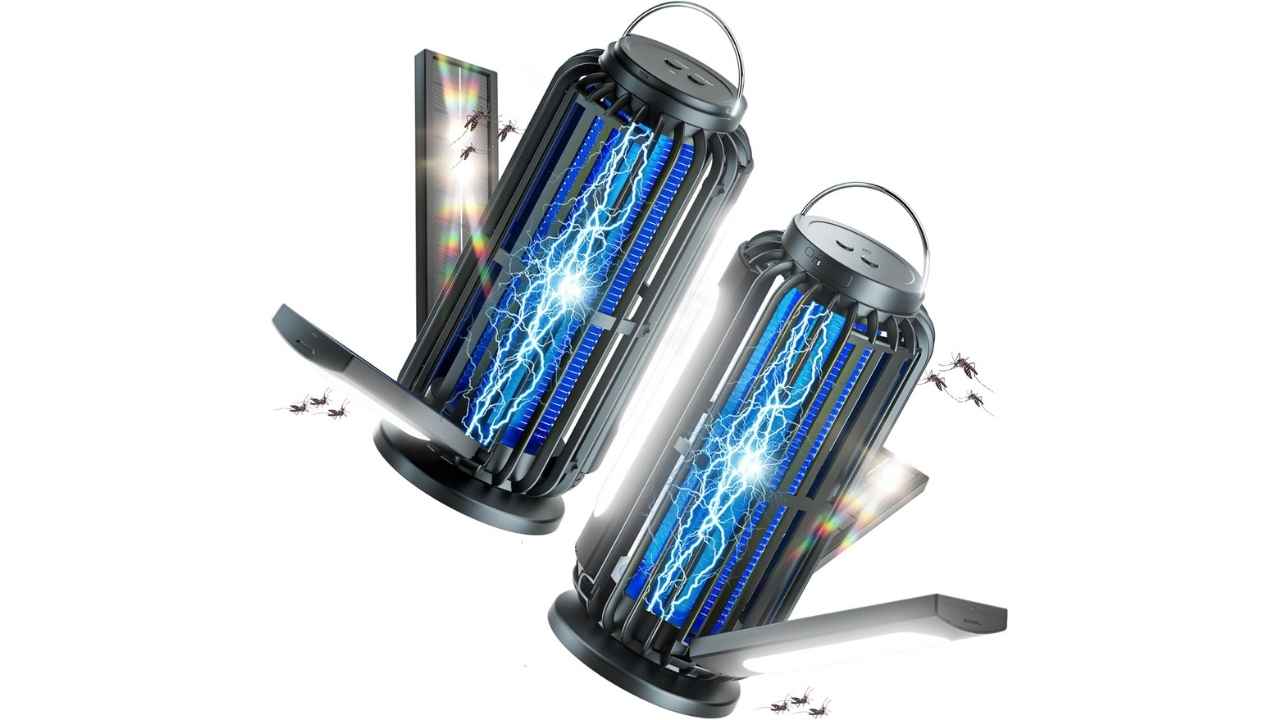 Outdoor essential TYPEC Solar Bug Zapper (36% off) Solar-powered bug zappers for patios and camping. |


