



- Some credit cards can now be approved without an SSN using other personal details.
- Scammers collect small pieces of your information over time to build a complete identity profile.
- Fraudulent applications can be approved if the information matches existing credit records.
- Most victims only discover the fraud weeks later when it appears on their credit report.
Some credit card issuers now approve applicants without a Social Security number. Instead, they accept an Individual Taxpayer Identification Number, a passport or proof of income.
That makes it easier for more people to access credit. But it also changes how lenders verify identity. Instead of relying on one number, they now review a mix of personal details.
According to the Federal Bureau of Investigation, it received 1,008,597 internet crime complaints in 2025. Phishing and spoofing ranked among the most common. These scams collect small pieces of your personal information over time, including your name, address or date of birth.
Each detail may seem harmless on its own. But scammers combine them to build a profile that looks real. That profile can pass basic checks and lead to accounts opened in your name.

How lenders verify identity without an SSN
Lenders check new credit applications against credit bureau records. These records include your name, date of birth and address history.
Experian says it can use these details to find or build a credit file when an SSN is not available. Lenders also look for an existing credit file and recent activity.
If the details match what is already on file, lenders may approve the application. The decision depends on whether the profile looks consistent and believable.
How scammers gather your information
Scammers rely on phishing and impersonation tactics to collect data over time. The Federal Bureau of Investigation reports more than 190,000 phishing and spoofing cases in 2025.
A message may ask you to confirm your name or address. Another message may request part of an account number. Each interaction adds another piece.
Alone, the information does not seem useful. Together, it creates a complete profile. These are the same details lenders use to verify identity. Scammers then combine everything and apply for credit in one step.

Why fraudulent applications still get approved
Lenders approve applications by matching the details to existing records. They do not trace where that information came from. They focus on consistency. Many systems process applications automatically using credit bureau data. Each application usually creates a hard inquiry on your credit file.
If the details match and a credit file already exists, lenders may treat the application as legitimate. No step confirms that the person applying actually owns that identity. The Federal Trade Commission receives more than 1 million identity theft reports each year. Credit card fraud remains one of the most common types. Many cases involve new accounts opened with information that passed basic checks.
How you might find out
You cannot see credit applications in real time. Most people only notice activity when it shows up on their credit report.
- A hard inquiry appears when someone applies for credit. But you will only see it if you check your credit regularly.
- New accounts usually appear after they are reported to credit bureaus. This often takes 30 to 60 days, depending on the issuer.
- Sometimes, the first sign is a piece of mail. A credit card or welcome letter may be sent to the address on the application. If a scammer changed the address, you may never see it.
- Others discover the issue when their credit score drops, or a new account appears on their report.

Why timing works against you
By the time you see these changes, the account is already open. That gives scammers time to apply for more credit or start spending.
That delay is what makes this type of fraud so difficult to catch early.
Here’s how to catch fraudulent accounts early
The only way to see this type of fraud early is to keep an eye on your credit file. These include:
- New credit accounts
- Hard inquiries from applications
- New authorized users added
- Changes to your name or address
- New collections or delinquent accounts
Most people don’t check their credit regularly. Bank alerts can flag activity on existing accounts, but they don’t show new credit cards opened at a different bank. Those only appear once they are reported to the credit bureaus. You can also place a free credit freeze with Equifax, Experian and TransUnion, which can block new credit accounts from being opened in your name. A fraud alert is another option that tells lenders to take extra steps to verify your identity before approving new credit.
Credit monitoring services like Aura track activity across those bureaus and notify you when something changes. That gives you a chance to respond, freezing your credit, disputing the account or contacting the lender.
- Aura monitors your credit across Equifax, Experian and TransUnion and sends alerts within minutes of activity being reported, so you’re not waiting for a daily update to see changes.
- It also lets you lock your Experian credit file with one click, which can stop new applications before they are approved.
- In addition to credit activity, Aura tracks a broader set of personal data. It monitors 41% more dark web categories than the next leading competitor, including phone numbers, driver’s licenses and medical IDs, the same types of information often used to fill out applications.
Exclusive CyberGuy deal: Save up to 68% today and get Aura’s award-winning identity theft protection and credit monitoring for as low as $9/month when billed annually.
One of the best parts of Aura: Identity Theft Protection is its all-in-one approach to safeguarding your personal and financial life. Aura includes identity theft insurance of up to $1 million per adult to cover eligible losses and legal fees, plus 24/7 U.S.-based fraud resolution support with dedicated case managers ready to help restore your identity fast.
How to check if your personal information was exposed
If you are unsure whether criminals have already exposed your information, take action now. Start with a free identity breach scan to see whether your data appears in known leaks. Early detection gives you more control and helps you respond before fraud spreads.
Check if your personal information is already being used for identity theft, fraud, or appearing on the dark web.


Related Links:
- Why physical ID theft is harder to fix than credit card fraud
- Identity theft losses surge 70% for older Americans
- Google dropped dark web monitoring: Should you care?
Kurt’s key takeaways
More lenders now approve credit cards without a Social Security number. That makes credit easier to access. But it also changes how identity gets verified. Lenders now match multiple pieces of personal information instead of relying on one number. That gives scammers more ways in. They can collect small details over time and use them together. This is why identity theft is harder to spot. You may not notice anything until a new account shows up on your credit report. By then, the damage may already be done. The takeaway is simple. Check your credit regularly. Set up alerts and limit what you share online. Fraud is no longer just about stolen numbers. It is about stolen identities built piece by piece.
Is enough being done to stop scammers from using your personal information to open accounts, or is the system making it too easy for them to slip through? Let us know in the comments below.
FOR MORE OF MY TECH TIPS & SECURITY ALERTS, SUBSCRIBE TO MY FREE CYBERGUY REPORT NEWSLETTER HERE
This article was created in partnership with Aura
Copyright 2026 CyberGuy.com. All rights reserved. CyberGuy.com articles and content may contain affiliate links that earn a commission when purchases are made.
🎙 Now Streaming: My New Podcast: The CyberGuy Report
Kurt’s Top Deals
Deals move fast and inventory can be limited, so don’t wait too long.
| 🔥 Editor’s pick  Summer entertaining Ninja SLUSHi Machine (26% off) Frozen drinks and slushies at home in minutes. | |
| 💰 Top deal 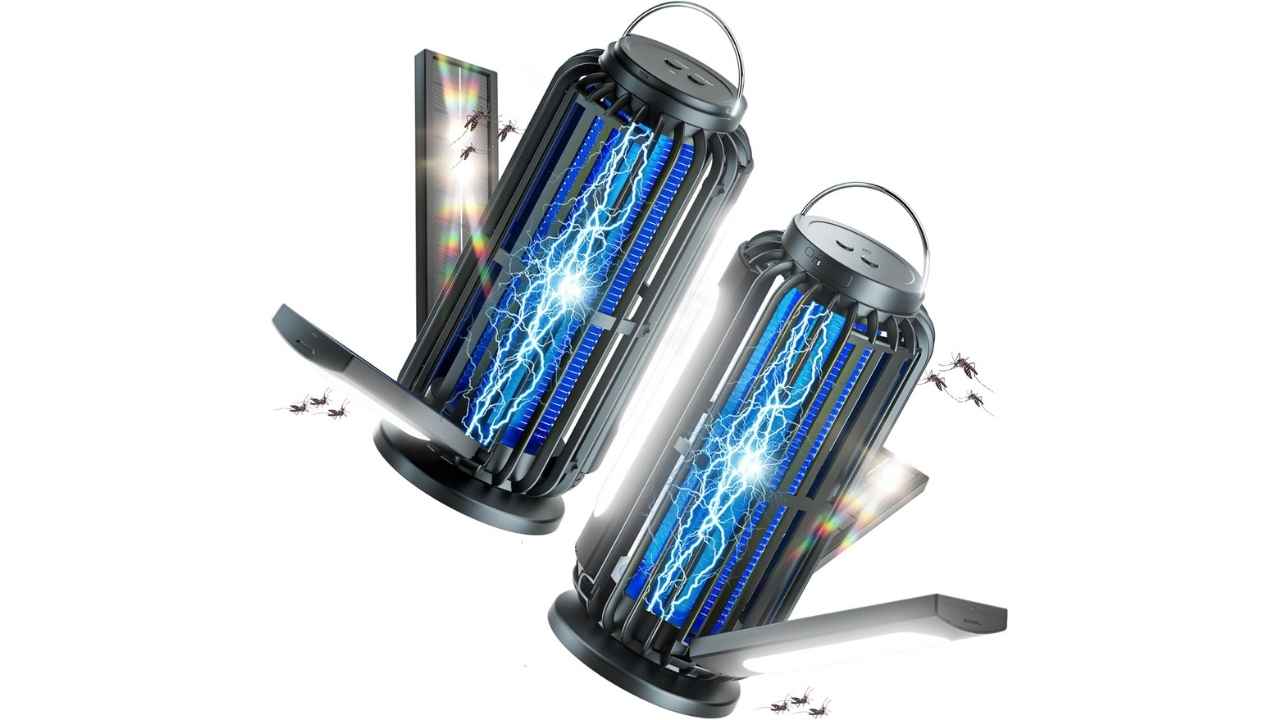 Outdoor essential TYPEC Solar Bug Zapper (36% off) Solar-powered bug zappers for patios and camping. |


