


The RockYou2024 leak, which exposed almost 10 billion passwords in July of last year, might seem like old news, but its impact is still felt today. It’s considered the largest password compilation ever released. With such a vast collection of breached credentials circulating, the risk of credential stuffing, identity theft, and unauthorized access to online accounts and systems remains high. For anyone still reusing passwords, the dangers are real — and growing. That’s why password security has never been more critical, and the big question remains, “How secure is my password?”.

Why does password strength matter?
Think of weak passwords as an open door for hackers. Recent reports show that many common passwords can be cracked in literally seconds. Simple or reused passwords are especially vulnerable to automated attacks, and once one account is breached, others are often quickly compromised.
If a company you’re signed up with experiences a data breach and your login info is leaked, attackers can try that same password on other platforms, potentially unlocking a lot more than just one account.
Strong passwords act as your first line of defense. They’re long, complex, and unique, making it significantly harder for attackers to guess or brute-force their way in. When every account has its own strong password, even if one gets leaked, the rest stay safe.
Think of it this way: a weak password is like using the same key for your house, car, and office — and leaving it under the doormat. A strong password? It’s like a unique, high-security key for every door in your digital life.
What are the top 5 passwords to avoid?
The most commonly used and insecure passwords are:
- 123456
- 123456789
- 12345678
- password
- Qwerty123
These passwords are extremely easy to guess and should be avoided at all costs.
Password strength test: 7-point self-evaluation checklist
How secure is your password, really? It’s time to put it to the test. Grab a pen (or just keep a mental tally) and score yourself based on this 7-point password strength test. Each “yes” earns you a point. So, let’s see how your password holds up in today’s threat landscape.
1) Is your password at least 12 characters long?
Length is your first line of defense. Short passwords — think 6 or 8 characters — can be cracked in minutes by modern hacking tools. At 12 characters or more, you’re making it exponentially harder for brute-force attacks to succeed.
2) Does it include a mix of upper and lowercase letters?
Mixing uppercase (A–Z) and lowercase (a–z) letters strengthens your password by increasing complexity. For example, instead of using something like “t8g5k9w2,” use “T8g5K9w2” — same characters, just more variety. Mix it up.
3) Does it include numbers?
Adding numbers (0–9) makes your password harder to crack. Instead of sticking to just letters — like “Trkplmsh” — try something like “Tr8k5Plm2sh.” Randomly placed numbers increase complexity and make your password much more secure.
4) Does it include special characters?
Symbols like !, @, #, and $ add another layer of security. For example, a password like “T8g5K9w2” becomes even stronger as “T8g5#K9w2!.” Special characters increase complexity and help defend against attacks.
5) Is it unique (not reused across accounts)?
Reusing passwords is like handing hackers a master key. If one account gets breached and you’ve reused that password elsewhere, you’re toast. One password, one purpose. No exceptions.
How one convincing SSA scam nearly tricked a reader, and the five red flags to check before you click.
Join Kurt Saturday, June 13 at 10 AM ET for quick phone privacy and security fixes.
See Kurt’s 2026 picks for practical tech and everyday upgrades.
6) Does it avoid personal info like your birthdate?
Your name, birthday, or “Fluffy1990” (your dog’s name and birth year) might feel clever, but they’re goldmines for attackers who can scrape social media or breached data. Keep it impersonal and unpredictable.
7) Have you changed it in the last 90 days?
Even good passwords can go stale. It’s a smart move to update them every 90 days, or sooner if a site you use has a security issue.
How did you score?
Now, let’s take a look at your score:
- 0-2 points: Uh-oh. Your passwords are waving a welcome flag to hackers. Time for a serious upgrade.
- 3-4 points: Not terrible, but you’re still vulnerable. Patch those weak spots pronto.
- 5-6 points: Solid effort! You’re close to fortress-level security — tweak a bit more.
- 7 points: Nailed it. Your password is strong and secure — just remember to keep it updated.
This quick password strength test isn’t just a quiz — it’s a good reminder. Even one weak spot could be all it takes for someone to break in. In a world full of data leaks, a strong, unique password is one of the easiest ways to protect yourself. So, what’s your score? Think it’s time to level up?
What should I do if my password strength is low?
If your score didn’t quite hit that 7 out of 7 mark, no worries. The good news? You’ve already taken the first step by identifying the weak spots. Now, you’ve got two options:
Build a better password yourself
To keep your passwords secure, use ones that are at least 12 characters long with a mix of uppercase and lowercase letters, numbers, and special characters. Avoid using personal information or common patterns. Always use a different password for each account, and enable two-factor authentication whenever it’s available. While you can build a strong password on your own, let’s be real, it’s not always easy. Coming up with something that’s at least 12 characters long, includes uppercase and lowercase letters, numbers, special symbols, and isn’t based on anything personal? That’s a tall order. And even if you do manage to craft the perfect one, you’ve still got to remember it, especially if you’re using a different strong password for every account (which you absolutely should be).
Let a password generator do the heavy lifting
This is the easier, faster, and frankly smarter route. A password generator creates long, complex, completely random passwords for you — no guesswork or mental gymnastics required. These tools are designed to pump out passwords that check all the boxes, making them far harder to crack. If you want an easy and secure option, many password managers include built-in password generators that follow best practices for maximum strength. Either way, the key takeaway is this: don’t settle for weak or recycled passwords. Whether you go DIY or use a tool, upgrading your password strength is one of the simplest ways to protect yourself online.
What is the best password manager?
Password security can seem like a tough thing to maintain manually. The good news is that password managers such as NordPass take the hassle out of it by generating, storing, and auto-filling strong, unique passwords for you.
We recommend NordPass because it’s secure, user-friendly, and includes features like a password health tool, data breach monitoring, and a built-in password generator to help you create strong, unique passwords. NordPass password manager is a digital safe designed to encrypt and store your login credentials, passkeys, credit card details, personal info, and even sensitive files. It remembers everything for you, organizes your credentials neatly, and fills in login forms with a single click. When you sign up for a new site, it autosaves the password — no effort required.
The best part? NordPass puts an end to password reuse. Instead of leaning on that tired old “Fluffy1990” across every account, it generates strong, unique passwords tailored to each site, boosting security for both your personal and professional life. So, with NordPass, you’ll no longer have to ask yourself, “How secure is my password?”
NordPass also offers additional powerful tools to boost your security. The Data Breach Scanner, a premium feature, actively scans leaked databases and compares them to your stored email addresses, passwords, and credit card details. If your info pops up in a breach, it alerts you instantly, detailing what was compromised and when, so you can act fast to secure affected accounts.
Meanwhile, the Password Health tool analyzes every password in your vault, flagging weak ones, reused ones, or old ones (unchanged for over 90 days). It’s like a security checkup, nudging you to update vulnerabilities with a handy “Change Password” option.
Moreover, NordPass uses the xChaCha20 encryption algorithm, a cutting-edge method that scrambles your passwords into gibberish. Even if someone managed to peek inside your vault, they’d see nothing usable.
Benefits of using NordPass
- Generates unique passwords
- Auto-fills and organizes logins
- Stops password recycling
- Flags leaked information
- Spots weak or reused passwords
- Secures data with encryption
- Syncs across devices
CyberGuy Exclusive Deal: Save 52% now with CyberGuy’s exclusive NordPass offer – Get 1 extra month FREE with a 2-year plan. Try 30 days risk-free for only $1.43 per month!
Related Articles:
- Instagram password reset surge: Protect your account
- Malicious Mac extensions steal crypto wallets and passwords
- Password manager fined after major data breach
Kurt’s key takeaways
With data breaches becoming increasingly common, it’s clear that password security isn’t a “set it and forget it” task. It’s an ongoing process. By prioritizing strong passwords and using tools to help you manage them effectively, you can significantly reduce your risk and enjoy greater peace of mind online.
Do you feel that the companies you interact with online are doing enough to protect your data and passwords? What more could they be doing? Let us know in the comments below.
FOR MORE OF MY TECH TIPS & SECURITY ALERTS, SUBSCRIBE TO MY FREE CYBERGUY REPORT NEWSLETTER HERE
This article was created in partnership with Nordpass.
Copyright 2026 CyberGuy.com. All rights reserved. CyberGuy.com articles and content may contain affiliate links that earn a commission when purchases are made.
🎙 Now Streaming: My New Podcast: The CyberGuy Report
Kurt’s Top Deals
Deals move fast and inventory can be limited, so don’t wait too long.
| 🔥 Editor’s pick  Summer entertaining Ninja SLUSHi Machine (26% off) Frozen drinks and slushies at home in minutes. | |
| 💰 Top deal 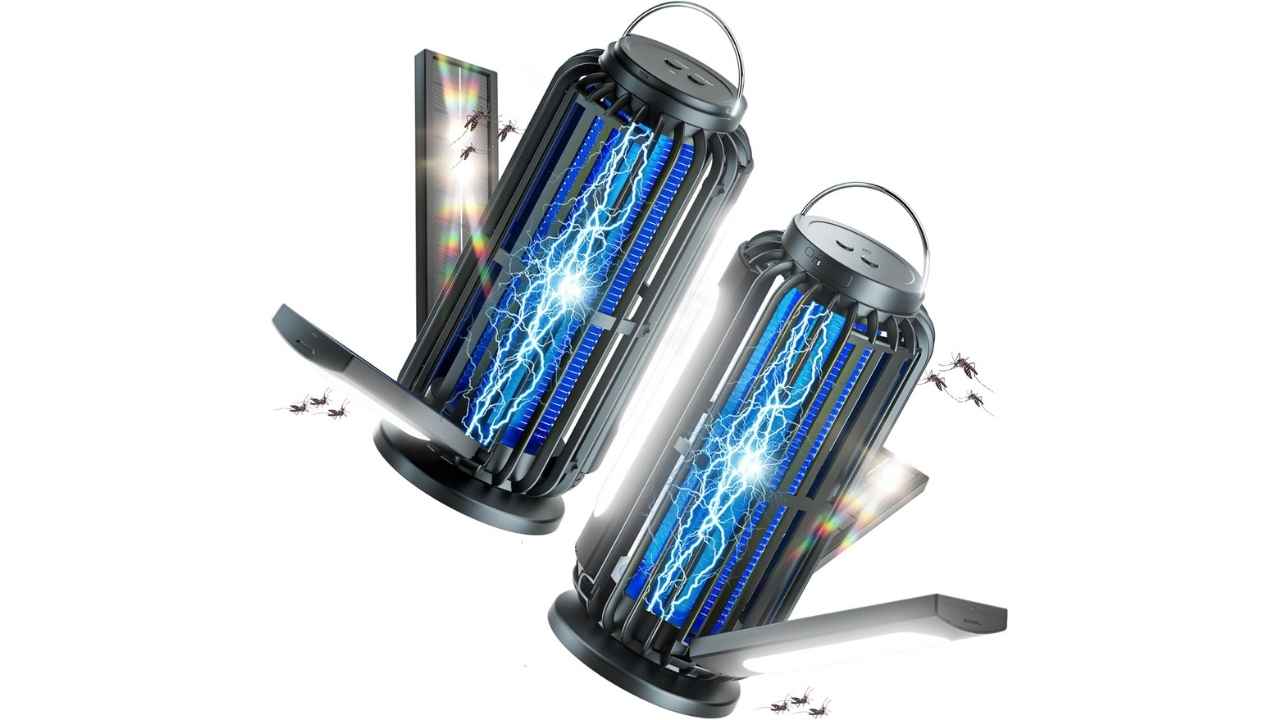 Outdoor essential TYPEC Solar Bug Zapper (36% off) Solar-powered bug zappers for patios and camping. |


2 comments
How can I be sure that a Password Manager is a trustworthy place for all my personal information?
Hi Susie, a trustworthy password manager should use strong end-to-end encryption, meaning your data is encrypted on your device before it ever reaches their servers. Look for providers with a clean security track record, independent audits, and transparent privacy policies. Our top choices NordPass follows zero-knowledge architecture, which means even the company can’t access your vault. Features like two-factor authentication, biometric login, and emergency access add extra layers of protection. Ultimately, while no system is 100% immune, a well-vetted password manager is far safer than reusing passwords or storing them in your browser.