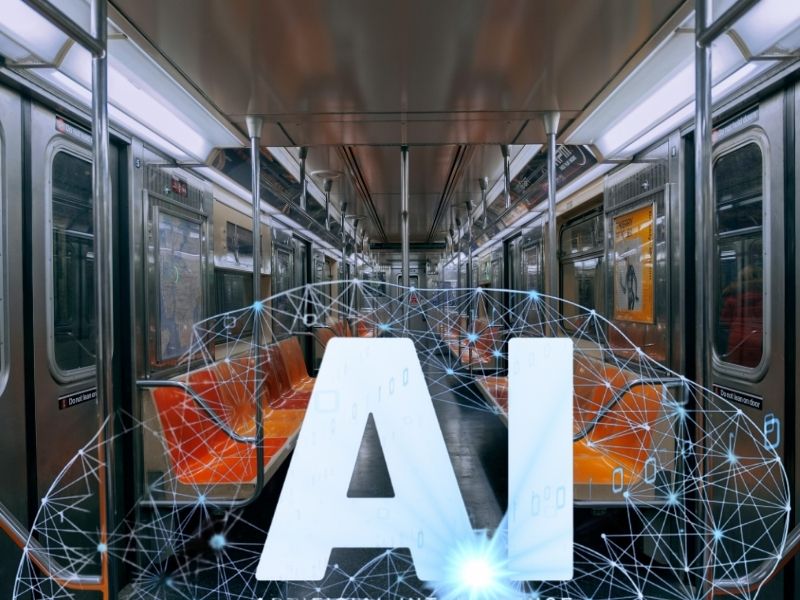



Imagine having a tireless guardian watching over you during your subway commute. It notices every detail with steady focus, all with one goal in mind: keeping you safe on the subway.
New York City’s subway system is testing artificial intelligence to boost security and reduce crime. Michael Kemper, the chief security officer for the Metropolitan Transportation Authority, which is the largest transit agency in the United States and a 33-year NYPD veteran, is leading the rollout of AI software designed to spot suspicious behavior as it happens. The MTA says this technology represents the future of subway surveillance and reassures riders that privacy concerns are being taken seriously.

How AI surveillance will work in the New York City Subway
The AI system will analyze real-time camera feeds across subway platforms and train cars to detect unusual or potentially dangerous behaviors. Instead of identifying individuals, the technology focuses on behavior patterns that might signal trouble, such as erratic movements or confrontations. When the AI flags something suspicious, it can alert transit police to respond quickly, which could help prevent crimes before they escalate.
Currently, about 40 percent of subway cameras are monitored live by staff. The AI aims to expand this coverage without needing additional personnel, which could enhance safety across the system. While details about the AI providers and full deployment timelines have not been shared, the MTA emphasizes that facial recognition technology will not be part of this system. This is intended to protect rider privacy.
DON’T MISS OUT ON THESE MEMORIAL DAY BEST DEALS & DISCOUNTS
Crime trends and government response
Crime in NYC subways has seen ups and downs over recent years. While major crimes dropped by about 7.7 percent through mid-2024, assaults have unfortunately increased. To bolster safety, New York Governor Kathy Hochul deployed 1,000 National Guard members to support transit police efforts. AI technology is viewed as a complementary tool in this broader strategy to keep subways safe, not a standalone solution.
AI CYBORG PATROLS STREETS WITH LIVE 360° TRACKING
Is AI being used in public transit elsewhere?
New York is not alone in exploring AI for transit security. Cities like Los Angeles and Chicago have experimented with AI-powered cameras for tasks ranging from weapons detection to issuing parking citations. These initiatives reflect a growing interest in using technology to enhance public safety in transit environments.

Watch the latest episode of The CyberGuy Report.

Missed this event? Sign up via the registration form and see our live recording.
See Kurt’s latest Amazon picks for useful gadgets, smart home upgrades and everyday tech worth grabbing while the deals last.
CHINA ROLLS OUT ITS CRIME-FIGHTING BALL TO CHASE DOWN CRIMINALS
Kurt’s key takeaways
While the promise of AI surveillance is encouraging, several questions remain unanswered. We do not yet know exactly which behaviors the system will flag or how effective it will be in practice. Perhaps more importantly, privacy advocates and civil liberties groups warn about potential biases in AI systems and the risk of false positives that could unfairly target certain groups. The MTA’s decision to exclude facial recognition is a positive step, but ongoing transparency and oversight will be crucial. Michael Kemper’s extensive experience leading the NYPD’s Transit Bureau, where he helped reduce subway crime, adds credibility to the initiative. Still, as this technology rolls out, balancing safety with privacy and fairness will be key to earning public trust.
Would you trust AI to watch over you in the subway, or are you more concerned about your privacy? Let us know in the comments below.
FOR MORE OF MY TECH TIPS & SECURITY ALERTS, SUBSCRIBE TO MY FREE CYBERGUY REPORT NEWSLETTER HERE
Copyright 2026 CyberGuy.com. All rights reserved. CyberGuy.com articles and content may contain affiliate links that earn a commission when purchases are made.
🎙 Now Streaming: My New Podcast: The CyberGuy Report
Kurt’s Top Deals
Deals move fast and inventory can be limited, so don’t wait too long.
| 🔥 Editor’s pick  Summer entertaining Ninja SLUSHi Machine (26% off) Frozen drinks and slushies at home in minutes. | |
| 💰 Top deal 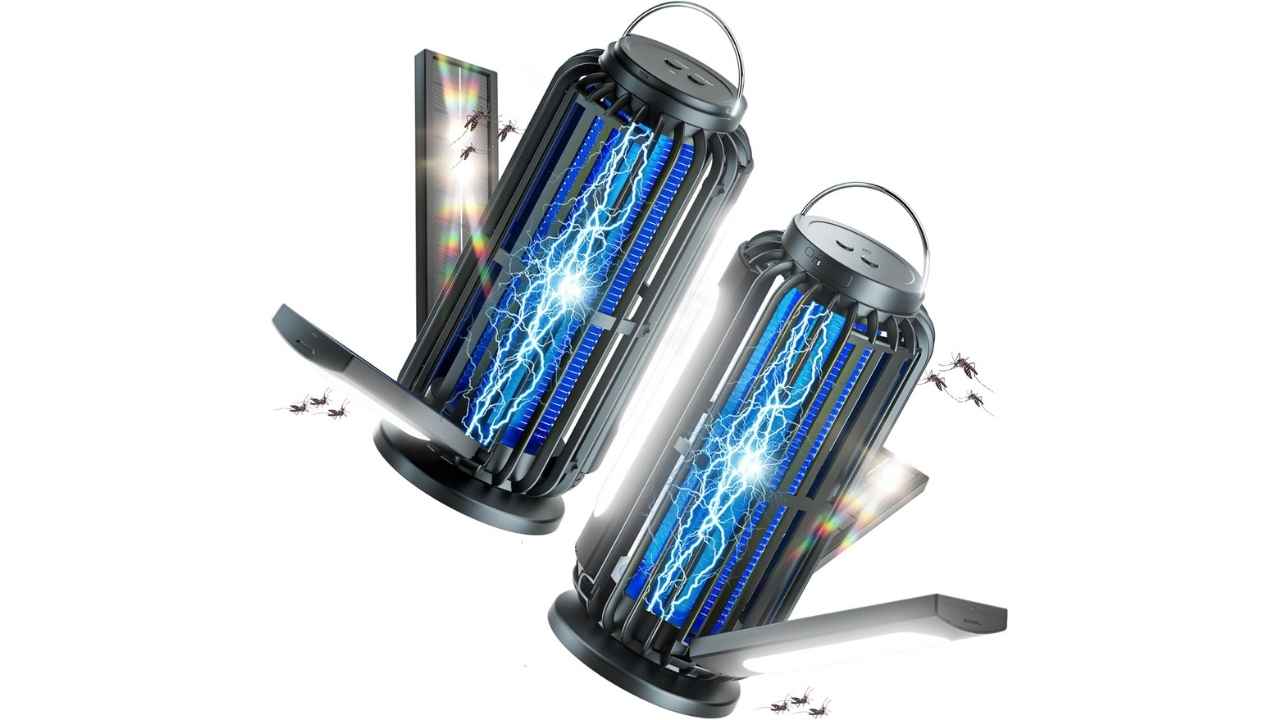 Outdoor essential TYPEC Solar Bug Zapper (36% off) Solar-powered bug zappers for patios and camping. |