



A future where every home and vehicle in the U.S. runs on electricity may sound like a clean energy dream. But according to a new Purdue University study, that vision could overwhelm the nation’s power grid and trigger expensive upgrades unless smarter strategies are put in place.

Why full electrification is a challenge
Electrifying homes would mean switching from gas heating systems to heat pumps. It would also mean replacing gas or diesel vehicles with electric cars. Kevin Kircher, an assistant professor of mechanical engineering at Purdue, explained it this way:
“If we install a whole bunch of new electric heating systems for homes and use more electric vehicles and electric water heaters, then we’re going to increase electricity demand a lot. That’s basically going to require putting in thicker wires, bigger transformers, and other infrastructure into the power grid. And if that happens, utilities will pass the cost of those upgrades to us, the customers.”
The study, published in Cell Reports Sustainability, found that reinforcing the U.S. distribution grid, which provides power to residential areas, could cost $350-$790 billion-about $2,000-$6,400 total per household between now and 2050. The largest spikes in demand would likely come from cold regions, where heating needs already push the grid to its limits.

Credit: Priyadarshan et al.
How to cut costs and avoid outages
Fortunately, the study also identified several strategies that could slash grid upgrade costs by two-thirds:
- Better insulation and air sealing: Making homes more energy efficient reduces the strain on heating systems.
- More efficient equipment: For example, using ground-source heat pumps, which rely on steady ground temperatures, instead of air-source heat pumps.
- Coordinated energy use: Adjusting when devices run, such as charging an EV at a different time than when the heat pump is active.
Priyadarshan, the study’s lead author, explained that if EVs and heating systems could communicate, they could schedule charging and heating around each other. This type of smart coordination could lower grid reinforcement costs by 40%.

What this means for you
If the U.S. pushes toward complete electrification, you’ll likely feel the impact in your wallet, either through higher utility costs or through incentives to adopt efficiency measures. Simple steps like improving insulation, upgrading to efficient appliances, and using smart chargers for EVs could help keep both your bills and the nation’s grid costs down.
Related Links:
- Why AI is causing summer electricity bills to soar
- The key to lowering your electric bill could be floating in the ocean
- 7 best ways to save money on your electricity bill
Kurt’s key takeaways
The road to a fully electrified future isn’t free of obstacles, but it doesn’t have to lead to blackouts or skyrocketing costs. By taking smarter steps today, like improving efficiency and embracing smart home technology. We can build an electrified future that balances sustainability with affordability.
Would you be willing to adjust when you charge your car or heat your home if it meant saving money and avoiding outages? Let us know your thoughts in the comments below.
FOR MORE OF MY TECH TIPS & SECURITY ALERTS, SUBSCRIBE TO MY FREE CYBERGUY REPORT NEWSLETTER HERE
Watch the latest episode of The CyberGuy Report.

Missed this event? Sign up via the registration form and see our live recording.
See Kurt’s latest Amazon picks for useful gadgets, smart home upgrades and everyday tech worth grabbing while the deals last.
Copyright 2025 CyberGuy.com. All rights reserved. CyberGuy.com articles and content may contain affiliate links that earn a commission when purchases are made.
🎙 Now Streaming: My New Podcast: The CyberGuy Report
Kurt’s Top Deals
Deals move fast and inventory can be limited, so don’t wait too long.
| 🔥 Editor’s pick  Summer entertaining Ninja SLUSHi Machine (26% off) Frozen drinks and slushies at home in minutes. | |
| 💰 Top deal 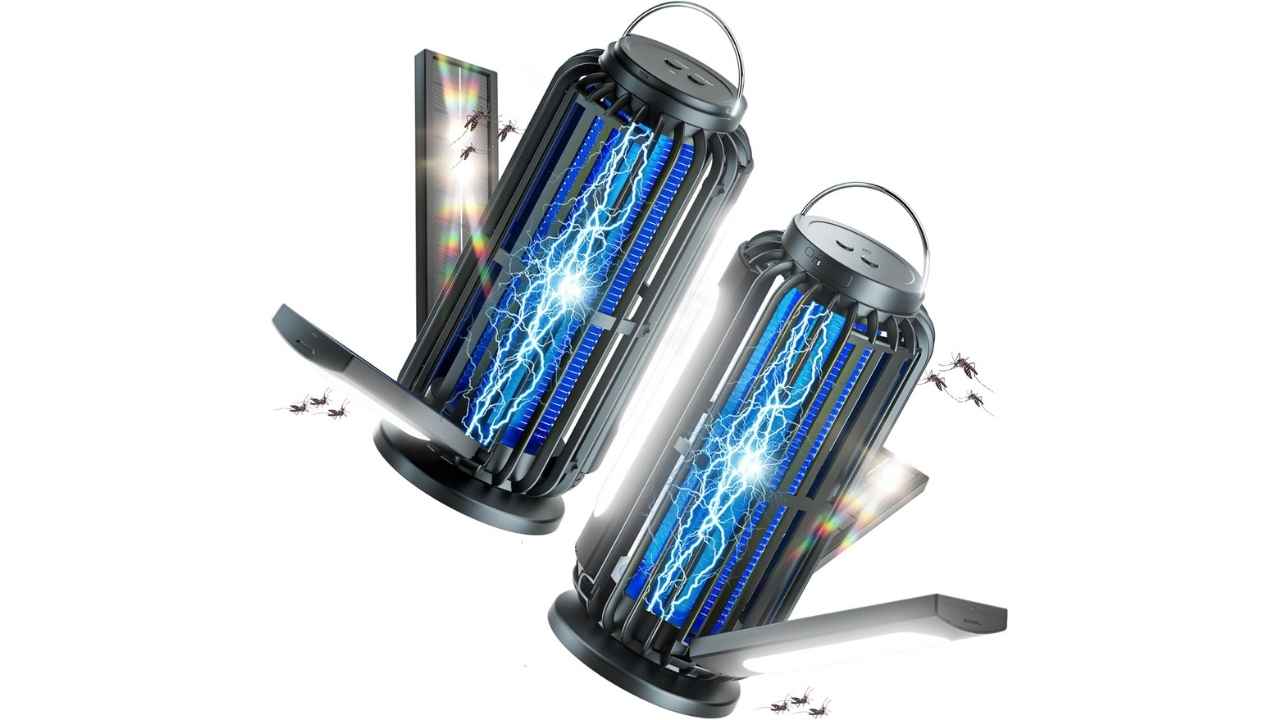 Outdoor essential TYPEC Solar Bug Zapper (36% off) Solar-powered bug zappers for patios and camping. |


