



Cybercriminals keep finding new angles to get your attention, and email remains one of their favorite tools. Over the years, you have probably seen everything from fake courier notices to AI-generated scams that feel surprisingly polished. Filters have improved, but attackers have learned to adapt. The latest technique takes aim at something you rarely think about. The subject line itself. Researchers have found a method that hides tiny, invisible characters inside the subject so automated systems fail to flag the message. It sounds subtle, but it is quickly becoming a serious problem.

How the new trick works
Researchers recently uncovered phishing campaigns that embed soft hyphens between every letter of an email subject. These are invisible Unicode characters that normally help with text formatting. They do not show up in your inbox, but they completely throw off keyword-based filters. Attackers use MIME encoded-word formatting to slip these characters into the subject. By encoding it in UTF-8 and Base64, they can weave these hidden characters through the entire phrase.
One analyzed email decoded to “Your Password is About to Expire” with a soft hyphen tucked between every character. To you, it looks normal. To a security filter, it looks scrambled, with no clear keyword to match. The attackers then use the same trick in the body of the email, so both layers slide through detection. The link leads to a fake login page sitting on a compromised domain, designed to harvest your credentials.
If you have ever tried spotting a phishing email, this one still follows the usual script. It builds urgency, claims something is about to expire, and points you to a login page. The difference is in how neatly it dodges the filters you trust.

Cyberpress
Why this phishing technique is super dangerous
Most phishing filters rely on pattern recognition. They look for suspicious words, common phrases, and structure. They also scan for known malicious domains. By splitting every character with invisible symbols, attackers break up these patterns. The text becomes readable for you but unreadable for automated systems. This creates a quiet loophole where old phishing templates suddenly become effective again.
The worrying part is how easy this method is to copy. The tools needed to encode these messages are widely available. Attackers can automate the process and churn out bulk campaigns with little extra effort. Since the characters are invisible in most email clients, even tech-savvy users do not notice anything odd at first glance.
Security researchers point out that this method has appeared in email bodies for years, but using it in the subject line is less common. That makes it harder for existing filters to catch. Subject lines also play a key role in shaping your first impression. If the subject looks familiar and urgent, you are more likely to open the email, which gives the attacker a head start.

Cyberpress
How to spot a phishing email before you click
Phishing emails often look legitimate, but the links inside them tell a different story. Scammers hide dangerous URLs behind familiar-looking text, hoping you will click without checking. One safe way to preview a link is by using a private email service that shows the real destination before your browser loads it.
Our top-rated private email provider, StartMail, includes malicious link protection that reveals full URLs before opening them. This gives you a clear view of where a link leads before anything can harm your device. It also offers strong privacy features like no ads, no tracking, encrypted messages and unlimited disposable aliases.
You can get an Exclusive deal for CyberGuy readers: 50% off: $23.98 for first year ($2.50 per month, billed annually). Includes a free 7-day trial.
Some of StartMail's best perks include:
- StartMail email address
- 20 GB of email
- Unlimited aliases
- Access email on any device
- Import your contacts easily
- No ads, no tracking
- Send encrypted emails to anyone
Why it matters: You stay anonymous, avoid data leaks, and never have to change your main email address again.
9 steps you can take to protect yourself from this phishing scam
You do not need to become a security expert to stay safe. A few habits, paired with the right tools, can shut down most phishing attempts before they have a chance to work.
Watch the latest episode of The CyberGuy Report.

Missed this event? Sign up via the registration form and see our live recording.
See Kurt’s latest Amazon picks for useful gadgets, smart home upgrades and everyday tech worth grabbing while the deals last.
1) Use a password manager
A password manager helps you create strong, unique passwords for every account. Even if a phishing email fools you, the attacker cannot use your password elsewhere because each one is different. Most password managers also warn you when a site looks suspicious.
Next, see if your email has been exposed in past breaches. Our #1 pick, NordPass, includes a built-in breach scanner that checks whether your email address or passwords have appeared in known leaks. If you discover a match, immediately change any reused passwords and secure those accounts with new, unique credentials.
- Unlimited password storage
- Secure sharing
- Password health reports
- Auto-fill and emergency access
- Data breach monitoring to alert you if your credentials have been exposed
- A Security Dashboard with tools like the Data Breach Scanner and Password Health Checker to identify weak, reused, or compromised passwords
CyberGuy Exclusive Deal: Save 52% now with CyberGuy’s exclusive NordPass offer – Get 1 extra month FREE with a 2-year plan. Try 30 days risk-free for only $1.43 per month!
2) Enable two-factor authentication
Turning on 2FA adds a second step to your login process. Even if someone steals your password, they still need the verification code on your phone. This stops most phishing attempts from going any further.
3) Install a reliable antivirus software
Strong antivirus software does more than scan for malware. Many can flag unsafe pages, block suspicious redirects, and warn you before you enter your details on a fake login page. It is a simple layer of protection that helps a lot when an email slips past filters.
The best way to safeguard yourself from malicious links that install malware, potentially accessing your private information, is to have strong antivirus software installed on all your devices. This protection can also alert you to phishing emails and ransomware scams, keeping your personal information and digital assets safe.
- Strong real-time protection against viruses, malware, ransomware and hacking attempts
- AI-powered scam protection to help identify suspicious emails, texts and websites
- Built-in password manager to securely store and manage logins
- 2 GB PC cloud backup to help protect important files from ransomware or hardware failure
- Smart firewall and phishing protection
- Protects 1, 3 or 5 devices
- Available for Windows, macOS, Android and iOS
- Includes real-time threat protection, smart firewall and phishing protection to guard against online attacks
4) Limit your personal data online
Attackers often tailor phishing messages using information they find about you. Reducing your digital footprint makes it harder for them to craft emails that feel convincing. You can use personal data removal services to clean up exposed details and old database leaks.
While no service can guarantee the complete removal of your data from the internet, a data removal service is really a smart choice. They aren’t cheap, and neither is your privacy. These services do all the work for you by actively monitoring and systematically erasing your personal information from hundreds of websites. It’s what gives me peace of mind and has proven to be the most effective way to erase your personal data from the internet. By limiting the information available, you reduce the risk of scammers cross-referencing data from breaches with information they might find on the dark web, making it harder for them to target you.
Incogni, a service I trust 100% and use myself, helps automate the process by submitting removal requests to hundreds of data brokers and people-search sites on your behalf.
Incogni automatically contacts data brokers on your behalf and requests the removal of your personal information. It also continues monitoring those sites and submits new removal requests if your data reappears.
- Incogni currently removes personal data from 420+ data broker and people-search websites, and its Unlimited plan allows you to request removals from as many additional sites as you need.
- Incogni has also received third-party assurance from Deloitte, validating its marketing claims.
- The goal is simple: make it much harder for strangers, scammers, and cybercriminals to find your personal information online.
CyberGuy readers get 60% off Incogni’s annual plans using the links in this article.
The service also includes a 30-day money-back guarantee, so you can try it risk-free and see how much of your information is exposed online.
Is your personal information exposed online?
Run a free scan to see if your personal info is compromised. Results arrive by email in about an hour.
5) Check sender details carefully
Do not rely on the display name. Always check the full email address. Attackers often tweak domain names by a single letter or symbol. If something feels off, open the site manually instead of clicking any link inside the email.
6) Never reset passwords through email links
If you get an email claiming your password will expire, do not click the link. Go to the website directly and check your account settings. Phishing emails rely on urgency. Slowing down and confirming the issue yourself removes that pressure.
7) Keep your software and browser updated
Updates often include security fixes that help block malicious scripts and unsafe redirects. Attackers take advantage of older systems because they are easier to trick. Staying updated keeps you ahead of known weaknesses.
8) Turn on advanced spam filtering or “strict” filtering
Many email providers (Gmail, Outlook, Yahoo) allow you to tighten spam filtering settings. This won’t catch every soft-hyphen scam, but it improves your odds and reduces risky emails overall.
9) Use a browser with anti-phishing protection
Chrome, Safari, Firefox, Brave, and Edge all include anti-phishing checks. This adds another safety net if you accidentally click a bad link.
Related Links:
- Beware of these fake credit card account restriction scams
- Payroll scam hits U.S. universities as phishing wave tricks staff
- From friendly text to financial trap: the new scam trend
Kurt’s key takeaway
Phishing attacks are changing fast, and tricks like invisible characters show how creative attackers are getting. It’s safe to say filters and scanners are also improving, but they cannot catch everything, especially when the text they see is not the same as what you see. Staying safe comes down to a mix of good habits, the right tools, and a little skepticism whenever an email pushes you to act quickly. If you slow down, double-check the details, and follow the steps that strengthen your accounts, you make it much harder for anyone to fool you.
Do you trust your email filters, or do you double-check suspicious messages yourself? Let us know in the comments below.
FOR MORE OF MY TECH TIPS & SECURITY ALERTS, SUBSCRIBE TO MY FREE CYBERGUY REPORT NEWSLETTER HERE
Copyright 2025 CyberGuy.com. All rights reserved. CyberGuy.com articles and content may contain affiliate links that earn a commission when purchases are made.
🎙 Now Streaming: My New Podcast: The CyberGuy Report
Kurt’s Top Deals
Deals move fast and inventory can be limited, so don’t wait too long.
| 🔥 Editor’s pick  Summer entertaining Ninja SLUSHi Machine (26% off) Frozen drinks and slushies at home in minutes. | |
| 💰 Top deal 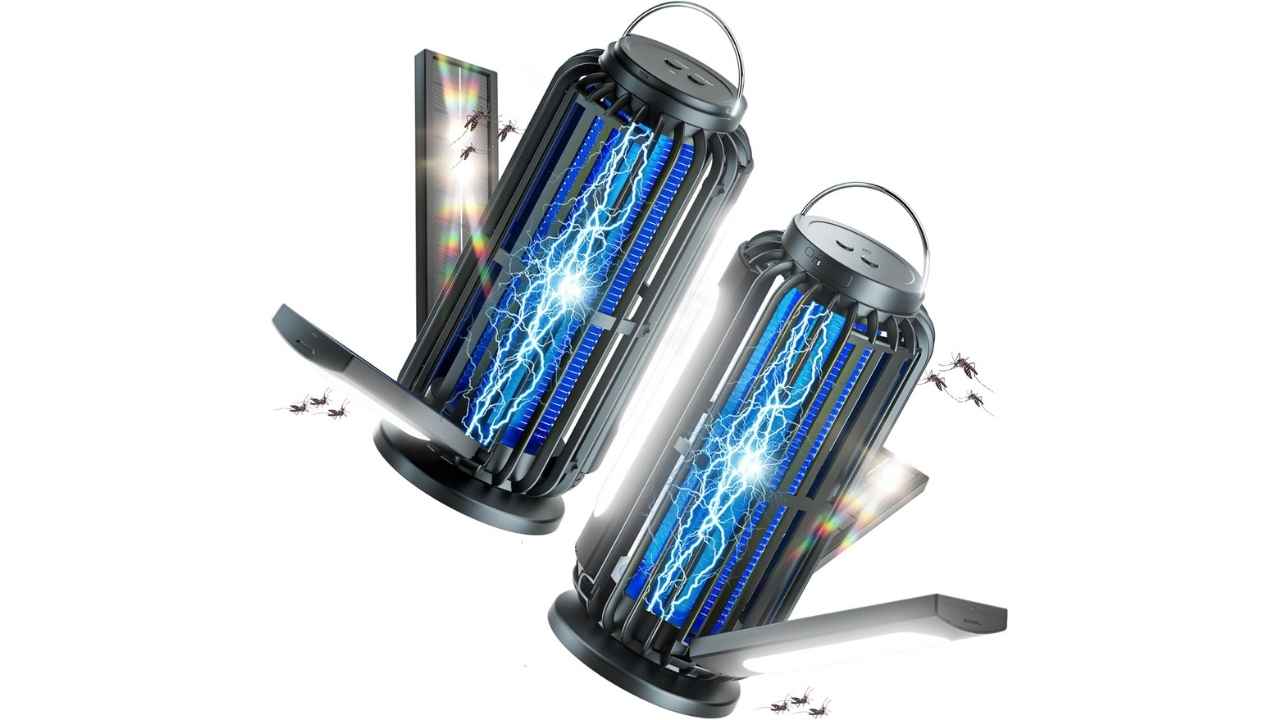 Outdoor essential TYPEC Solar Bug Zapper (36% off) Solar-powered bug zappers for patios and camping. |


