



It started with an urgent subject line: “Resolve Unusual Activity on Your American Express Account Now.” That is how one scam email tried to trick me into clicking a fake link that claimed to “verify account activity.” It looked official with logos, customer support tone, and even a partial account number. But it was a phishing attempt, a common tactic used to steal personal and financial information.
Let’s look at what made this message suspicious and how you can protect yourself.

How the phishing email scam works
Phishing emails copy trusted companies to create panic and urgency. The goal is simple: get you to click. In this case, the email claimed my American Express account was “temporarily restricted” until I verified my identity.
A closer look revealed several red flags:
- The sender’s email was not from an official American Express domain.
- The “Click Here” button linked to a strange website.
- The message used fear-based language about account suspension.
Each of these clues points to a fake email designed to steal login details or credit card numbers.

What to do if you receive a phishing email
If an email looks suspicious:
- Do not click any links.
- Check the sender’s address. Real companies use verified domains, not random ones.
- Go directly to the company website by typing the URL into your browser.
- Report the email. American Express asks customers to forward phishing messages to spoof@americanexpress.com.
- Delete the email right away.
These steps can protect you from identity theft and financial fraud.

10 tips to protect yourself from phishing emails
Phishing scams that mimic real companies like American Express can slip into your inbox looking almost legitimate. The best way to stay safe is to create strong digital habits that protect your information and your peace of mind. Here are the top ways to defend yourself against phishing threats and financial fraud.
1) Turn on two-factor authentication for financial accounts
Adding two-factor authentication (2FA) creates an extra layer of protection. Even if a scammer gets your password through a fake American Express email, they cannot access your account without your verification code. Most banks and credit card companies offer this free feature in their security settings. Enable it today and make your login stronger.
2) Consider using a data removal service
Data removal services help clean up your personal information from data broker websites that collect and sell your details to advertisers, marketers, and even scammers. Reducing your digital footprint limits the amount of information that phishing attackers can use to make fake emails look convincing. In the case of fake American Express messages, less personal data online means fewer details criminals can use to target you directly.
While no service can guarantee the complete removal of your data from the internet, a data removal service is really a smart choice. They aren’t cheap, and neither is your privacy. These services do all the work for you by actively monitoring and systematically erasing your personal information from hundreds of websites. It’s what gives me peace of mind and has proven to be the most effective way to erase your personal data from the internet. By limiting the information available, you reduce the risk of scammers cross-referencing data from breaches with information they might find on the dark web, making it harder for them to target you.
Incogni, a service I trust 100% and use myself, helps automate the process by submitting removal requests to hundreds of data brokers and people-search sites on your behalf.
Watch the latest episode of The CyberGuy Report.

Missed this event? Sign up via the registration form and see our live recording.
See Kurt’s latest Amazon picks for useful gadgets, smart home upgrades and everyday tech worth grabbing while the deals last.
Incogni automatically contacts data brokers on your behalf and requests the removal of your personal information. It also continues monitoring those sites and submits new removal requests if your data reappears.
- Incogni currently removes personal data from 420+ data broker and people-search websites, and its Unlimited plan allows you to request removals from as many additional sites as you need.
- Incogni has also received third-party assurance from Deloitte, validating its marketing claims.
- The goal is simple: make it much harder for strangers, scammers, and cybercriminals to find your personal information online.
CyberGuy readers get 60% off Incogni’s annual plans using the links in this article.
The service also includes a 30-day money-back guarantee, so you can try it risk-free and see how much of your information is exposed online.
Is your personal information exposed online?
Run a free scan to see if your personal info is compromised. Results arrive by email in about an hour.
3) Keep your browser and security software updated
Outdated browsers and antivirus programs leave gaps that scammers can exploit. Regular updates close those gaps and strengthen your defense against phishing links and malicious downloads. Set your software to update automatically so you are always protected when opening emails or clicking links.
4) Review account statements and transactions regularly
Make it a habit to log into your credit card accounts directly from the official website, not from email links. Scan your statements for unfamiliar transactions. Early detection helps you report fraud fast and recover funds before more damage is done.
5) Pause and verify before you click anything
Phishing emails thrive on urgency. Before clicking, take a deep breath and ask yourself: Does this message feel pressured or suspicious? Instead of clicking “verify now,” open a new browser tab and visit the official credit card website to check your account. This one simple pause can stop a scam in its tracks.
6) Use strong antivirus software
Good antivirus software not only blocks viruses but also warns you when a site or email is unsafe. Choose a program that includes phishing detection, real-time web protection, and email scanning. These tools can automatically block fraudulent look-alike emails before you even open them.
The best way to safeguard yourself from malicious links that install malware, potentially accessing your private information, is to have strong antivirus software installed on all your devices. This protection can also alert you to phishing emails and ransomware scams, keeping your personal information and digital assets safe.
- Strong real-time protection against viruses, malware, ransomware and hacking attempts
- AI-powered scam protection to help identify suspicious emails, texts and websites
- Built-in password manager to securely store and manage logins
- 2 GB PC cloud backup to help protect important files from ransomware or hardware failure
- Smart firewall and phishing protection
- Protects 1, 3 or 5 devices
- Available for Windows, macOS, Android and iOS
- Includes real-time threat protection, smart firewall and phishing protection to guard against online attacks
7) Use an Identity Monitoring Service
Identity monitoring services keep watch over the dark web and alert you if your personal information, such as your email address, password, or credit card number, appears in stolen data. If scammers gain access to this information, they often use it to create realistic phishing attempts, like the fake American Express “account restricted” email. Early detection through identity monitoring allows you to take action, such as changing passwords, freezing credit, or alerting your bank before real damage occurs.
Identity Theft companies can monitor personal information like your Social Security Number (SSN), phone number, and email address, and alert you if it is being sold on the dark web or being used to open an account. They can also assist you in freezing your bank and credit card accounts to prevent further unauthorized use by criminals.
One of the best parts of my top pick, Aura Identity Protection, is its all-in-one approach to safeguarding your personal and financial life. Aura includes identity theft insurance of up to $1 million per adult to cover eligible losses and legal fees, plus 24/7 U.S.-based fraud resolution support with dedicated case managers ready to help restore your identity fast.
Exclusive CyberGuy deal: Save up to 68% today: Get Aura’s award-winning identity theft protection and credit monitoring for as low as $9/month when billed annually.
See my full list of trusted identity theft protection services and expert tips to stay safe online.
8) Learn to recognize official communications
Legitimate companies like American Express will never ask for full account numbers, passwords, or security codes by email. Familiarize yourself with how real messages from your bank look and sound. If something feels off, forward the message to the company’s official fraud department and delete it immediately.
9) Back up your important data securely
If a phishing attack installs malware on your computer, it can lock or delete files. Keep secure backups on an external drive or a trusted cloud service. That way, even if scammers target your system, you will not lose access to your information.
10) Trust your instincts
If an email feels wrong, it probably is. Your intuition is one of your strongest defenses against scams. Combine it with these habits to stay ahead of cybercriminals and keep your personal and financial information safe.
Related links:
- Best Airline Credit Cards 2026
- Best Credit Card for Airport Lounge Access 2026
- Best Cash-Back Credit Cards 2026
- Best Hotel Credit Cards 2025
- Best Credit Cards for Seniors and Retirees 2026
- Best Balance Transfer Credit Cards 2026
- How to rack up points and miles for travel
- Hotel Credit Card hack: How to get free stays with rewards
Kurt’s key takeaways
Phishing scams are becoming more advanced, but your awareness is your best defense. When you know how to spot fake emails and stay calm under pressure, you protect both your money and your peace of mind. So next time you get an “urgent” message about your account, ask yourself: Would your bank really contact you this way?
Have you ever received a suspicious email like this? Tell us how you handled it in the comments below.
FOR MORE OF MY TECH TIPS & SECURITY ALERTS, SUBSCRIBE TO MY FREE CYBERGUY REPORT NEWSLETTER HERE
Copyright 2026 CyberGuy.com. All rights reserved. CyberGuy.com articles and content may contain affiliate links that earn a commission when purchases are made.
🎙 Now Streaming: My New Podcast: The CyberGuy Report
Kurt’s Top Deals
Deals move fast and inventory can be limited, so don’t wait too long.
| 🔥 Editor’s pick  Summer entertaining Ninja SLUSHi Machine (26% off) Frozen drinks and slushies at home in minutes. | |
| 💰 Top deal 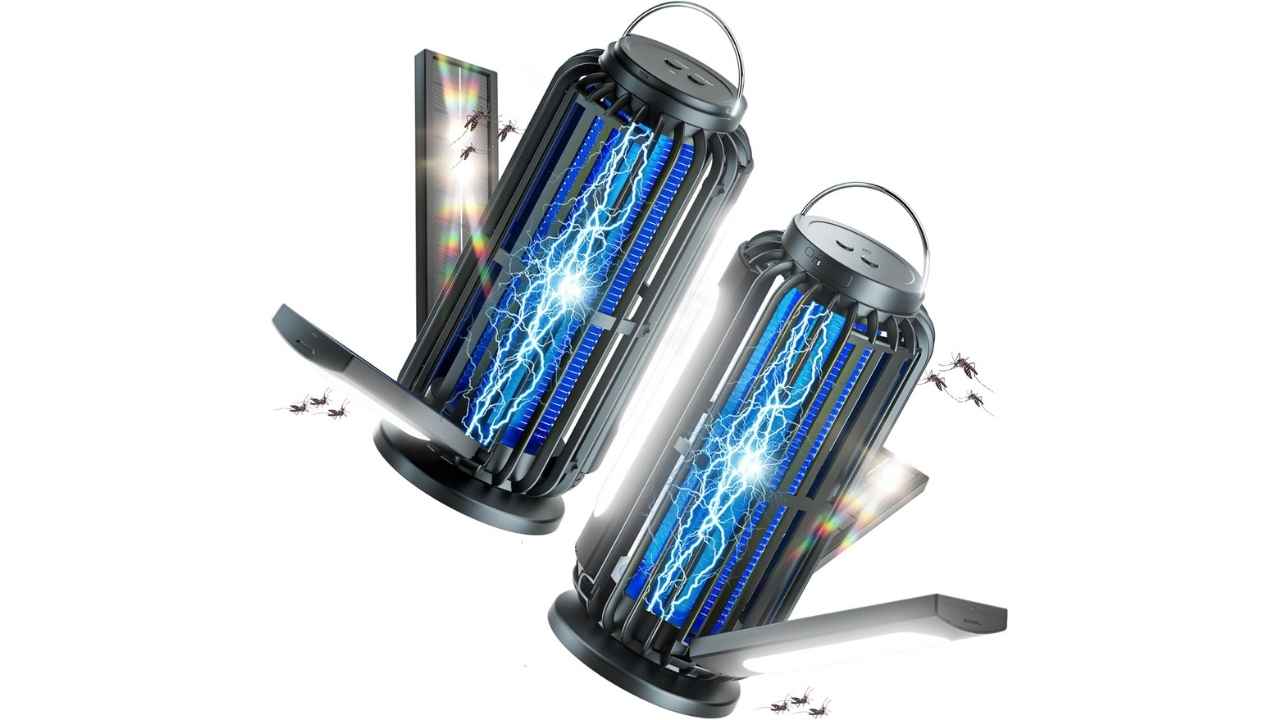 Outdoor essential TYPEC Solar Bug Zapper (36% off) Solar-powered bug zappers for patios and camping. |


2 comments
Yes DELETING the email / text msg is only 50% of what you can do. ALSO mark the message as SPAM BEFORE DELETING IT!!
This helps train your SPAM engine & database to the content contained.
Doing for yourself is GREAT, but you can also help 1000s of users recognition SPAM databases to be on the look out & move to your SPAM folder.
– Scott
meant to say at end…. help users move reported SPAM msgs to THEIR SPAM folder.