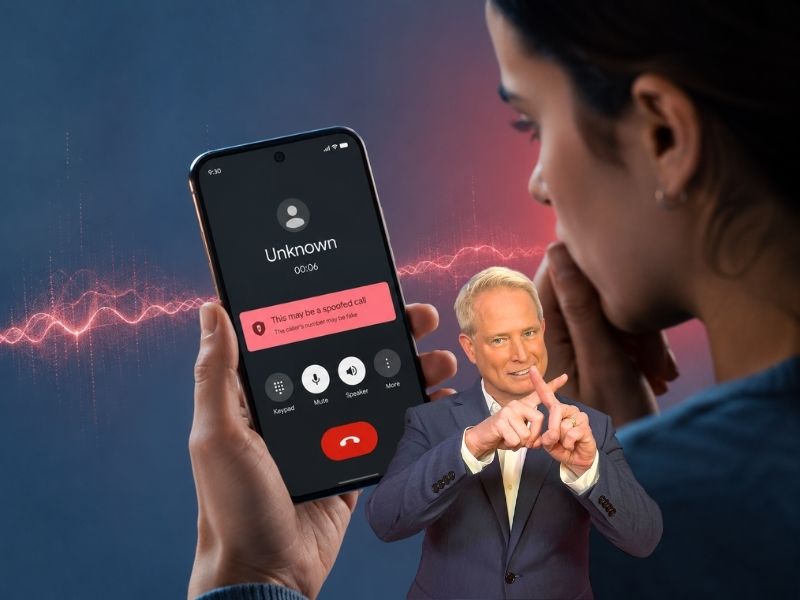



- Android’s fake call detection can warn you when a caller may be spoofing someone in your contacts.
- Scammers can combine caller ID spoofing with AI voices to make fake emergency calls sound real.
- The feature works through Phone by Google and requires both people to use compatible Android apps.
- When a call sounds urgent, hang up and call back using a number you already trust.
You know that little moment when your phone rings and the name on the screen makes you drop everything?
Maybe it says your spouse, your daughter, your boss or your best friend. You answer because you trust the name. Then the voice sounds familiar too.
That is exactly what makes the latest phone scams so dangerous.
Scammers no longer have to call from a strange number. They can spoof a trusted contact’s phone number. Then they can use AI voice tools to sound like someone you know. Android is now rolling out a new feature called fake call detection to help warn you when that familiar call may be a fake.
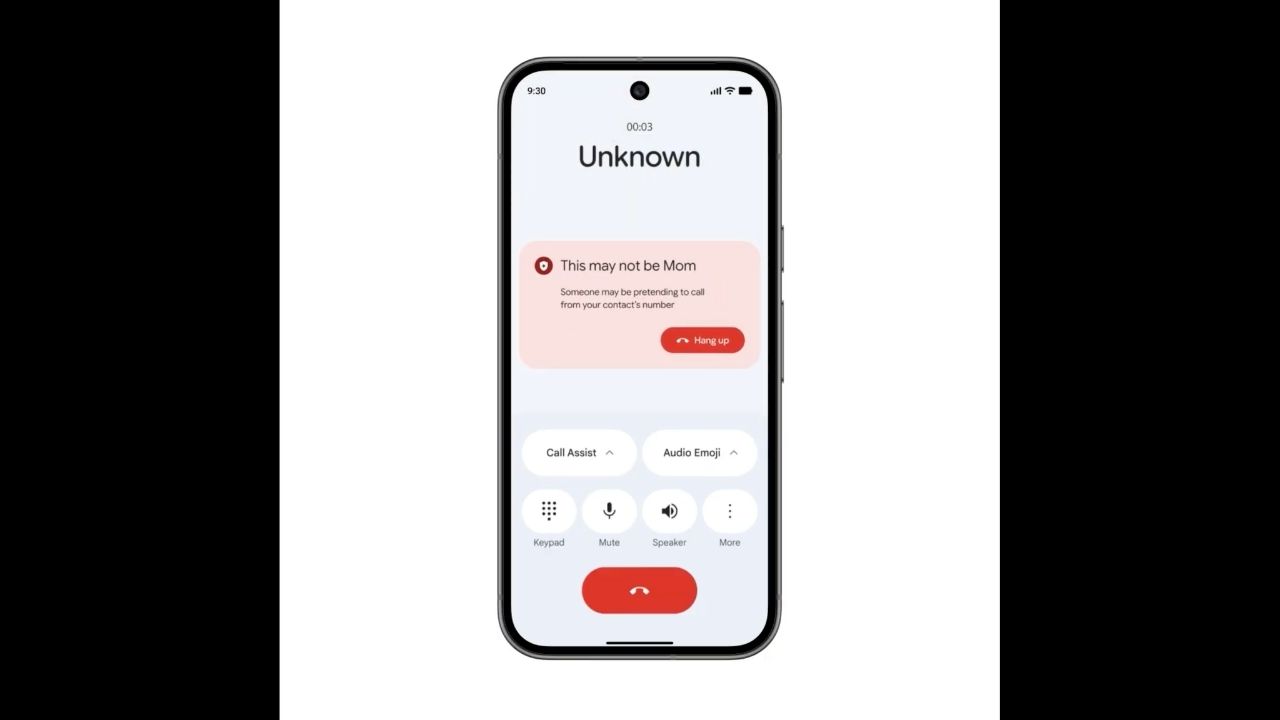
Credit: Google
What is Android fake call detection?
Android fake call detection is a new protection built into Phone by Google. It is designed to spot suspected spoofed calls when both people on the call use Phone by Google.
Think of it as your phone quietly asking, “Is this call really coming from that person’s device?” If the answer looks suspicious, your phone can show a warning and advise you to hang up. That small alert could stop a scam before fear, panic or confusion takes over.
How Android fake call detection works
The feature works automatically in the background. You do not need to answer a quiz, scan a code or press a button during the call. When a trusted contact calls you, their phone sends a silent confirmation signal to your phone. That signal helps prove the call really came from their device.
If a scammer spoofs your contact’s number, that confirmation signal may be missing. Your phone then checks with your contact’s actual device. If the real device says it is not placing a call, your screen can warn you that the call may be fake.
The system uses end-to-end encrypted RCS technology, so the check happens privately. You can also turn the feature off in Phone by Google settings.

Credit: Google
Why fake calls are getting harder to spot
For years, caller ID gave people a sense of control. If the name looked familiar, most of us felt safer picking up. That old habit now works in the scammer’s favor.
Scammers can use internet-based calling tools to spoof numbers. That means your phone may display the name of someone you trust, even though the call comes from somewhere else.
Then comes the AI voice trick. With today’s audio tools, scammers can make a fake voice sound shockingly real. They may pretend to be a family member in trouble, a bank employee warning about fraud or a manager asking for urgent help.
A Texas mom says she spent the night in jail after speaking up online about dirty water in her town. The case was later dropped, but her story raises a troubling question: could something you post online ever put you at risk?

Join Kurt this Saturday, June 13 at 10 AM ET for quick phone privacy and security fixes.
See Kurt’s 2026 picks for practical tech and everyday upgrades.
That combination makes the call feel personal and immediate. It also makes you more likely to act before you think.
Why Android is adding this protection now
Impersonation scams have become a major global problem. INTERPOL’s March 2026 Global Financial Fraud Threat Assessment cited impersonation fraud as one of the leading contributors to more than $400 billion in global losses.
In the U.S., impersonation scams remain one of the top fraud categories reported to the FTC. Losses reached $2.95 billion in 2024.
Those numbers tell you why this feature deserves attention. Scammers go where the money is. Right now, they know trusted voices and trusted names can open the door.

Which Android phones get fake call detection?
Google says fake call detection is rolling out globally in Phone by Google this month, starting with Pixel devices.
The feature is available on Android 12 and newer devices with Phone by Google, Contacts and Google Messages installed. It also requires RCS capability in Google Messages.
There is one key limitation. Both you and the person calling you must use Phone by Google for fake call detection to work.
Phone by Google already comes as the default phone app on many Android devices. If your phone uses a different calling app, you can install Phone by Google from the Play Store and set it as your default phone app.
How Android fake call detection protects you
This feature gives you an extra warning at the exact moment you need it most. That timing is important. Scam calls often rely on emotion. The caller may say someone got arrested, a loved one had an accident or a bank account faces an urgent threat.
When the voice sounds familiar, your guard drops. A warning on your screen can interrupt that emotional rush. It gives you a reason to stop, hang up and verify the story another way.
What Android fake call detection cannot do
This new tool helps, but it cannot protect you from every scam. It may not work if the other person does not use Phone by Google. It also may not cover calls from businesses, unknown numbers or contacts using unsupported devices. So you still need basic scam rules.
If someone asks for money, gift cards, crypto, account codes or remote access to your device, hang up. Then call the person or company back using a number you already trust.
Also, never stay on the line just because the caller tells you to. That is one of the oldest pressure tactics in the scammer playbook.
How to protect yourself from AI voice scams
AI voice scams work because they sound personal, urgent and believable, so your best defense is to slow the conversation down before you act.
1) Create a family safe word
Pick a simple word or phrase that only your close family knows. It should be easy to remember but hard for a scammer to guess. Then, if someone calls with an emergency and asks for money, ask for the safe word. If they cannot give it, hang up and verify the story another way.
2) Pause when the call feels urgent
Scammers want you scared because fear makes people act fast. That is why fake emergency calls often sound intense, emotional and rushed. Take a breath before you do anything. A real loved one, bank or employer will let you verify what is happening.
3) Call back using a trusted number
If a call feels suspicious, hang up. Then call the person back using a number saved in your contacts or one you know is real. Do not use a number, link or instruction the caller gives you. That could send you right back to the scammer.
4) Never send money or codes during the call
Do not send gift cards, crypto, wire transfers or payment app transfers because a caller sounds convincing. Also, never share a one-time passcode, PIN or account login code over the phone. Once scammers get that information, they can move fast.
5) Turn on scam protections on your phone
Use the built-in protections already available on your device. Pixel and Samsung users can enable Scam Detection in the Phone by Google app to help flag suspicious calls. Also, consider using strong antivirus software, such as Norton Antivirus Plus, which includes AI-powered scam protection to help detect scams in texts, online content and deepfake videos. Keep an eye on call warnings too. If your phone tells you something looks risky, treat that alert seriously.
- Strong real-time protection against viruses, malware, ransomware and hacking attempts
- AI-powered scam protection to help identify suspicious emails, texts and websites
- Built-in password manager to securely store and manage logins
- 2 GB PC cloud backup to help protect important files from ransomware or hardware failure
- Smart firewall and phishing protection
- Protects 1, 3 or 5 devices
- Available for Windows, macOS, Android and iOS
- Includes real-time threat protection, smart firewall and phishing protection to guard against online attacks
6) Keep your phone apps updated
Update Phone by Google, Google Contacts and Google Messages when updates are available. These tools work best when your apps and phone software stay current. Updates often include security improvements, bug fixes and new scam protections.
Here’s how to check for updates on Android:
- Open the Google Play Store app.
- Tap your profile icon in the top right corner.
- Tap Manage apps & device.
- Under Updates available, tap See details.
- Look for Phone by Google, Google Contacts and Google Messages.
- Tap Update next to each app, or tap Update all.
You can also turn on automatic app updates by opening the Google Play Store app, tapping your profile icon, then going to Settings > Network preferences > Auto-update apps. From there, choose whether to update apps over Wi-Fi, over Wi-Fi or mobile data, with limited mobile data or not at all.
Related Links:
- FTC reveals where spam calls hit hardest
- AI cybersecurity risks and deepfake scams on the rise
- FCC robocall crackdown could change phone privacy
Kurt’s key takeaways
Android’s fake call detection is a smart step in the fight against AI-powered phone scams. It recognizes something many people already know: the name on your caller ID no longer proves the person calling you is real. This feature gives Android users another layer of protection when scammers try to hijack trust. Still, the safest move remains simple. Slow down, verify the call and never let panic make the decision for you.
Should the government do more to stop scammers from using AI voices to impersonate the people you trust? Let us know your thoughts in the comments below.
FOR MORE OF MY TECH TIPS & SECURITY ALERTS, SUBSCRIBE TO MY FREE CYBERGUY REPORT NEWSLETTER HERE
Copyright 2026 CyberGuy.com. All rights reserved. CyberGuy.com articles and content may contain affiliate links that earn a commission when purchases are made.
🎙 Now Streaming: My New Podcast: The CyberGuy Report
Kurt’s Top Deals
Deals move fast and inventory can be limited, so don’t wait too long.
| 🔥 Editor’s pick  Summer entertaining Ninja SLUSHi Machine (26% off) Frozen drinks and slushies at home in minutes. | |
| 💰 Top deal  Outdoor essential TYPEC Solar Bug Zapper (36% off) Solar-powered bug zappers for patios and camping. |