



A guy loses 91 pounds with an artificial intelligence eating app. It’s true.
AI nutrition is the new focus of tapping technology in concert with information and lab work to create a healthy outcome.
Out: the word “diet”.
What’s In: “AI eating”.
How’d you lose all that weight? An algorithm.
One app called “Day Two” combines lab work like a stool sample along with your own health responses to chart a path forward to healthier eating. They are focused on metabolic disease but They take your unique data and put it through a machine learning algorithm to determine which foods are good and bad for you.
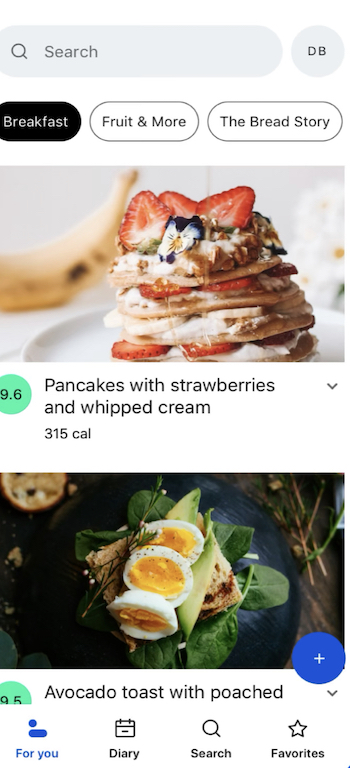
AI eating app Day Two screenshot from app store
Here’s the thing. After traditional diets failed, a guy using Day Two app now reports his diabetes is in remission. Weight loss was a side effect of a goal to lower his A1C to get diabetes under control. No other diet had worked up until now.
320 pounds to 229 pounds with an AI eating app
Part of the success comes from ignoring older diets and embracing new tools to maximize nutrition unique to you.
AI nutrition apps have created an algorithm to make the most out of your own state of health, how you say you feel, what foods you put in your mouth and studying your gut microbiome.
The secret sauce is in your gut
That stool sample says a lot about the good and bad bacteria, fungi and viruses that naturally live inside us all. Microbiomes are an important part of our immune system and play a big role in how we digest food to produce energy.
Knowing how your body is reacting to certain foods can now be better predicted by the AI eating app developers knowing more about your health before recommending a healthy balance of nutrition.
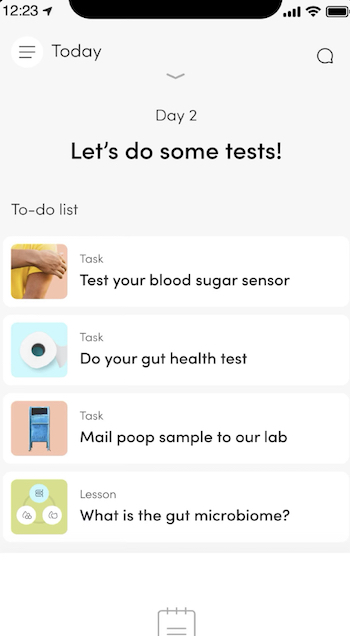
AI eating app Zoe from app store
Another app getting a lot of buzz in this growing space is Zoe app. Zoe similarly taps tech to come up with meal scores for those willing to shell out $59 per month. Zoe takes it a step further by analyzing your blood levels and pinpointing your sugar glucose response levels.
Promising weight loss without the four letter word ‘diet’
While we’re seeing promising testimonials, watch out for any app making health claims without offering scientific research to back it up.
How one convincing SSA scam nearly tricked a reader, and the five red flags to check before you click.

Join Kurt Saturday, June 13 at 10 AM ET for quick phone privacy and security fixes.
See Kurt’s 2026 picks for practical tech and everyday upgrades.
Algorithm nutrition study gets $170 million
We are watching an interesting National Institutes for Health nutrition for precision health research program. The NIH nutrition study has a focus to put science to how well algorithms can predict our responses to certain foods.
That may help put some scientific proof and better understanding behind how well these new AI eating apps are helping people achieve greater health. Follow my advice for tech, and always speak with your doctor before embracing any new health technology.
Related