



A teenager in New Jersey has filed a major lawsuit against the company behind an AI “clothes removal” tool that allegedly created a fake nude image of her. The case has drawn national attention because it shows how artificial intelligence can invade privacy in harmful ways. The lawsuit was filed to protect students and teens who share photos online and to show how easily AI tools can exploit their images.

Credit: AI/Robotics Venture Strategy 3 Ltd.
How the fake nude images were created and shared
When she was fourteen, the plaintiff posted a few photos of herself on social media. A male classmate used an AI tool called ClothOff to remove her clothing in one of those pictures. The altered photo kept her face, making it look real.
The fake image quickly spread through group chats and social media. Now seventeen, she is suing AI/Robotics Venture Strategy 3 Ltd., the company that operates ClothOff. A Yale Law School professor, several students, and a trial attorney filed the case on her behalf.
The suit asks the court to delete all fake images and stop the company from using them to train AI models. It also seeks to remove the tool from the internet and provide financial compensation for emotional harm and loss of privacy.
The legal fight against deepfake abuse
States across the U.S. are responding to the rise of AI-generated sexual content. More than forty-five states have passed or proposed laws to make deepfakes without consent a crime. In New Jersey, creating or sharing deceptive AI media can lead to prison time and fines.
At the federal level, the Take It Down Act requires companies to remove nonconsensual images within forty-eight hours after a valid request. Despite new laws, prosecutors still face challenges when developers live overseas or operate through hidden platforms.
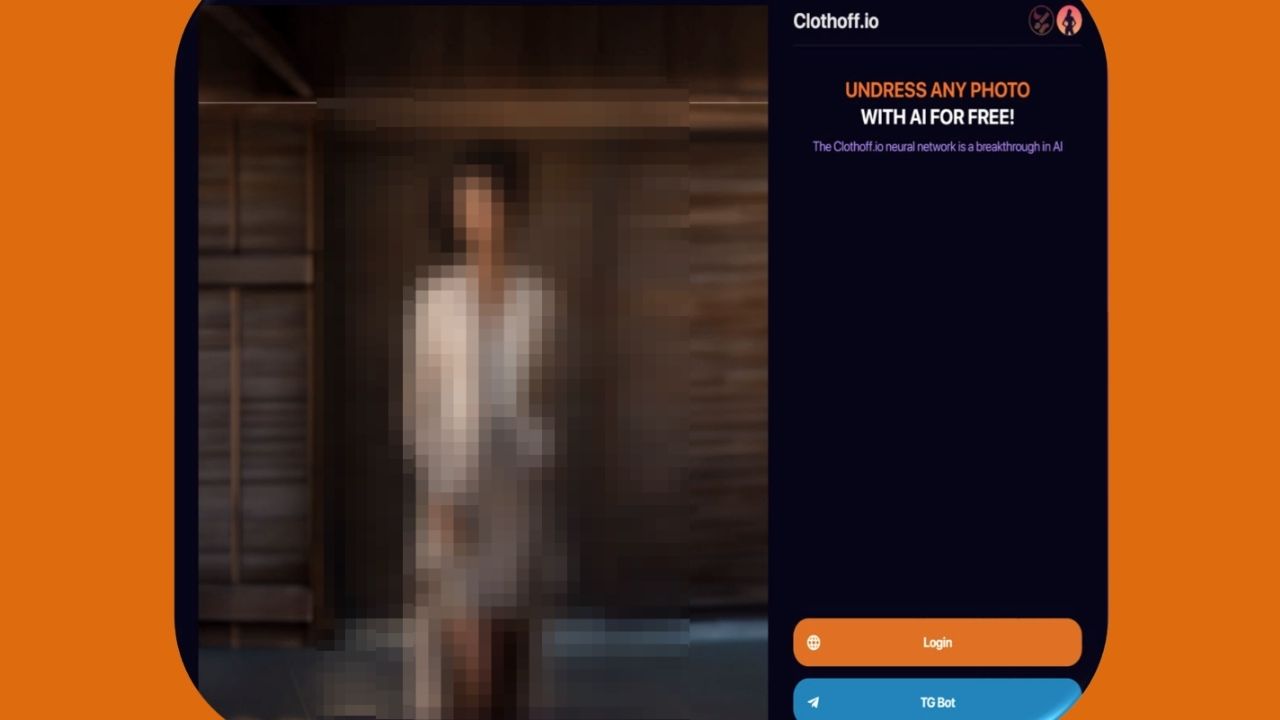
AI/Robotics Venture Strategy 3 Ltd.
Why legal experts say this case could set a national precedent
Experts believe this case could reshape how courts view AI liability. Judges must decide whether an AI developer is responsible when people misuse their tool. They also need to consider whether the software itself can be an instrument of harm.
The lawsuit highlights another question: how can victims prove damage when no physical act occurred, but the harm feels real? The outcome may define how future deepfake victims seek justice.
Is Clothoff still available?
Reports indicate that ClothOff may no longer be accessible in some countries, such as the United Kingdom, where it was blocked after public backlash. However, users in other regions, including the U.S., still appear able to reach the company’s web platform, which continues to advertise tools that “remove clothes from photos.”
On its official website, the company includes a short disclaimer addressing the ethics of its technology. It states,
“Is it ethical to use AI generators to create images? Using AI to create ‘deepnude’ style images raises ethical considerations. We encourage users to approach this with an understanding of responsibility and respect for others’ privacy, ensuring that the use of undress app is done with full awareness of ethical implications.”
Whether fully operational or partly restricted, ClothOff’s ongoing presence online continues to raise serious legal and moral questions about how far AI developers should go in allowing such image-manipulation tools to exist.

Watch the latest episode of The CyberGuy Report.

Missed this event? Sign up via the registration form and see our live recording.
See Kurt’s latest Amazon picks for useful gadgets, smart home upgrades and everyday tech worth grabbing while the deals last.
Why this AI lawsuit matters for everyone online
The ability to make fake nude images from a simple photo threatens anyone with an online presence. Teens face special risks because AI tools are easy to use and share. The lawsuit draws attention to the emotional harm and humiliation caused by such images.
Parents and educators worry about how quickly this technology spreads through schools. Lawmakers are under pressure to modernize privacy laws. Companies that host or enable these tools must now consider stronger safeguards and faster takedown systems.
What this means for you
If you become a target of an AI-generated image, act quickly. Save screenshots, links, and dates before the content disappears. Request immediate removal from websites that host the image. Seek legal help to understand your rights under state and federal law.
Parents should discuss digital safety openly. Even innocent photos can be misused. Knowing how AI works helps teens stay alert and make safer online choices. You can also demand stricter AI rules that prioritize consent and accountability.
Related Links:
- Meta strengthens teen safety with expanded accounts
- ChatGPT adds parental controls for teens
- ChatGPT may alert police on suicidal teens
Kurt’s key takeaways
This lawsuit is not only about one teenager. It represents a turning point in how courts handle digital abuse. The case challenges the idea that AI tools are neutral and asks whether their creators share responsibility for harm. We must decide how to balance innovation with human rights. The court’s ruling could influence how future AI laws evolve and how victims seek justice.
If an AI tool creates an image that destroys someone’s reputation, should the company that made it face the same punishment as the person who shared it? Let us know your thoughts in the comments below.
FOR MORE OF MY TECH TIPS & SECURITY ALERTS, SUBSCRIBE TO MY FREE CYBERGUY REPORT NEWSLETTER HERE
Copyright 2025 CyberGuy.com. All rights reserved. CyberGuy.com articles and content may contain affiliate links that earn a commission when purchases are made.
🎙 Now Streaming: My New Podcast: The CyberGuy Report
Kurt’s Top Deals
Deals move fast and inventory can be limited, so don’t wait too long.
| 🔥 Editor’s pick  Summer entertaining Ninja SLUSHi Machine (26% off) Frozen drinks and slushies at home in minutes. | |
| 💰 Top deal 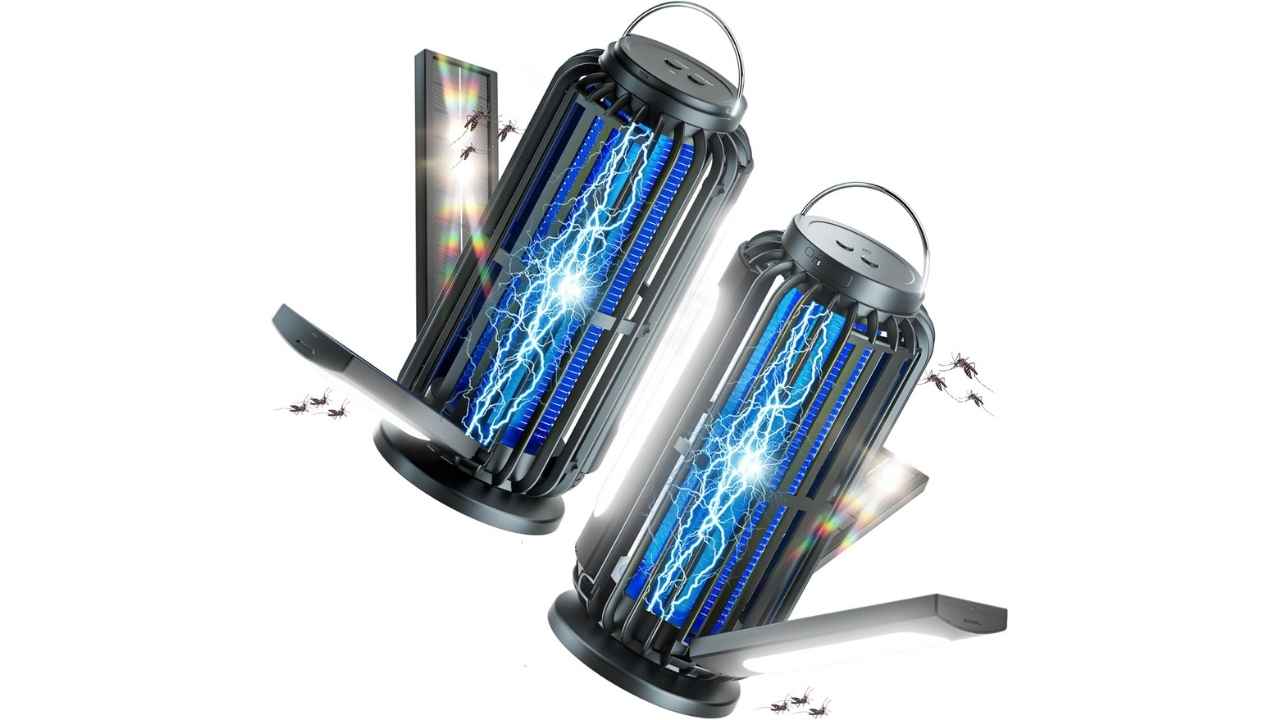 Outdoor essential TYPEC Solar Bug Zapper (36% off) Solar-powered bug zappers for patios and camping. |


1 comment
This has the aire of a 2nd amendment case! Does a gun manufacturer bear responsibility of the misuse of their product? Guns don’t point and fire at human targets on their own. In this case the AI software has a target of removing clothes on any target and in this case a minor. The software company probably has deeper pockets but how about the photographer or the digital editor who made the change. It’s very easy with photoshop to clone a head on the nude body? One more detail, how about the online site promoting the photo?