



Many people don’t know that they can automate certain tasks on their Android devices. These automations can save them time and streamline their workflows, and they only take a few taps to set up. It can take some trial and error to figure out which automations work for you, but the good news is that we have 10 of them you can try right now.
Note: We are using a Samsung Galaxy phone for this guide. Due to Android phones having different user interfaces, depending on the manufacturer, the steps might be slightly different on your device.

1) How to schedule “Do Not Disturb” mode on Android
If you have a well-defined work schedule, automating when Do Not Disturb (DND) mode turns on and off ensures uninterrupted focus during those times.
Here’s how you can set it up:
- Go to Settings
- Click Modes and Routines.
- Tap Add Mode.
- Give the mode a name, such as “Turn on DND,” and tap Done.

- Tap Turn on automatically.
- Tap Time period.
- In the Time section, set when you want the mode to be enabled and disabled, and tap Done.
- Tap Done.

Now you need to choose what the mode does. Follow the steps below:
- In the Choose what this mode does section, tap Stay focused.
- Tap Do not disturb.
- Tap Done.

ANDROID SCAM LETS HACKERS USE YOUR CREDIT CARD REMOTELY
2) How to schedule text messages on Android
You might need to send a message later, but you might not always remember to do so. Luckily, your Android allows you to schedule it to go out at a specific time in case you’re tied up.
How one convincing SSA scam nearly tricked a reader, and the five red flags to check before you click.

Join Kurt Saturday, June 13 at 10 AM ET for quick phone privacy and security fixes.
See Kurt’s 2026 picks for practical tech and everyday upgrades.
Open the Messages app and compose your message as you normally would. Instead of sending the message, do this instead:
- Tap and hold the Send button until the Schedule send menu appears.
- Select one of the dates and times or enter a custom one.

- The message will be sent automatically at the scheduled time.
BEST ANTIVIRUS FOR ANDROIDS – CYBERGUY PICKS 2025
3) How to automatically silence your Android phone at night
Setting up a bedtime mode on your phone ensures you can sleep through the night without interruptions from your Android phone. It simply silences notifications and minimizes distractions automatically.
To set it up, you will need to create a sleep routine. Follow the steps below:
- Go to Settings
- Click Modes and Routines.
- Tap Sleep.
- Tap Turn on automatically.

- Tap Sleep schedule.
- Set your sleep schedule. You can also tweak other settings, such as Alarm sound and Snooze. Afterward, tap Save.
- Tap Done.

HOW TO UPDATE YOUR PIN OR PASSWORD ON YOUR ANDROID
4) Enable Google Autofill to save time on Android
Enabling Google Autofill can save precious time by automatically filling in forms, passwords, and payment details across apps and websites. Here’s how to enable it:
- Go to Settings
- Click Google.
- Select the All services tab and tap Autofill.
- Toggle on Use Autofill with Google.

5) Set up automatic battery saver mode on Android
Setting your phone to automatically switch to power-saving mode when the battery gets low helps you conserve battery life, with no manual intervention required.
Let’s start by setting up the time period for when you want the phone to turn on power-saving mode. Follow these steps:
- Go to Settings
- Click Modes and Routines.
- Tap Add Mode.
- Give the mode a name, such as “Turn on power saving.”
- Tap Done.
- Tap Turn on automatically.
- Tap Time period.
- In the Time section, set when you want the mode to be enabled and disabled.
- Tap Done.
Now you need to set it to switch to power-saving mode at the set time. Follow these steps:
- In the Choose what this mode does section, tap Other actions.
- Tap Power saving.
- In the prompt, tap the On radio button and then Done.
- Tap Done.

6) Restrict app usage during work hours on Android
Social media, games, and other time-consuming apps can be a hindrance when you need to focus on work. This automation is a good one for automatically blocking them during work hours and unblocking them when you’re out of the office. To set it up, you must first set the period with the steps below:
- Go to Settings
- Click Modes and Routines.
- Tap Add Mode.
- Give the mode a name, such as “Block Apps During Work.”
- Tap Done.
- Tap Turn on automatically.
- Tap Time period.
- In the Time section, set when you want the mode to be enabled and disabled.
- Tap Done.
Now to restrict the apps:
- In the Choose what this mode does section, tap Stay focused.
- Tap Restrict app usage.
- Select the apps you want restricted when the focus mode is on. Then, tap Done.
- Tap Done.

7) Automatically enable dark mode on Android at night
It’s always a good idea to enable dark mode during the evening hours. That way, you can reduce eye strain in low-light conditions. Here’s how you can do that:
- Open Settings
- Click Display.
- Tap Dark mode settings.
- Tap Turn on as scheduled.
- Tap Custom schedule.
- Tap Set schedule — the ideal time would be between 6 PM to 6 AM.
- Set the start and end times of the dark mode.
- Tap Done in the prompt.

HOW TO HIDE APPS ON YOUR ANDROID TO KEEP THEM SECRET
8) Turn Wi-Fi on or off automatically based on location on Android
This location-based Wi-Fi automation helps conserve battery life and enhance security by automatically connecting to trusted networks when you’re at specific locations, like at home or work. It will remain disconnected everywhere else. Here are the steps to do that:
- Open Settings > Connections > Wi-Fi.
- Tap the three-dot icon in the top-right corner.
- Tap Intelligent Wi-Fi in the menu.
- Toggle on Turn Wi-Fi on/off automatically.

9) Automatically back up photos and videos on Android
By automating your photo backups, you’ll never have to manually save or transfer photos again. They’ll automatically sync to the cloud whenever you take new pictures, giving you peace of mind that your memories are always protected.
While there are several apps you can use to do this, we will use Google Photos. Here are the steps:
- In the Google Photos app, tap the profile picture icon in the top right corner.
- Tap Photo settings.
- Tap Backup.
- Toggle on Back up photos and videos in your camera folder.

10) Enable auto-rotate for specific apps on Android
It’s understandable to disable auto-rotation to prevent the screen from unintentionally rotating when you move your device. However, you might want it to turn on again when, for example, watching a movie on Netflix or viewing a photo. To save yourself some frustration, it’s best to automate the process. First, let’s create the routine with the steps below:
- Go to Settings > Modes and Routines.
- Tap the Routines tab in the bottom menu.
- Tap the plus icon in the top menu.

- Tap Add what will trigger this routine under the IF section.
- Scroll down to the Event section and tap App opened.
- Select your media apps, and then tap Done.

- Tap Add what this routine will do in the Then section.
- Tap All actions.
- Scroll down to the Display section and tap Screen orientation.
- In the pop-up, select Auto rotate and then tap Done.

- Tap Save.
- Give the routine a name and tap Done.
BEST FATHER’S DAY GIFTS FOR EVERY DAD
Kurt’s key takeaways
Automation isn’t just about convenience. It’s about creating habits that improve the way your Android phone works for you, especially in scenarios where it seems like it’s working against you (e.g., causing too many distractions). Your Android phone is smarter than you think. While many of these automations can work for you as is, don’t be afraid to tweak them to your particular scenario.
What tedious task are you going to automate now that you know how to go about it? Let us know in the comments section below.
FOR MORE OF MY TECH TIPS & SECURITY ALERTS, SUBSCRIBE TO MY FREE CYBERGUY REPORT NEWSLETTER HERE
var urlstring = window.location.href; var pos = urlstring.indexOf(“?”); var utmval = (pos > 0) ? urlstring.substring(urlstring.indexOf(‘.com’)+4, pos) : urlstring.substring(urlstring.indexOf(‘.com’)+4);
(new Image()).src = ‘https://capi.connatix.com/tr/si?token=a6b36777-dd0d-437e-87a9-4986ea4cc3c8&cid=4817064f-e987-4245-98a4-e3bea43b0574’; cnx.cmd.push(function() { cnx({ playerId: “a6b36777-dd0d-437e-87a9-4986ea4cc3c8”, customParam1: utmval }).render(“cafb7edc66be42d199a22b6bd5f556da”); });
🎙 Now Streaming: My New Podcast: The CyberGuy Report
Kurt’s Top Deals
Deals move fast and inventory can be limited, so don’t wait too long.
| 🔥 Editor’s pick  Summer entertaining Ninja SLUSHi Machine (26% off) Frozen drinks and slushies at home in minutes. | |
| 💰 Top deal 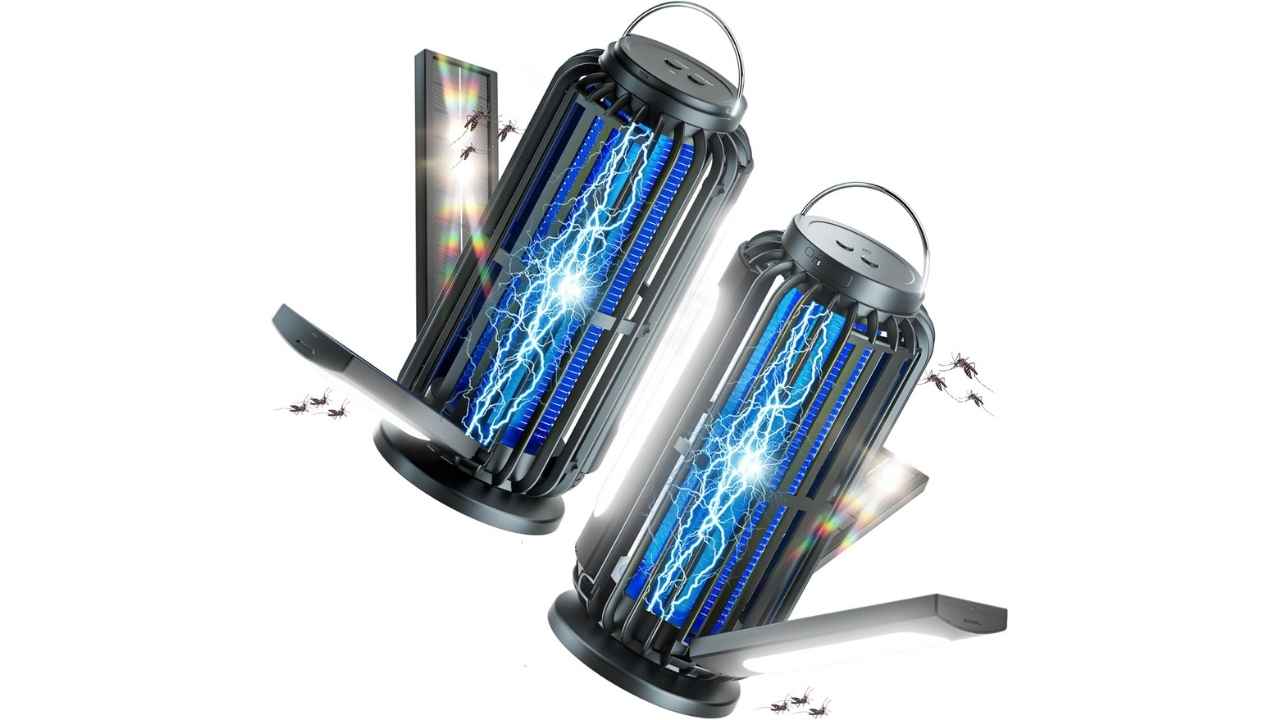 Outdoor essential TYPEC Solar Bug Zapper (36% off) Solar-powered bug zappers for patios and camping. |


2 comments
I’M STILL TRYING TO FIGURE OUT HOW TO ATTACH A PHOTO TO A TEXT MESSAGE ON MY SAMSUNG GALAXY S24 FE!
HELP, PLEASE!
To attach a photo to a text message on your Samsung Galaxy S24 FE, start by opening the Messages app and either begin a new message or tap on an existing conversation. Next, look for the “+” or paperclip icon near the message input field—if you don’t see either, tap the small arrow to expand more options. Then select “Gallery” to choose a photo from your phone or “Camera” to take a new one. Once you pick the photo, it will appear in your message. Just hit the send button and your photo will be on its way.