



TIME magazine released its annual list of the best inventions of 2025, and I wanted to highlight a few standouts. This was a massive year for technology growth. I was blown away by the ideas that came out of it. Here are some of my favorite picks.

The Light Phone III

The Light Phone III takes the minimalist phone trend further. It removes many of the distractions people want to avoid. There is no browser, social media, or app store. You get calls, texts, a camera, simple navigation, a directory, and a 5G hotspot. This upgrade adds a monochrome touchscreen, more memory, a rear camera, and better connectivity. If you want less noise in your daily life, this phone gives you that option while keeping key tools within reach.The Light Phone III is now available to pre-order for $699. Deliveries are set to begin in February 2026. Orders ship in the order they are received.
It is an unlocked 5G and 4G LTE phone. You can cancel your pre-order anytime before shipping for a full refund. The company confirms your address before the device ships.
You can check the full specifications and confirm carrier compatibility on the Light Phone site.
The 70mai Dash Cam 4K Omni

The 70mai Dash Cam 4K Omni takes a big leap forward from the standard dash cam setup. Instead of using several fixed lenses, it relies on one rotating 360-degree camera guided by AI. It records in sharp 4K at 60FPS and uses a Sony STARVIS 2 sensor that pulls in far more light for clearer night footage. The rotating lens follows motion in real time, which helps capture incidents from the right angle with little delay.
It supports AI motion detection, ADAS safety alerts, Wi-Fi 6 for fast transfers, 4G remote access with an optional hardwire kit, and accurate GPS tracking. The system can track moving objects, lock emergency clips, and stay reliable in extreme temperatures thanks to its super capacitor design. The rear camera and included accessories let you set up the system fast, and the 128GB card gives you plenty of recording space.
For drivers who want smarter protection, this model feels like a big upgrade. It records more detail, reacts faster to motion, and gives you a complete view around your vehicle at all times.
Get The 70mai Dash Cam 4K Omni
FireSat

Credit: FireSat
A Texas mom says she spent the night in jail after speaking up online about dirty water in her town. The case was later dropped, but her story raises a troubling question: could something you post online ever put you at risk?

Missed this event? Sign up via the registration form and see our live recording.
See Kurt’s 2026 picks for practical tech and everyday upgrades.
Wildfires are getting more common as hotter and drier conditions spread across the world. Until now, firefighters have relied on satellite images that are low resolution or are only updated a few times a day. That delay often means fires are not spotted until they grow larger than a soccer field. FireSat aims to change that. FireSat is a satellite-backed detection system created with help from Google Research and leaders in the fire community. It is built to spot fires as small as a classroom, roughly 16 by 16 feet. It uses advanced infrared sensors and AI to see through smoke and clouds and update high-resolution images every 20 minutes across the globe. That speed gives authorities a chance to act before a small spark turns into a major event.
Google.org committed $13 million to launch the work through the Earth Fire Alliance, with added support from the Moore Foundation. Google Research partnered with Muon Space and the Environmental Defense Fund to build the custom infrared sensors. The AI compares each location on the planet to previous images while checking weather and nearby infrastructure to confirm the presence of a fire. The team validated the model by flying sensors over controlled burns.
This is the type of tool that could change how communities prepare for fire seasons and how responders stay ahead of emerging threats.
The Aurzen ZIP
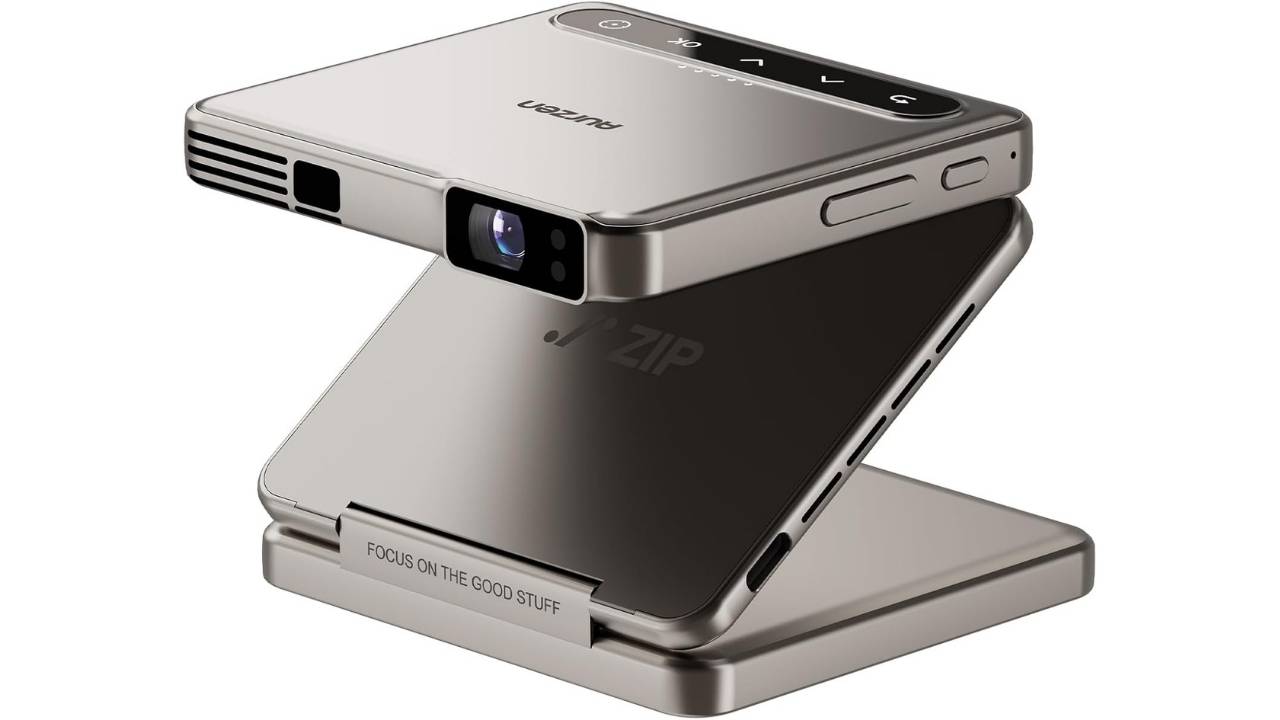
The Aurzen ZIP keeps surprising me each time I look at what this tiny projector can do. It folds into a pocket-sized device about the size of a wallet, then unfolds into a tri-fold stand that sets itself up in seconds. You do not need a tripod, cables, or extra gear. It is built for people who want a big screen experience without the hassle. It mirrors your screen with one tap and works with iOS, Android, macOS, and Windows. The best part is that it can mirror without Wi-Fi, which makes it ideal for travel, art tracing, outdoor movie nights, or a quick work presentation. It brings a level of flexibility you normally do not see in a projector this small.
The ZIP uses DLP tech with native 720p resolution and support for 1080p and 4K input. The picture looks sharp for its size, thanks to its ToF zero-lag auto focus system. It checks the distance 30 times a second and fixes focus and keystone on the fly. You unfold it, point it at a wall, and it locks in fast. No inch-by-inch adjustments. The built-in 5,000 mAh battery gives you about an hour and a half of playback, and you can use Type-C fast charging to top it up. It has Bluetooth 5.4 for pairing speakers and supports vertical full-screen mode for mobile content. Aurzen also highlights that the brightness rating is certified by SGS, which means the numbers you see reflect accurate testing rather than inflated marketing claims.
The ZIP has become a popular pick for gifting, too. It fits in a pocket, sets up fast, and creates a big picture from almost anywhere. For travelers, students, kids, or anyone who loves spontaneous movie nights, this is one of the most fun gadgets to come out this year.
Deal: Now only $279.99, with 30% off the list price of $399.99. (at the time of publishing)
Please note that sales for this product may fluctuate. If you are not seeing a sale right now, check back to see if it returns.
NTT Lightning Drone

Credit: NTT
This one blew my mind. Researchers at NTT became the first in the world to trigger and guide lightning using a drone. Yes, they actually flew a drone into a storm, triggered a lightning strike on purpose, took the hit, and kept the drone flying. The goal is simple but bold. Protect cities and critical infrastructure from one of the most destructive forces in nature. Lightning rods only cover small areas, and many sites cannot install them at all. NTT’s idea fixes that. The drone climbs under a thundercloud, uses a conductive wire to link to the ground, and triggers a strike at the exact moment the electric field peaks. During testing in Japan, the drone took a direct hit that produced more than 2,000 volts, yet stayed stable thanks to a custom lightning protection cage. That cage redirects the current around the drone and prevents damage to its electronics.
Lab tests showed the system can survive strikes far stronger than what you normally see in the real world. That means this design could work on commercial drones too. The future plan is to use lightning drones to guide strikes away from cities, protect infrastructure, and learn more about how lightning behaves. NTT also wants to explore capturing lightning energy one day.
It is wild tech with a real purpose and one of the most daring ideas to come out of 2025.
Phia

Credit: Phia
Phia is a free, AI-powered fashion shopping assistant that works as both an iOS app and a browser extension. When you browse for clothes, shoes, or accessories, Phia instantly compares prices across hundreds of retailers and resale sites. What sets Phia apart is its huge reach: it scans over 40,000 sites, including major resale platforms, and draws from a database of hundreds of millions of items. With a simple tap on its “Should I Buy This?” button, Phia tells you if the price is fair or high. If it’s overpriced, it quickly surfaces identical or similar alternatives at lower prices.
Phia also helps you see resale value and brand retention over time. That means you can decide if a designer item is worth buying new or if a secondhand option makes more sense economically and environmentally. The app is gaining serious traction in 2025. Its co-founders, Phoebe Gates and Sophia Kianni, recently raised $8 million in a seed round to expand Phia’s AI tools and reach.
If you value smarter shopping, lower prices, and eco-conscious options, Phia delivers more clarity and confidence than typical browsing ever could.
The Kara Pod

Credit: Kara
The Kara Pod is a countertop device that pulls moisture from the air, purifies it, mineralizes it, and turns it into clean alkaline water. The system uses heat, UV sterilization, and multi-stage carbon filtration to remove impurities before adding balanced minerals back into the water. You get fresh, great-tasting water without plumbing, refills or bottled water.
What makes it even more interesting is the built-in coffee maker. The Kara Pod brews coffee using that same freshly generated water. It works with Kara’s biodegradable pods or compatible options, giving you a simple and eco-friendly way to handle both hydration and your morning cup. It produces about a gallon of water each day, which covers several bottles of drinking water or up to 18 cups of coffee. For homes trying to cut plastic waste or reduce reliance on delivery services, it feels like a major upgrade. It runs quietly, fits on a standard counter and needs very little upkeep.
The Kara Pod aims to make clean water and daily coffee more convenient and self-sufficient. No heavy bottles, no constant filter changes and no need for a water line. Just air in your home turned into something you actually want to drink.
The Arc Sport

Credit: Arc Boats
As someone who loves being on the water, this electric boat hooked me the second I saw it. The Arc Sport is a 23-foot fully electric wake boat built for wakeboarding, skiing, tubing or a relaxed cruise across the lake. It runs for four to six hours of active use, which covers a full day on the water for most families, and it solves many of the pain points that gas boats create. There is no loud engine rumble, no fumes and no constant trips to the marina for fuel.
The tech inside the Arc Sport is what sets it apart. It uses a massive 226 kWh battery and a 500 hp motor that delivers instant torque. The boat jumps on plane fast and reacts with the kind of precision you normally see in high-end EVs. Joystick control lets you slide sideways for docking, and the custom wake system shapes clean, consistent waves for riders at every skill level. Arc Boats also treats the Arc Sport like a smart device. The boat receives software updates long after purchase. That means wake settings can improve, range can get smarter, and new features can roll out without changing the hardware. It is the same idea that makes modern EVs better each year.
This is one of the most exciting steps forward for electric marine tech yet.
The Acemate Tennis Robot
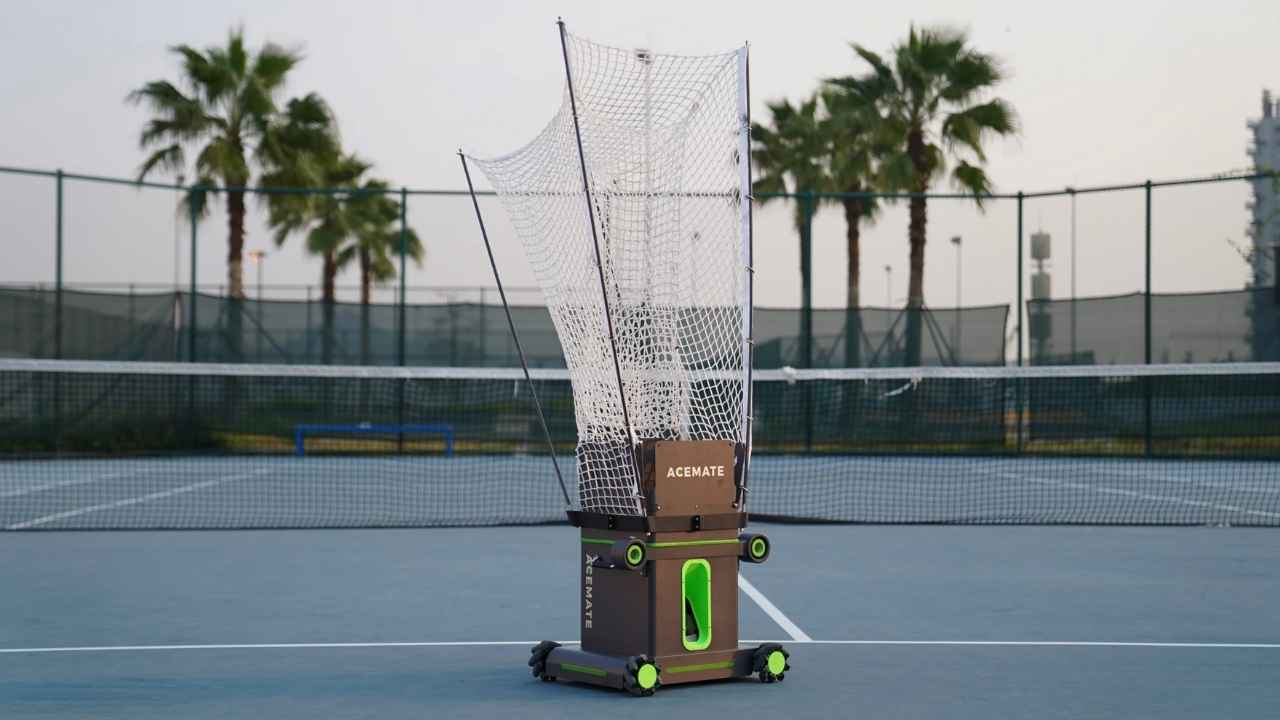
The Acemate robot is one of those inventions that makes you stop and rethink what solo practice can look like. It lets a single player run full rallies without a partner, and it feels surprisingly close to hitting with a real opponent. The robot catches your shots in its net, reads your movement, and fires the ball back across the court at speeds up to 80 mph. What makes it stand out is its mobility. Acemate moves in any direction, so it does not stay fixed on the baseline like a traditional ball machine. It uses cameras to track your position and adjust its return in real time. That means it can rally with you, pull you side to side, or feed balls with different heights and tempos, the same way a skilled partner would.
The companion app adds even more value. It shows shot placement, ball speed, and patterns so you can see how you played and where you need to improve. You can set drills, adjust rally pace, and review performance after each session. It is a powerful training setup for players who want to build consistency and push their game forward.
For anyone serious about improving without relying on a partner’s schedule, this feels like a breakthrough. It turns any empty court into a full practice session.
Glacier Recycling Robots
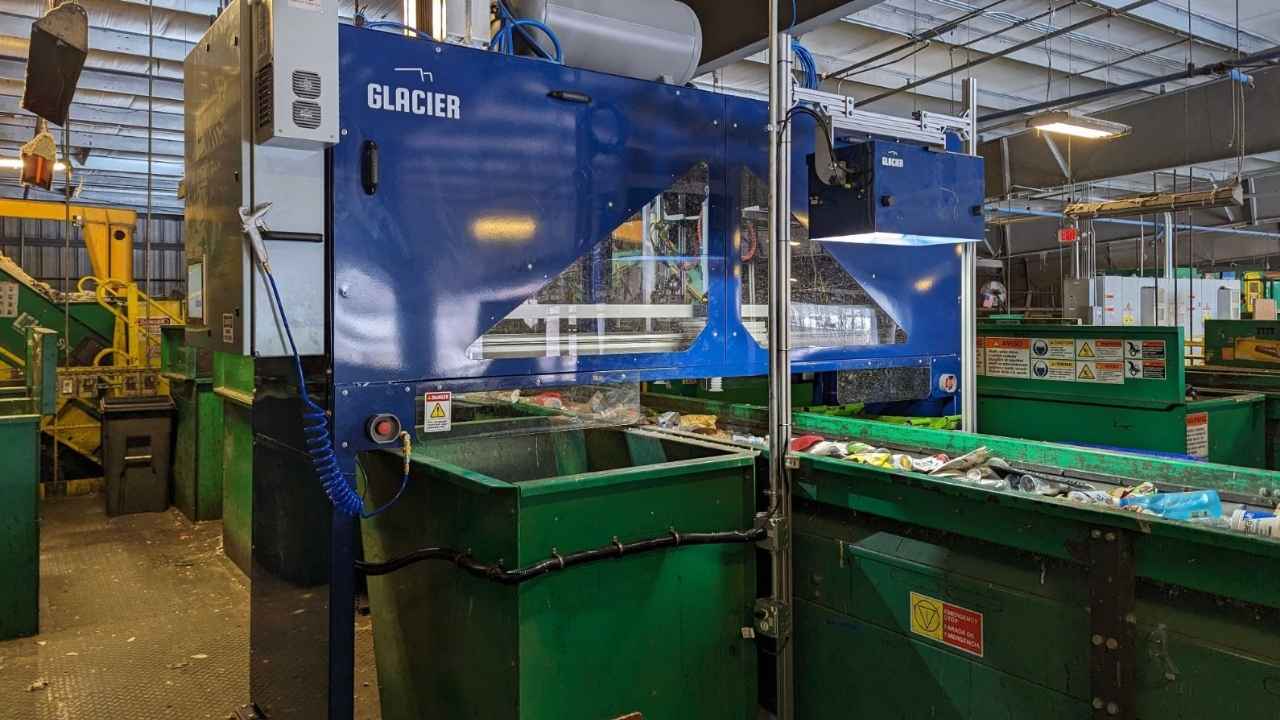
Credit: Glacier
These recycling robots sort more than 70 types of materials with AI and computer vision. They work fast and help keep recyclable items out of landfills. The robots identify plastics, paper, metals and packaging that often slip through traditional sorting systems. That accuracy gives facilities a cleaner and more consistent stream of material. One major advantage is how easily they fit into existing operations. The robots can slide into current lines with minimal retrofitting and run at about 45 picks per minute. Facilities in Seattle and Pennsylvania have already reported gains in plastic and fiber recovery after installing Glacier systems. That boost creates cleaner feedstock for mills, improves the economics of recycling and reduces contamination that can shut down entire batches.
These robots also support safer workplaces. Instead of asking staff to stand over fast-moving conveyor belts and sort sharp or contaminated items by hand, the system handles the hazardous work. Workers can shift to monitoring and quality control roles, which reduces injury risk and increases overall efficiency.
As recycling challenges grow across the country, systems like these could reshape how facilities operate and help keep far more material in circulation instead of in the trash.
Related Links:
- Best tech gear for hunting season 2025
- Cool tech to keep you warm when you need it most
- Best pet tech gift guide
Kurt’s key takeaways
This was a huge year for creative ideas. We saw tools that protect lives, improve daily habits, help the planet, and reshape how we use tech. Many of these inventions also plant seeds for bigger breakthroughs ahead. If this is what 2025 brought, the next few years could be even more thrilling in terms of tech.
Which invention from 2025 would make the biggest impact in your life? Let us know your thoughts in the comments below.
FOR MORE OF MY TECH TIPS & SECURITY ALERTS, SUBSCRIBE TO MY FREE CYBERGUY REPORT NEWSLETTER HERE
Copyright 2025 CyberGuy.com. All rights reserved. CyberGuy.com articles and content may contain affiliate links that earn a commission when purchases are made.
🎙 Now Streaming: My New Podcast: The CyberGuy Report
Kurt’s Top Deals
Deals move fast and inventory can be limited, so don’t wait too long.
| 🔥 Editor’s pick  Summer entertaining Ninja SLUSHi Machine (26% off) Frozen drinks and slushies at home in minutes. | |
| 💰 Top deal 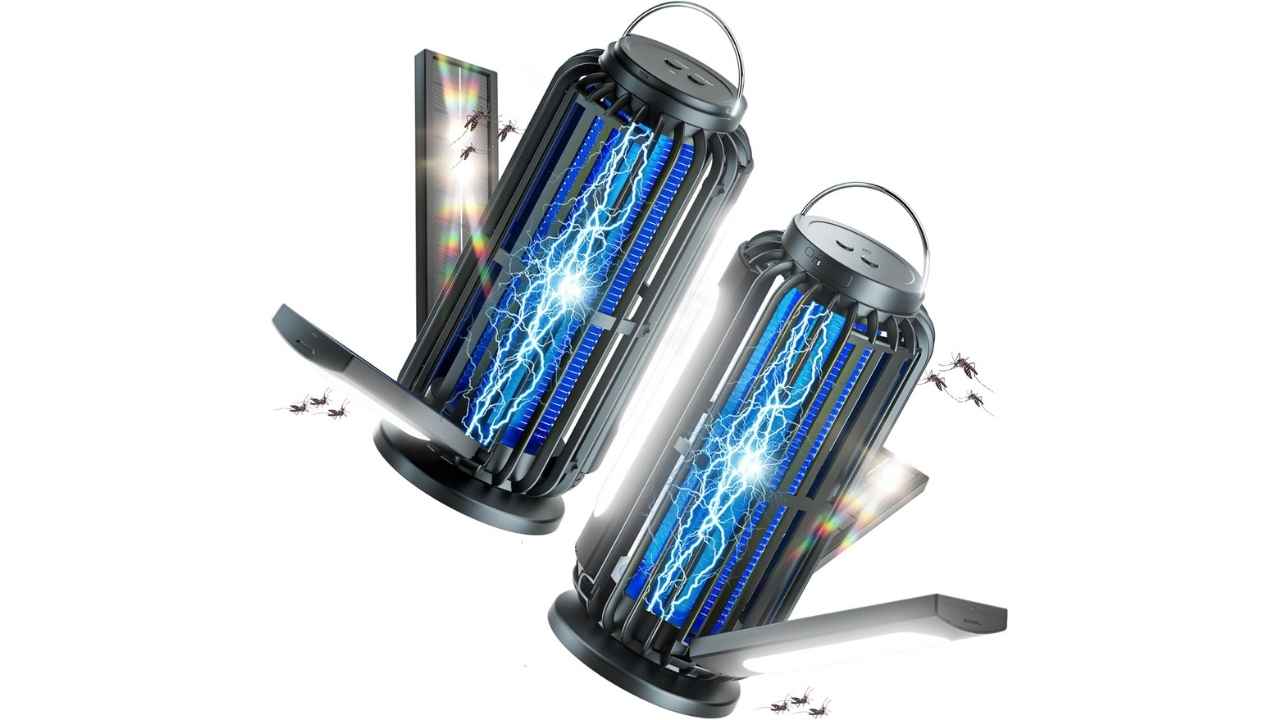 Outdoor essential TYPEC Solar Bug Zapper (36% off) Solar-powered bug zappers for patios and camping. |


