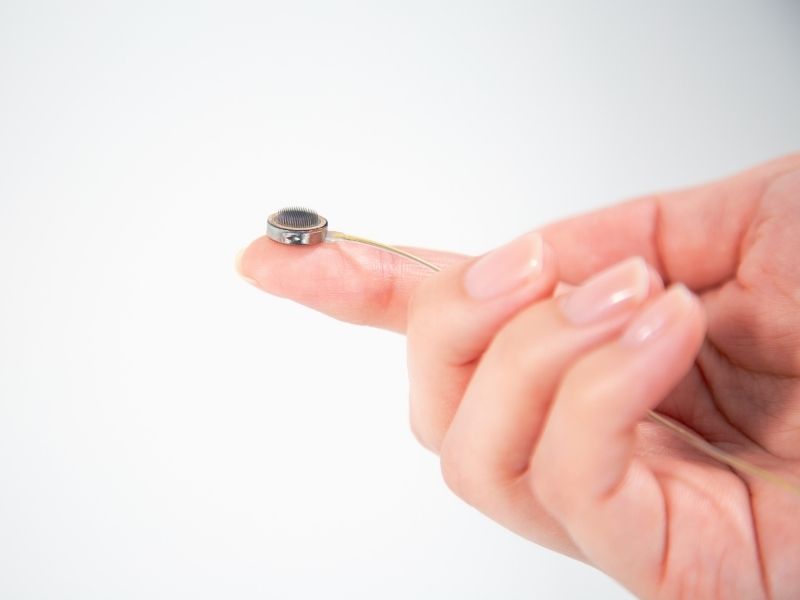



Recently, a neurotech company called Paradromics made headlines by successfully implanting its brain-computer interface (BCI) in a human for the first time. The procedure happened at the University of Michigan during a patient’s routine epilepsy surgery. The device was both placed and removed in just about 20 minutes, a quick turnaround for such a complex technology. This achievement is a big deal for Paradromics, which has been working on this brain implant technology for nearly 10 years. It shows that their system can be safely implanted in the brain and actually record neural activity. With this milestone, the company is moving from research to clinical trials, aiming to test the long-term safety and everyday use of their device in people.

Credit: Paradromics
How brain-computer interfaces are changing the game
A brain-computer interface is a gadget that reads brain signals and turns them into commands for computers or other devices. Paradromics’ version, called Connexus, is designed to help people with severe movement problems, like those caused by paralysis, communicate by using their thoughts to control a computer. Right now, the device is still in the research phase and hasn’t been approved by regulators. But the recent implant is a big step forward. “We’ve already shown in animals that our device is top-tier for data quality and durability,” said the company’s founder and CEO, Matt Angle. “Now we’ve shown it works in humans, too, which really builds momentum for our upcoming clinical trial.”

Credit: Paradromics
AI ENABLES PARALYZED MAN TO CONTROL ROBOTIC ARM WITH BRAIN SIGNALS
Inside the Connexus BCI: What makes it stand out
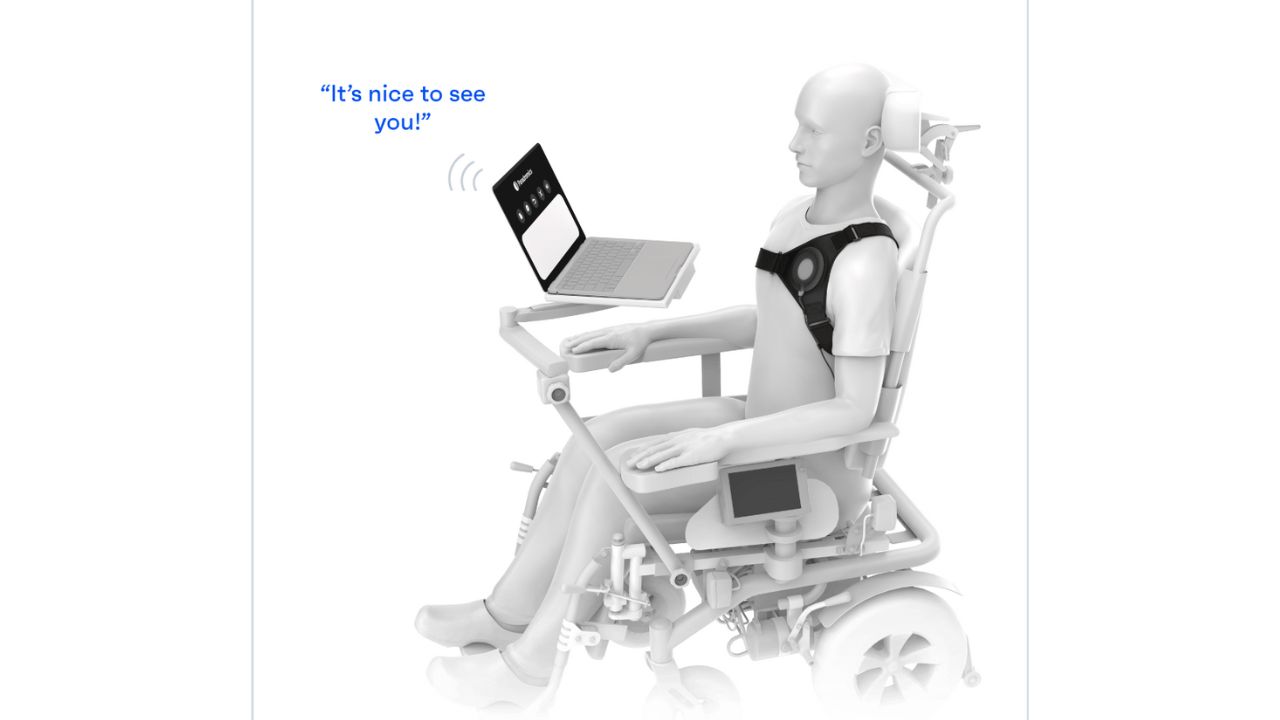
The Connexus BCI stands out because it’s engineered for durability and packed with cutting-edge features. One of its most notable innovations is the inclusion of 421 microelectrodes, each one thinner than a human hair, which allows the device to capture signals from individual brain cells with impressive precision. These electrodes are housed in a body made from titanium and platinum-iridium, materials that are widely trusted in medical implants for their safety and compatibility with the human body, ensuring the device is suitable for long-term use. Signals detected by the electrodes travel from the brain to a compact device implanted in the chest, which then wirelessly transmits the data to an external computer or gadget. Advanced AI and language models process this information, translating the user’s neural activity into speech or text, so people with severe motor impairments can communicate or control digital devices directly with their thoughts.

Credit: Paradromics
RICE-SIZED ROBOT COULD MAKE BRAIN SURGERY SAFER AND LESS INVASIVE
How the Connexus BCI works: Step by step
The Connexus BCI transforms brain activity into digital action through a simple yet sophisticated series of steps, each designed to make communication seamless for people with severe motor impairments.
Implant the device: A surgeon places the Connexus BCI under the skin, using techniques that are already well established in medicine.
Capture brain signals: The device’s tiny electrodes pick up signals from individual neurons in the motor cortex.
Send data to the chest: These signals travel along a thin wire to a small device in the chest.
Watch the latest episode of The CyberGuy Report.

Missed this event? Sign up via the registration form and see our live recording.
See Kurt’s latest Amazon picks for useful gadgets, smart home upgrades and everyday tech worth grabbing while the deals last.
Wireless transmission: The chest device sends the data wirelessly to a computer or smartphone.
Turn thoughts into words: Advanced software figures out what the user wants to say or do and translates it into speech, text, or digital commands.
For people who can’t speak or move because of conditions like ALS or stroke, Paradromics’ technology could be life-changing. It could let them communicate at natural speeds and even control computers with their thoughts.

Credit: Paradromics
TEEN GOES FROM 10 NIGHTLY SEIZURES TO ZERO WITH BRAIN IMPLANT
The team behind the breakthrough
The procedure was led by Dr. Oren Sagher, a professor of neurosurgery, and Dr. Matthew Willsey, an assistant professor of neurosurgery and biomedical engineering, both at the University of Michigan. Their team includes both doctors and engineers, making sure the implant was done safely and effectively. Dr. Willsey shared that the Paradromics device has over four times the number of sensors compared to other devices they’ve used, which means it can capture much more detailed brain activity.
Credit: Paradromics
Paradromics vs. other neurotech companies
Paradromics isn’t the only company working on brain-computer interfaces. Others, like Neuralink, Synchron, and Precision Neuroscience, are also making progress. Each has a slightly different approach, but Paradromics is focusing on recording activity from individual brain cells, which could lead to more natural communication for people with paralysis. The founder compared their approach to putting microphones inside a stadium instead of outside. Inside, you hear every conversation. Outside, you just hear the noise of the crowd.

Credit: Paradromics
Funding, partnerships, and what’s coming next
Paradromics has raised almost $100 million so far and recently teamed up with Saudi Arabia’s NEOM. The company is also part of a special FDA program that helps speed up the development of breakthrough medical devices. Later this year, Paradromics plans to start a clinical trial for people with severe movement problems from conditions like ALS, spinal cord injury, or stroke. The goal is to help them communicate independently using digital devices.
SUBSCRIBE TO KURT’S YOUTUBE CHANNEL FOR QUICK VIDEO TIPS ON HOW TO WORK ALL OF YOUR TECH DEVICES

Credit: Paradromics
Kurt’s key takeaways
Paradromics’ first human implant is a big moment for the field of neurotechnology. While the device is still in the research phase, this successful test shows that it’s possible to safely and effectively use advanced brain-computer interfaces in people. As Paradromics and other companies keep pushing forward, the future looks promising for people with severe motor impairments. The ability to communicate and interact with the world in new ways is closer than ever, and that’s something worth talking about.
Do you think brain-computer interfaces are a breakthrough for humanity, or are we moving too fast without fully understanding the risks? Let us know in the comments below.
FOR MORE OF MY TECH TIPS & SECURITY ALERTS, SUBSCRIBE TO MY FREE CYBERGUY REPORT NEWSLETTER HERE
🎙 Now Streaming: My New Podcast: The CyberGuy Report
Kurt’s Top Deals
Deals move fast and inventory can be limited, so don’t wait too long.
| 🔥 Editor’s pick  Summer entertaining Ninja SLUSHi Machine (26% off) Frozen drinks and slushies at home in minutes. | |
| 💰 Top deal  Outdoor essential TYPEC Solar Bug Zapper (36% off) Solar-powered bug zappers for patios and camping. |