



As demand for clean energy grows, so does the need for smarter storage solutions. Lithium-ion batteries are leading the charge, but they don’t last forever. That creates a big problem: what do we do with all the dead batteries?
Thanks to a new method developed by researchers at Worcester Polytechnic Institute (WPI), we may finally have an answer. This scalable and eco-friendly recycling technique transforms old batteries back into high-performing, next-gen components, with minimal environmental impact.
Let’s break down how this innovation works and why it matters for a sustainable energy future.
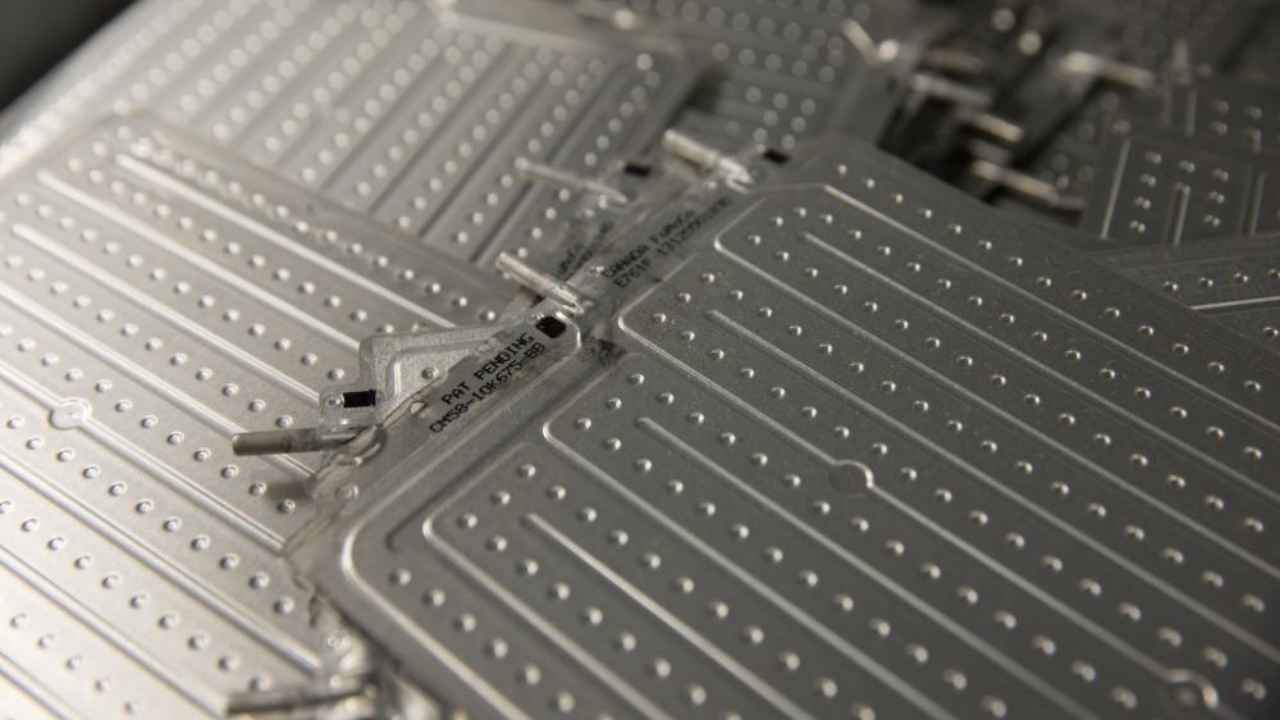
Credit: WPI
Why lithium-ion batteries need a second life
From your phone to electric vehicles and even power grids, lithium-ion batteries are everywhere. They offer unmatched energy density and can scale to meet large infrastructure demands. However, there’s a catch. Even with optimal use, these batteries wear out after a few thousand charge cycles. When they die, they leave behind components such as nickel, cobalt, and manganese, materials that are expensive and environmentally damaging to mine. Without a solid plan for recycling, the clean energy revolution could create a very dirty problem.
The problem with traditional battery recycling
Standard recycling methods aren’t quite up to the task. They’re energy-intensive, generate significant emissions, and often fail to recover materials in usable form. This means many recycled batteries can’t be turned into new, high-performing ones. As a result, manufacturers continue to mine for raw materials, causing further environmental harm. That’s why scientists have been searching for a better way to close the loop.
WPI’s clean, scalable solution: A hydrometallurgical upgrade
Led by Professor Yan Wang, the WPI team developed a method that uses hydrometallurgy to extract critical metals from spent Ni-lean cathodes, then upcycles them into Ni-rich 83Ni cathode materials, which are used in next-generation batteries. Here’s what makes it revolutionary:
- 92.31 mol% utilization of recycled materials
- Converts outdated Ni-lean materials into high-performance Ni-rich (83Ni) cathodes
- Recycled cathodes retain 88% capacity after 500 cycles (in single-layer pouch cells)
- Maintain 85% capacity after ~900 cycles (in 2Ah commercial-grade pouch cells)
- Uses 8.6% less energy than conventional processes
- Cuts carbon emissions by 13.9%
- Reduces cathode production costs by over 76% compared to other recycling methods
While still in research, this method is on a fast track to real-world deployment. Wang is also a co-founder of Ascend Elements, a company already commercializing battery recycling, so this tech may hit manufacturing floors sooner than you think.
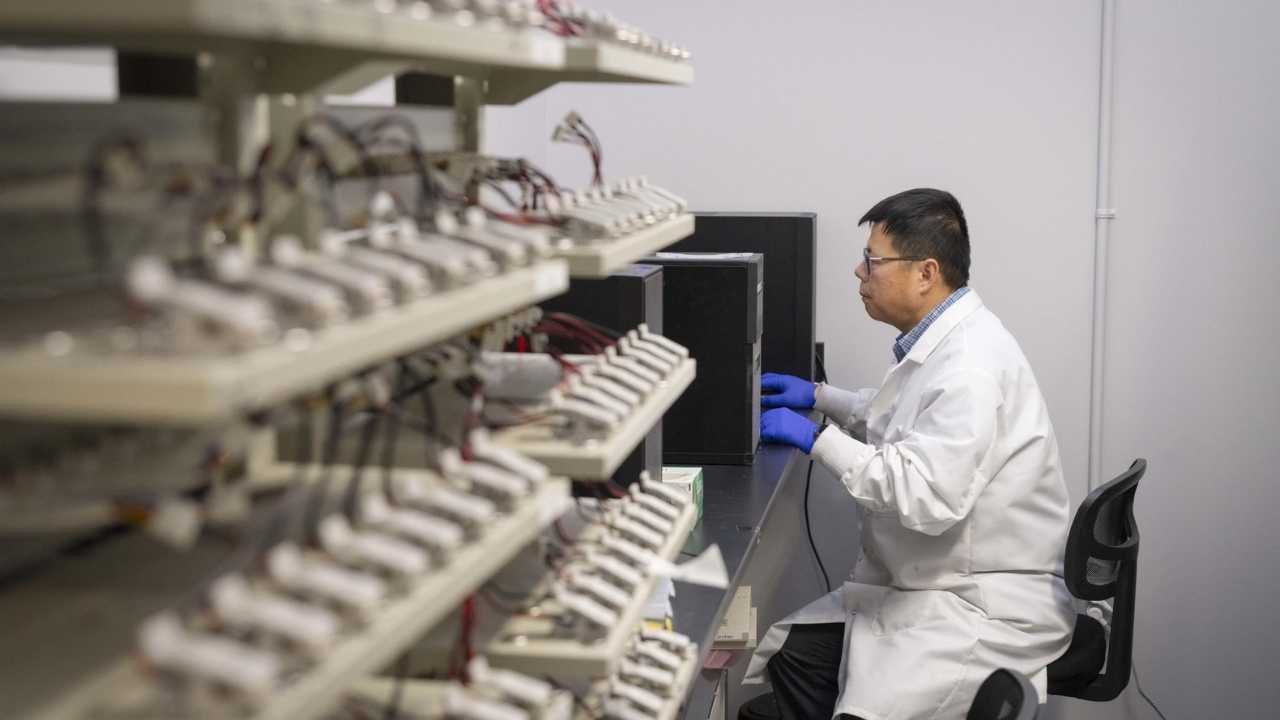
Credit: WPI
Why this matters for clean energy and supply chains
Battery waste is piling up, and mining for fresh materials isn’t sustainable. Wang’s team has proven that high-performance batteries can be made from recycled components at scale. This reduces our dependence on destructive mining operations, lowers emissions, and makes battery manufacturing more resilient to global supply shocks. Even better? These recycled batteries perform just as well as new ones. Unlike traditional methods that recover raw metals but degrade performance, this upcycling process regenerates high-value cathodes with next-gen chemistry, turning old batteries into components even better aligned with today’s EV and storage systems.

What this means for you
If you rely on a smartphone, drive an EV, or use a laptop daily, this research affects you. The push toward clean energy is not just about wind turbines and solar panels. It’s about making the entire system, including batteries, more sustainable. Right now, most of us toss old devices without thinking about where the battery ends up. But that battery contains valuable metals, metals that are expensive to mine and harmful to extract.
A Texas mom says she spent the night in jail after speaking up online about dirty water in her town. The case was later dropped, but her story raises a troubling question: could something you post online ever put you at risk?

Missed this event? Sign up via the registration form and see our live recording.
See Kurt’s 2026 picks for practical tech and everyday upgrades.
This new method from WPI means future batteries in your devices could be made from sustainably recycled materials, without sacrificing performance. That helps keep costs down, reduces toxic waste, and shrinks your personal carbon footprint. These high-performance recycled batteries could soon power electric vehicles, solar-powered homes, and even the devices in your pocket, bringing sustainability directly into your life. Plus, as governments and companies invest in battery-powered everything, innovations like this help ensure there are enough materials to go around, without ripping more resources out of the ground.
Related Links:
- Swappable EV batteries let you “refuel” in just 100 seconds
- New battery has double the power and fraction of the dangerous chemicals
- Should you replace your phone battery or buy a new phone
Kurt’s key takeaways
This innovation could become a cornerstone of the circular battery economy, where old batteries fuel new technology without harming the planet. WPI’s approach doesn’t just tackle waste. It redefines how we think about energy storage in a world that urgently needs sustainable solutions.
Would you trust a car or device powered by recycled battery components, or are you still holding out for “new” to mean “better”? Let us know in teh comments below.
FOR MORE OF MY TECH TIPS & SECURITY ALERTS, SUBSCRIBE TO MY FREE CYBERGUY REPORT NEWSLETTER HERE
Copyright 2025 CyberGuy.com. All rights reserved. CyberGuy.com articles and content may contain affiliate links that earn a commission when purchases are made.
🎙 Now Streaming: My New Podcast: The CyberGuy Report
Kurt’s Top Deals
Deals move fast and inventory can be limited, so don’t wait too long.
| 🔥 Editor’s pick  Summer entertaining Ninja SLUSHi Machine (26% off) Frozen drinks and slushies at home in minutes. | |
| 💰 Top deal  Outdoor essential TYPEC Solar Bug Zapper (36% off) Solar-powered bug zappers for patios and camping. |


