



We all know staying hydrated is important, but most of us don’t actually track how much water we need. The signs of dehydration, like dizziness, fatigue, or confusion, can creep in before you even realize you’re in trouble. By the time you feel thirsty, you’re already behind. That’s what makes the new wearable hydration sensor so valuable. Instead of guessing, this device provides real-time data, allowing you to stay ahead of dehydration, rather than just react to it.

Credit: University of Texas at Austin
How the wearable hydration sensor works
Developed by researchers at the University of Texas at Austin, the sensor is designed to detect early signs of dehydration using a method called bioimpedance. This method sends a small, painless electrical current through your bicep and measures how easily that current flows through your tissue. Because water is a good conductor of electricity, well-hydrated tissue lets the current pass easily. When you’re dehydrated, your tissues resist the current, and the sensor detects that. The sensor connects wirelessly to a smartphone app, delivering instant feedback about your hydration level. You don’t have to stop what you’re doing or wait for lab results. The data is continuous and always available.
Wearable hydration sensor benefits for workouts, jobs, and health
This isn’t just cool tech, it’s practical. For athletes pushing through workouts in the heat, the sensor could help them avoid fatigue or cramping. For firefighters or police officers wearing heavy gear in scorching temperatures, it offers a way to stay safe on the job. Even office workers who forget to drink water during long meetings could benefit from a reminder when their hydration levels drop. The researchers believe the wearable hydration sensor could also play a major role in health care. Patients with kidney problems or cardiovascular issues often need to monitor hydration closely. Until now, that meant invasive tests or relying on symptoms. This sensor could make hydration tracking simple, accurate, and non-invasive.
The science behind the hydration sensor
To make sure the sensor really works, the research team ran controlled experiments. They had participants take a diuretic to promote fluid loss and tracked hydration using the sensor. At the same time, they collected urine samples to confirm results. The sensor’s data closely matched the chemical markers in the samples. That means the technology is not only accurate, but it can also be trusted even during normal daily activities like walking or working. Study co-author Matija Jankovic explained that arm bioimpedance was highly sensitive to changes in hydration. It also aligned with whole-body hydration, making it a reliable alternative to traditional testing.

Credit: University of Texas at Austin
Traditional hydration tests fall short
Standard ways of checking hydration, like urine tests or blood work, are time-consuming and not practical for everyday use. Some commercial tools already exist, but they tend to be bulky or require users to stay in one spot. They’re just not built for real life. That’s where this sensor has the edge. It’s compact, portable, and constantly running in the background. It works while you move, exercise, or even just sit at your desk.
What’s next for hydration tracking
Right now, the sensor tracks relative changes in hydration, which is a powerful tool on its own. But the research team wants to take it further. They plan to collect data from a larger population to create baseline values for absolute hydration levels. This step would make the device even more accurate and personal. They’re also exploring new wearable designs, such as breathable e-tattoos and sweat-wicking sensors, that could offer better comfort and longer wear.
Future models might track hydration in other areas of the body, like the forearm or thigh. The team is optimistic that these innovations will make hydration tracking even more seamless and accessible. Lead researcher Nanshu Lu, who has worked on similar wearable health tech in the past, says this is only the beginning. Her vision is to bring simple, real-time hydration tracking to everyone, no matter their lifestyle or profession.

What this means for you
Staying hydrated just got a whole lot easier. With a wearable hydration sensor, you no longer have to rely on guesswork or vague reminders to drink water. Whether you’re powering through a workout, focused on a demanding job, or just caught up in a busy day, this device keeps tabs on your hydration status in real time. That means you get clear, instant feedback-before dehydration slows you down.
While this technology is still in the research and development phase, the early results are promising. It’s not yet available to the public, but the groundwork is in place. Once it moves into production, this kind of real-time hydration tracking could become a part of daily life, helping you stay healthier, more alert, and ahead of the curve.
Watch the latest episode of The CyberGuy Report.

Missed this event? Sign up via the registration form and see our live recording.
See Kurt’s latest Amazon picks for useful gadgets, smart home upgrades and everyday tech worth grabbing while the deals last.
Related Links:
- Best wearable devices to track your blood oxygen levels
- Food tracking just got lazy (In the best way possible) with this wearable
- Best apps to track and monitor air quality to stay safe
Kurt’s key takeaways
Dehydration isn’t always obvious, but it can quickly become serious. The wearable hydration sensor puts the power to monitor your health back in your hands. It’s accurate, non-invasive, and built for daily life. Whether you’re training for a marathon or just trying to stay sharp at work, knowing your hydration status in real time could make all the difference.
Would you trust a wearable sensor to tell you when it’s time to hydrate, or do you think thirst is still the best signal? Let us know your thoughts in the comments below.
FOR MORE OF MY TECH TIPS & SECURITY ALERTS, SUBSCRIBE TO MY FREE CYBERGUY REPORT NEWSLETTER HERE
Copyright 2025 CyberGuy.com. All rights reserved. CyberGuy.com articles and content may contain affiliate links that earn a commission when purchases are made.
🎙 Now Streaming: My New Podcast: The CyberGuy Report
Kurt’s Top Deals
Deals move fast and inventory can be limited, so don’t wait too long.
| 🔥 Editor’s pick  Summer entertaining Ninja SLUSHi Machine (26% off) Frozen drinks and slushies at home in minutes. | |
| 💰 Top deal 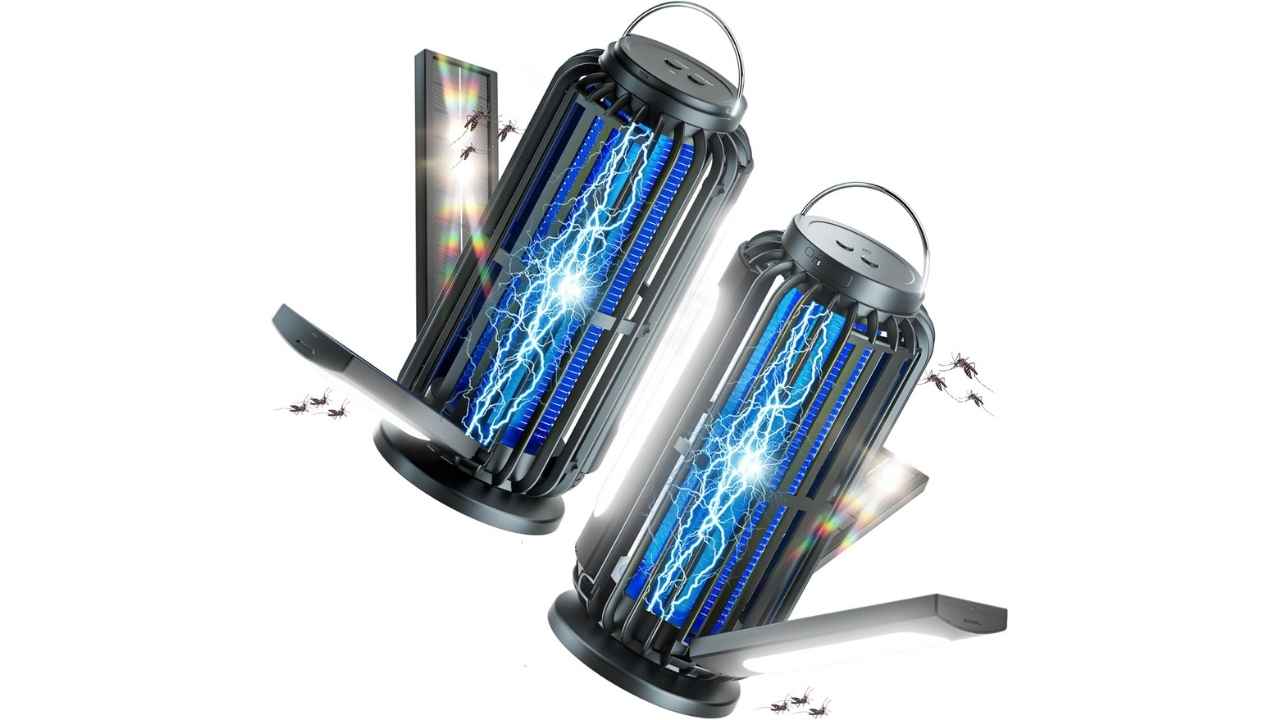 Outdoor essential TYPEC Solar Bug Zapper (36% off) Solar-powered bug zappers for patios and camping. |


2 comments
I definitely would wear one! I had most of my small intestine removed due to blood clot. Im dehydrated daily. I have to drink electrolytes daily with my water. This would be perfect for me!
Device will be a lifesaver. We constantly must monitor husband’s hydration…Impacts BP, mental clarity, Afib and more. Yikes!…How wonderful this device will be! Thanks for such a great notice.