



Tesla just rolled out something big: the Oasis Supercharger. This isn’t your average charging station; it’s a massive, solar-powered site in Lost Hills, California, that could completely change the way we think about fueling electric vehicles. Instead of relying on the traditional power grid, the Oasis runs on clean, renewable energy, showing us what the future of sustainable EV charging might actually look like.
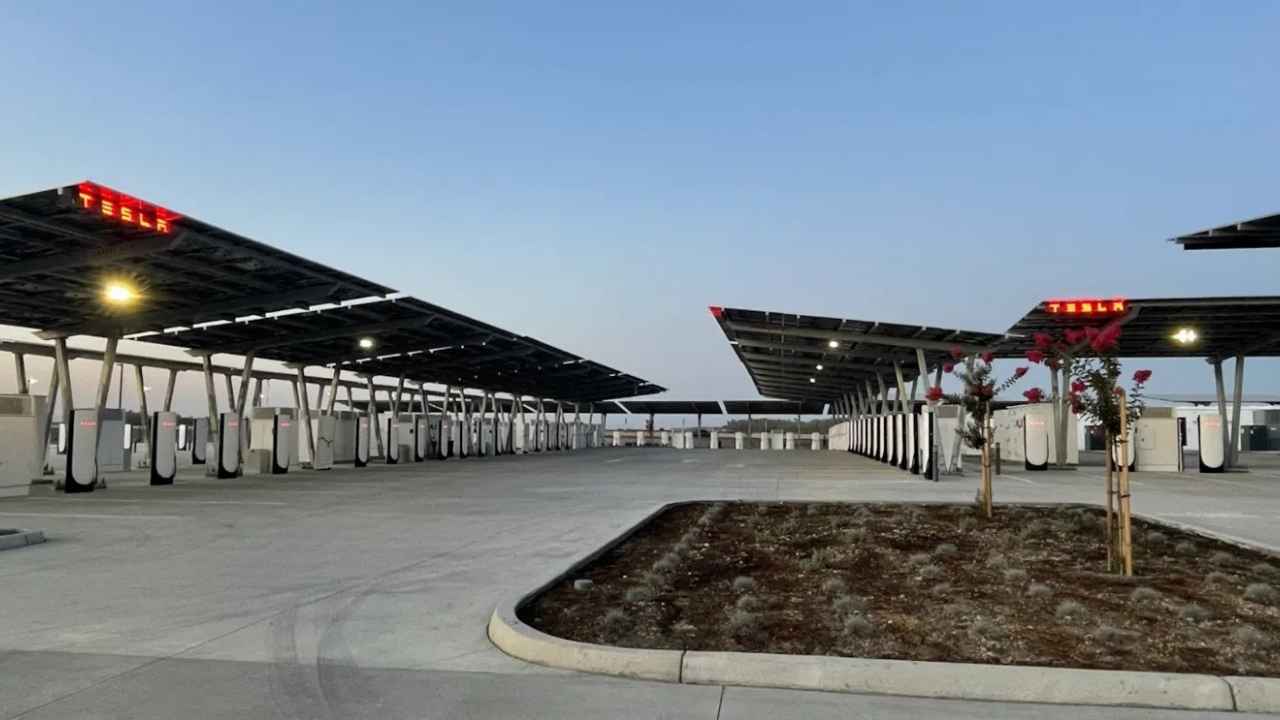
Credit: Tesla
Tesla delivers on solar Supercharger vision with off-grid charging station
Tesla has long promised to integrate solar panels and battery storage into its Supercharger stations. CEO Elon Musk envisioned a network where most stations could operate off-grid, powered by renewable energy. While a few stations received solar upgrades over the years, most remained reliant on conventional electricity sources. Now, with the Oasis project, Tesla is finally delivering on that promise in a big way.
Inside the Oasis Supercharger: Tesla’s largest solar EV charging hub
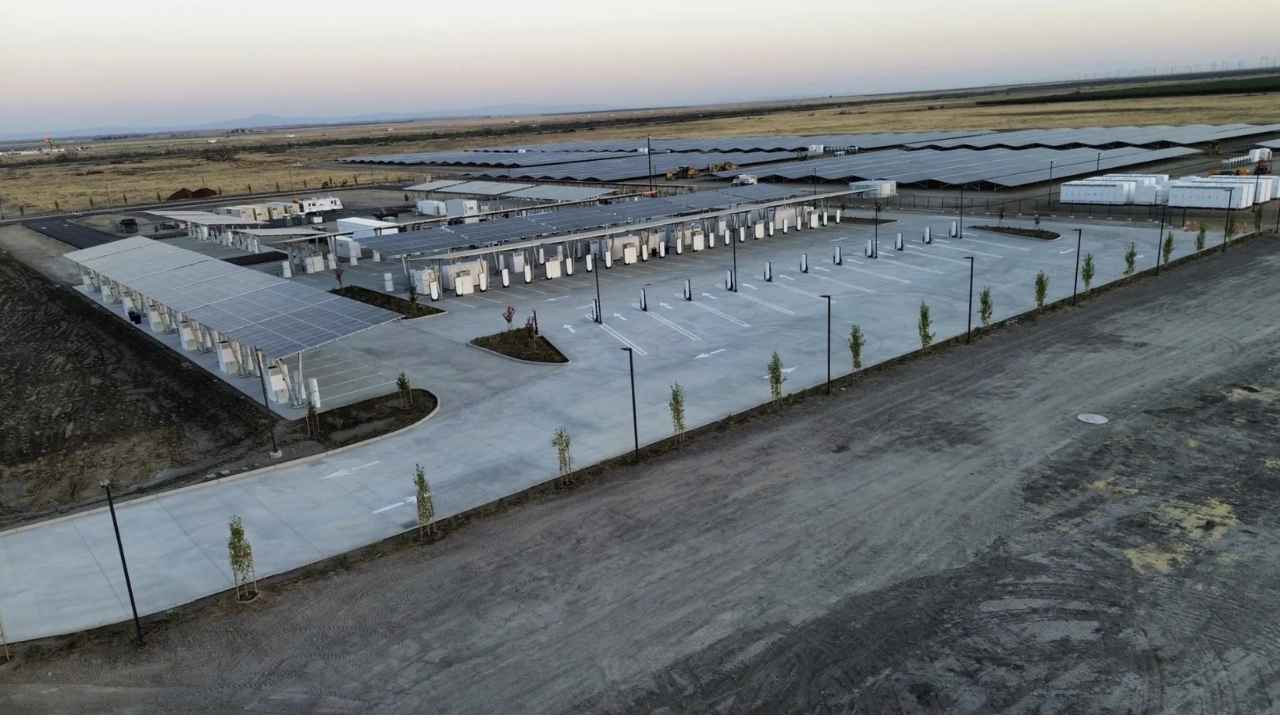
The Oasis Supercharger is truly massive. It will eventually offer 168 charging stalls, with half of them already operational. The station is powered by an impressive 11 megawatts of solar panels, which include both ground-mounted arrays and solar canopies. These panels cover 30 acres of land, making it one of the largest solar-powered EV charging stations in the world. To store the energy generated by the solar farm, Tesla has installed 10 Megapacks, which together provide 39 megawatt-hours of battery capacity.
What makes Oasis especially remarkable is its ability to operate completely off the grid. This means it can provide reliable charging even during power outages or in remote locations where grid access is limited. Tesla brought 84 stalls online just in time for the busy Fourth of July travel weekend, and the remaining stalls, along with a new driver lounge, are expected to open later this year.
Credit: Tesla
Why Tesla’s solar-powered Oasis Supercharger is a game-changer
This project is important for several reasons. First, it significantly reduces the strain on local utility grids by generating and storing its own energy. This makes the charging station more resilient and less vulnerable to power disruptions.
Second, it proves that large-scale, solar-powered EV infrastructure is not only feasible but practical. As electric vehicles become more popular, the demand for sustainable and reliable charging options will grow, and Oasis offers a clear vision of how to meet that demand.
Tesla’s Oasis Supercharger sets a new standard for the industry. It shows that EV charging stations can be fully powered by renewable energy and operate independently from the grid. This approach could transform how we think about fueling electric vehicles and help accelerate the transition to clean transportation.
Regulatory challenges could slow future off-grid EV charging projects
Despite this impressive achievement, challenges remain. Recent changes in U.S. legislation have reduced incentives for solar energy and battery storage projects. These policy shifts could slow down the development of similar off-grid charging stations across the country. As a result, the expansion of renewable energy and EV infrastructure might face headwinds in the near future.
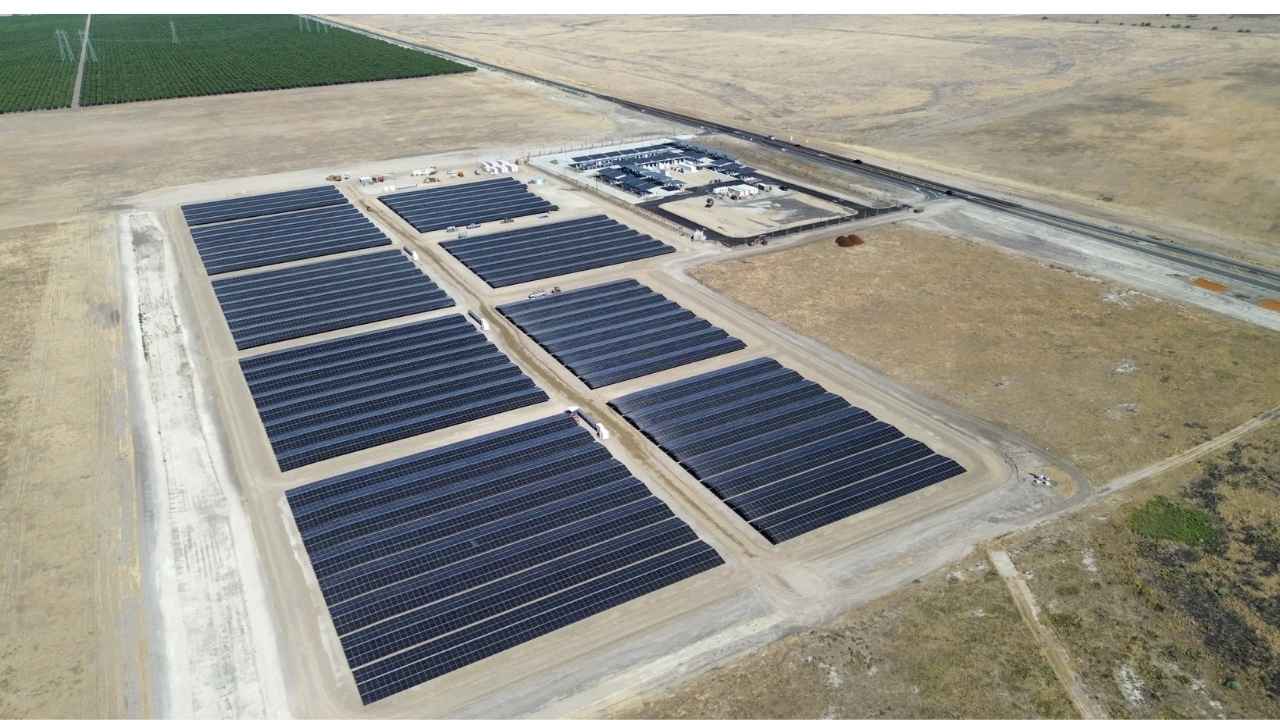
Credit: Tesla
Related links:
- Costco’s EV charging move signals major shift
- Electric SUV is the ultimate lifeline for search and rescue missions
- Swappable EV batteries let you “refuel” in just 100 seconds
A Texas mom says she spent the night in jail after speaking up online about dirty water in her town. The case was later dropped, but her story raises a troubling question: could something you post online ever put you at risk?

Join Kurt this Saturday, June 13 at 10 AM ET for quick phone privacy and security fixes.
See Kurt’s 2026 picks for practical tech and everyday upgrades.
Kurt’s key takeaways
Tesla’s Oasis Supercharger really shows us what’s possible for the future of EV charging. It brings together clean energy, smart technology, and real-world reliability in a way we haven’t seen before. But with new regulations and so much demand for charging, it makes you wonder, will other companies and governments step up and build more solar-powered, off-grid stations like this? Or is Oasis going to stand alone as a rare example, while most charging stations keep relying on traditional energy?
What do you think it will take to make this kind of green innovation the new normal? Let us know in the comments below.
FOR MORE OF MY TECH TIPS & SECURITY ALERTS, SUBSCRIBE TO MY FREE CYBERGUY REPORT NEWSLETTER HERE
🎙 Now Streaming: My New Podcast: The CyberGuy Report
Kurt’s Top Deals
Deals move fast and inventory can be limited, so don’t wait too long.
| 🔥 Editor’s pick  Summer entertaining Ninja SLUSHi Machine (26% off) Frozen drinks and slushies at home in minutes. | |
| 💰 Top deal 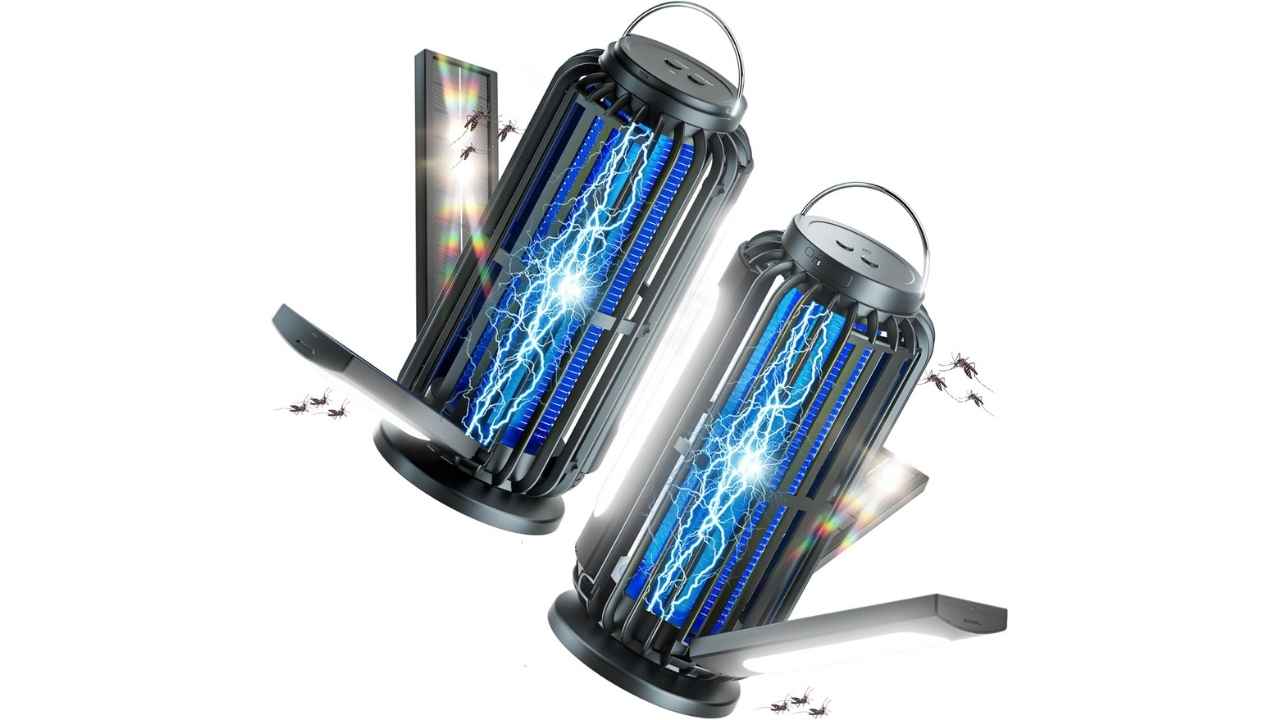 Outdoor essential TYPEC Solar Bug Zapper (36% off) Solar-powered bug zappers for patios and camping. |


