



- A humanoid AI robot named José is now helping travelers at San Jose airport.
- The robot provides directions and answers questions in more than 50 languages.
- This is part of a four-month pilot testing AI in real airport conditions.
- The rollout is designed to make it easier for passengers to navigate and get information.
If you’ve ever wandered through an airport struggling to find your gate, something to eat or a place to charge your phone, this could make things a lot easier.
At San José Mineta International Airport, travelers can now get help from a humanoid robot named José. It greets passengers, answers questions and helps people find their way around the terminal.
You’ll find it in Terminal B near Gate 24, where travelers are already stopping to try it out.

Credit: IntBot
What the AI airport robot José can actually do
José was developed by IntBot, a Silicon Valley startup focused on building machines that understand human behavior and intent.
José is powered by IntEngine, IntBot’s proprietary system that combines vision, audio and language in real time to coordinate speech, facial expressions and gestures. This allows the robot to understand social context and decide when and how to interact with people in busy public spaces. Here’s what stands out:
- Communicates in more than 50 languages
- Provides directions and real-time terminal updates
- Answers questions in a natural, conversational way
- Handles busy public spaces without constant human oversight
José stands about 5 feet 6 inches tall, weighs roughly 152 pounds and runs on a 700wh battery that lasts about two hours per charge. It also features more than 40 points of movement and can turn within about 2 feet, helping it navigate tight airport spaces. Lei Yang, CEO at IntBot, tells CyberGuy:
“This marks our first airport deployment. José is our first real-world test of how humanoids can help travelers navigate airports across language barriers. Our goal is to help travelers feel more confident before they depart. But we’re also learning something harder to measure, which is how people actually respond to embodied AI systems in their daily path. These learnings will shape how IntBot brings humanoid robots into the world responsibly.”

Credit: IntBot via X
Why airports are rolling out AI robots now
Airports are under pressure to move people faster while improving the experience. At the same time, cities want to show they can lead in tech innovation. San Jose is leaning into both.
“San José continues to lead in applying emerging technologies in ways that improve everyday experiences for residents and visitors,” said San José City Manager Jennifer Maguire. With major global events like the FIFA World Cup expected to bring in waves of international travelers, language barriers and navigation challenges become a bigger issue.
José helps solve that. It offers instant answers without lines, confusion or the need to track down staff. “By piloting IntBot, we’re exploring how artificial intelligence can enhance the passenger journey while reinforcing SJC’s role as the gateway to Silicon Valley,” said Mookie Patel, director of aviation at San José Mineta International Airport.
City officials also see this as a live test. The airport becomes a real-world lab to see how AI performs under pressure.
This airport robot is testing the future of AI
This rollout is not permanent yet. It is part of a four-month pilot program. That means the airport is watching closely:
- Do travelers actually use it?
- Does it reduce confusion or delays?
- Can it operate reliably in a crowded environment?
If it works, you can expect more robots like this not just in airports but in hospitals, hotels and public buildings. The bigger idea is “social intelligence” for machines. That means robots that don’t just follow commands but understand context, tone and human behavior.
Watch the latest episode of The CyberGuy Report.

Missed this event? Sign up via the registration form and see our live recording.
See Kurt’s latest Amazon picks for useful gadgets, smart home upgrades and everyday tech worth grabbing while the deals last.

Credit: San José Mineta International Airport
What this means to you
Whether you fly once a year or all the time, this could change how you get around busy airports. Instead of searching for signs or waiting in line, you might just walk up to a robot and ask:
“Where’s my gate?”
“Is my flight delayed?”
“Where can I grab food nearby?“
For international travelers, the impact could be even bigger. Language barriers can slow everything down. A system that instantly switches languages helps make things clearer and quicker. That said, there are still questions. Not everyone will feel comfortable interacting with a robot. Some people will prefer a human. Others may wonder how much data is being collected during those interactions and what happens to it.
Related Links:
- Robot plays tennis with humans in real time
- Robot firefighters enter burning buildings first
- Remote robot surgery removes cancer 1,500 miles away
Kurt’s key takeaways
Seeing a robot like José in an airport changes the feel of the place right away. It’s a clear sign of where things are headed. AI is no longer limited to your phone or laptop. It’s starting to show up in the spaces you move through every day, ready to answer questions and guide you in the moment. Airports are just the beginning. The real question is how far this goes and how quickly people get comfortable with it.
Would you trust a robot for travel help at the airport, or do you still prefer a real person? Let us know in the comments below.
FOR MORE OF MY TECH TIPS & SECURITY ALERTS, SUBSCRIBE TO MY FREE CYBERGUY REPORT NEWSLETTER HERE
Copyright 2026 CyberGuy.com. All rights reserved. CyberGuy.com articles and content may contain affiliate links that earn a commission when purchases are made.
🎙 Now Streaming: My New Podcast: The CyberGuy Report
Kurt’s Top Deals
Deals move fast and inventory can be limited, so don’t wait too long.
| 🔥 Editor’s pick  Summer entertaining Ninja SLUSHi Machine (26% off) Frozen drinks and slushies at home in minutes. | |
| 💰 Top deal 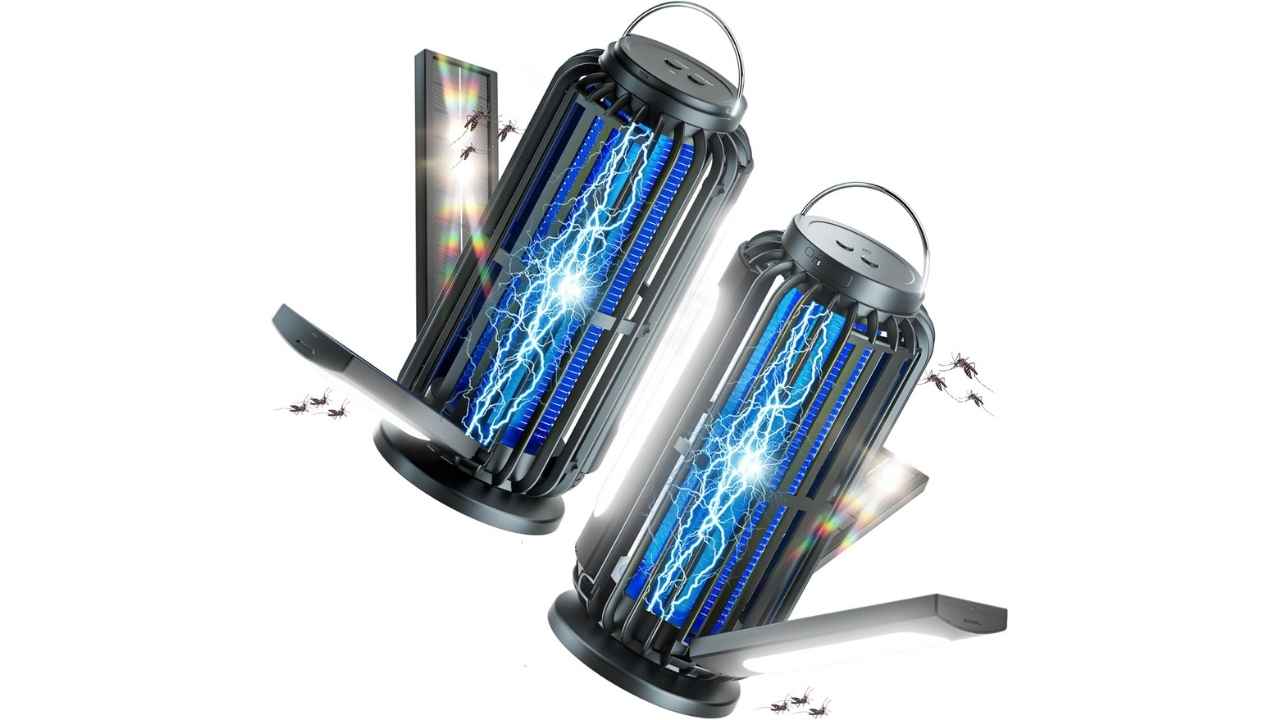 Outdoor essential TYPEC Solar Bug Zapper (36% off) Solar-powered bug zappers for patios and camping. |


