



- Figure AI is bringing humanoid robots to Catalyst Brands’ Reno distribution center.
- The robots will help with repetitive sorting and packing work behind the scenes.
- Catalyst Brands owns familiar names like JCPenney, Aéropostale and Brooks Brothers.
- The deal raises new questions about warehouse jobs, automation and worker training.
Humanoid robots just got another real job. This time, they are clocking in behind the scenes at a major retail operation. Figure AI has signed a commercial agreement with Catalyst Brands. That is the company behind JCPenney, Aéropostale, Brooks Brothers, Eddie Bauer, Lucky Brand and Nautica.
The first rollout begins at Catalyst’s Reno, Nevada Distribution Logistics Center. So, no, these robots are not greeting shoppers or folding jeans in the store aisle. At least not yet.
For now, they are heading into warehouse and supply chain work. Still, the announcement has some people worried. Many see humanoid robots entering a workplace and immediately wonder what happens to human jobs. That concern is fair.

Figure’s humanoid robots enter warehouse work
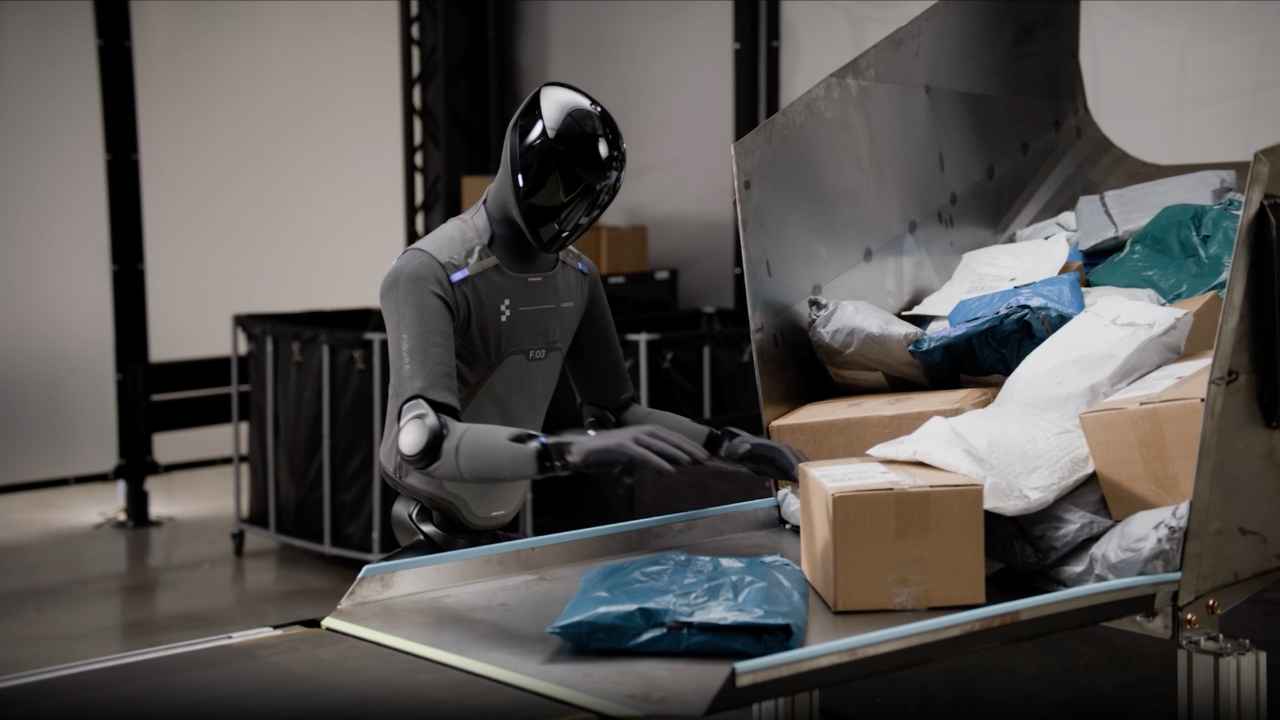
Catalyst Brands says Figure’s humanoid robots will help with supply chain work. The companies say the robots will focus on repetitive, physically demanding sorting and packing tasks. In other words, this starts with warehouse work that can wear people down over time. The robots will first assist with Catalyst’s Joey Pouch sorting system in Reno. That system helps with computerized induction, sorting and packing inside the facility. Catalyst says the Reno site also underwent a $40 million infrastructure update in 2024.
“As we invest in and scale our portfolio, this collaboration with Figure shows how emerging technologies can modernize our operations while strengthening our workforce,” said Marc Rosen, CEO of Catalyst Brands. “When we automate routine tasks, our associates can focus on higher-value work and better serve our customers across all our brands.”
So, this is happening behind the scenes in the warehouse, not on the store floor. That detail is important, especially because some online reactions made it sound like robots were already headed into retail stores. The announcement points to warehouse operations first. Still, warehouse jobs are real jobs. That is why this deal is getting so much attention.
Credit: Figure AI
Why the Figure AI and Catalyst Brands deal stands out
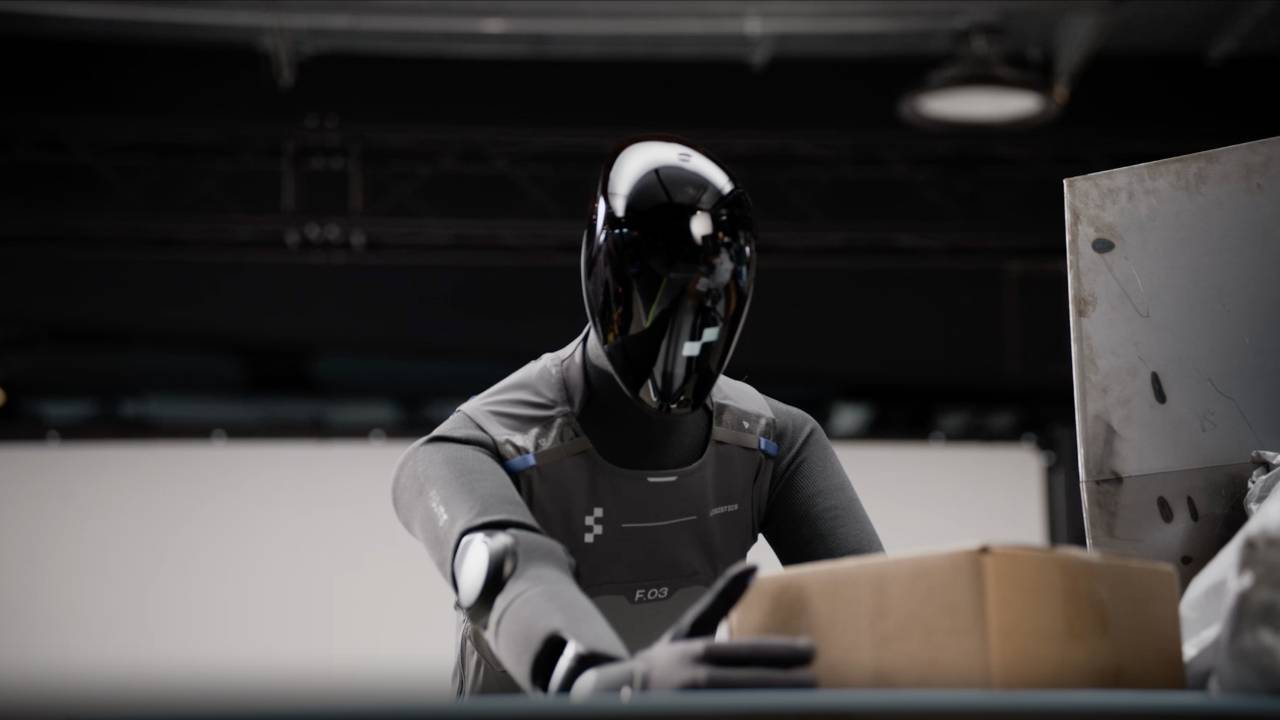
Catalyst Brands owns several major retail brands and operates a large retail network. Figure AI also describes this as a step toward deploying humanoid robots at scale, even though it has not said how many robots will be used.
There is also a financial connection behind the scenes. Brookfield is an investor in Figure and also has a stake in Catalyst Brands. Figure AI says this is the first commercial bridge between Figure and a Brookfield portfolio company.
If the robots perform well in Reno, the companies could look for more ways to use them across the business.
Credit: Figure AI
What Figure AI has not revealed yet
The announcement leaves out several key details. We do not know how many robots Figure AI will deploy. We do not know the exact start date. We also do not know whether Catalyst is buying the robots, leasing them or using a robots-as-a-service model. The companies have also not said how many human roles could change because of the rollout.
Figure AI says the robots are being integrated into Catalyst’s distribution facility and will focus on physically demanding work. However, the release does not spell out the exact jobs the robots will handle day to day.
That missing information gives people room to worry. It also gives people room to guess. And online, people did both. Some thought humanoid robots were coming straight into stores. Others focused on the bigger fear, which is that robots could take over jobs that people depend on.
Watch the latest episode of The CyberGuy Report.

Missed this event? Sign up via the registration form and see our live recording.
See Kurt’s latest Amazon picks for useful gadgets, smart home upgrades and everyday tech worth grabbing while the deals last.
Why humanoid robots make workers nervous
The fear around this deal goes beyond one company. Workers have already watched companies use AI to cut costs, slow hiring and reorganize teams. Now, physical robots are entering spaces where people lift, sort, pack and move products. That feels different.
Figure AI and Catalyst say the robots can handle routine tasks and help associates shift toward higher-value work. That sounds promising. However, workers may hear a very different message. They may wonder who gets retrained. They may also wonder who gets replaced. Companies cannot brush off those concerns. If humanoid robots are coming into more workplaces, workers deserve clear answers.
Credit: Figure AI
Why retail companies want warehouse robots
Warehouse work can be tough on the body. People lift boxes, move products, repeat the same motions and race to keep up when orders spike. That is why retail companies are looking hard at automation.
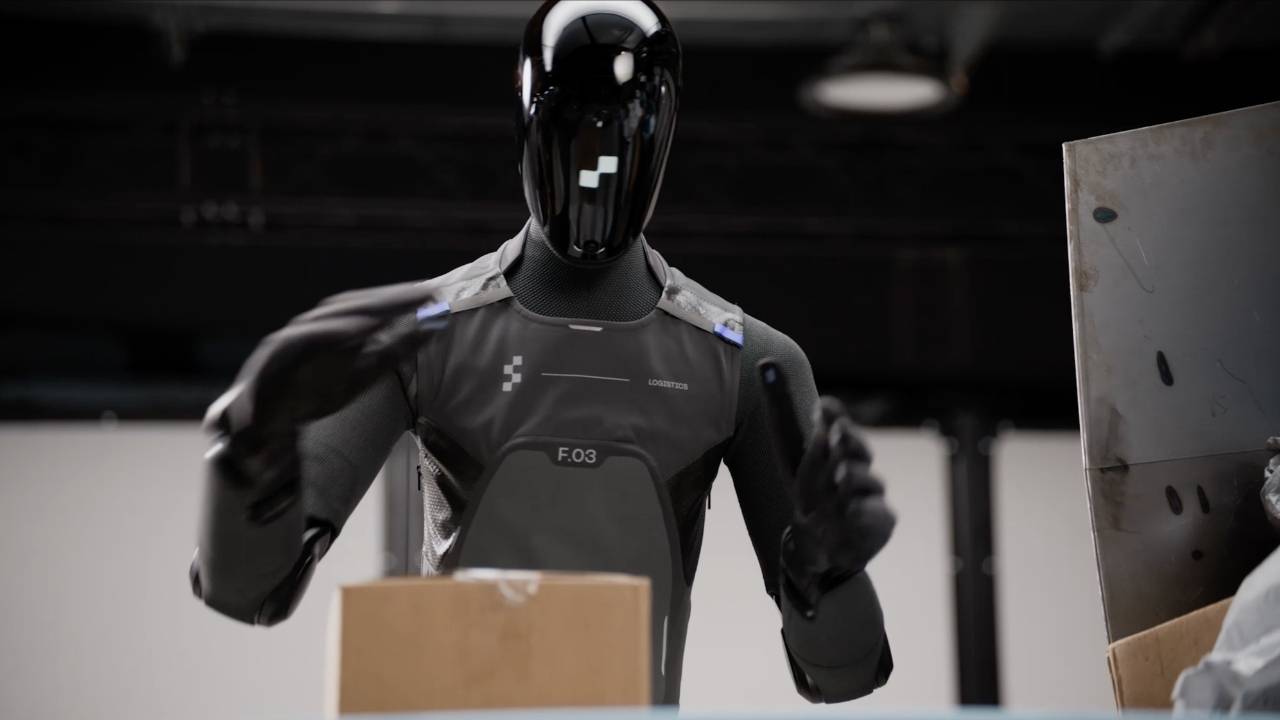
Figure’s pitch is that humanoid robots can fit into places already built for people. They do not need a warehouse rebuilt from scratch. In theory, they can step into certain jobs and help with repetitive work.
For a retailer, that could mean products move faster, and workers face less physical strain. It could also help during busy shopping seasons, when distribution centers get slammed.
What to watch next with Figure AI robots
The next big signal will be whether Catalyst expands the robot program beyond Reno. A small rollout may be a learning test. A wider deployment would point to a much larger shift in how retailers move products.
Watch for details on robot count, job duties and worker impact. Those specifics will tell us more than anything else. Also, pay attention to how companies talk about employees. If they say robots will help workers move into better roles, they should explain exactly how that will happen. Workers deserve more than buzzwords.
What this means to you
These robots may start in a warehouse, but the ripple effect could eventually reach workers, shoppers and prices.
For shoppers, the upside is easy to see. If robots help move products faster, stores may have fewer empty shelves. Online orders could also move through warehouses more quickly.
For workers, it gets more complicated. Companies often say robots will take over the hardest tasks so people can move into better roles. That sounds good, but workers need more than a promise. They need training. They need clear answers. They also need to know whether a robot is there to help them or replace them.
And for the rest of us, this raises a bigger question. Are we comfortable with retailers using humanoid robots if it makes shopping faster or cheaper? Or do we want companies to prove that people are still part of the plan?
Related Links:
- Humanoid robot cleans first US apartment
- Humanoid robots work nonstop in package test
- Humanoid robot shows speed and real skill
Kurt’s key takeaways
Figure AI’s deal with Catalyst Brands shows how quickly humanoid robots are entering our workplaces. For now, these robots are starting in a distribution center. They are not walking through the aisles at JCPenney. That distinction is important. Still, the bigger concern remains. People want to know whether these machines will help workers or slowly push them aside. Automation can reduce hard physical work. It can also create real fear when companies avoid direct answers. Humanoid robots may soon become a normal part of warehouse operations for retailers. The real test will be whether companies use them in a way that helps people, instead of treating people like a cost to cut.
Would you shop with a retailer that uses humanoid robots in its warehouses, or would that make you think twice? Let us know in the comments below.
OR MORE OF MY TECH TIPS & SECURITY ALERTS, SUBSCRIBE TO MY FREE CYBERGUY REPORT NEWSLETTER HERE
Copyright 2026 CyberGuy.com. All rights reserved. CyberGuy.com articles and content may contain affiliate links that earn a commission when purchases are made.
🎙 Now Streaming: My New Podcast: The CyberGuy Report
Kurt’s Top Deals
Deals move fast and inventory can be limited, so don’t wait too long.
| 🔥 Editor’s pick  Summer entertaining Ninja SLUSHi Machine (26% off) Frozen drinks and slushies at home in minutes. | |
| 💰 Top deal 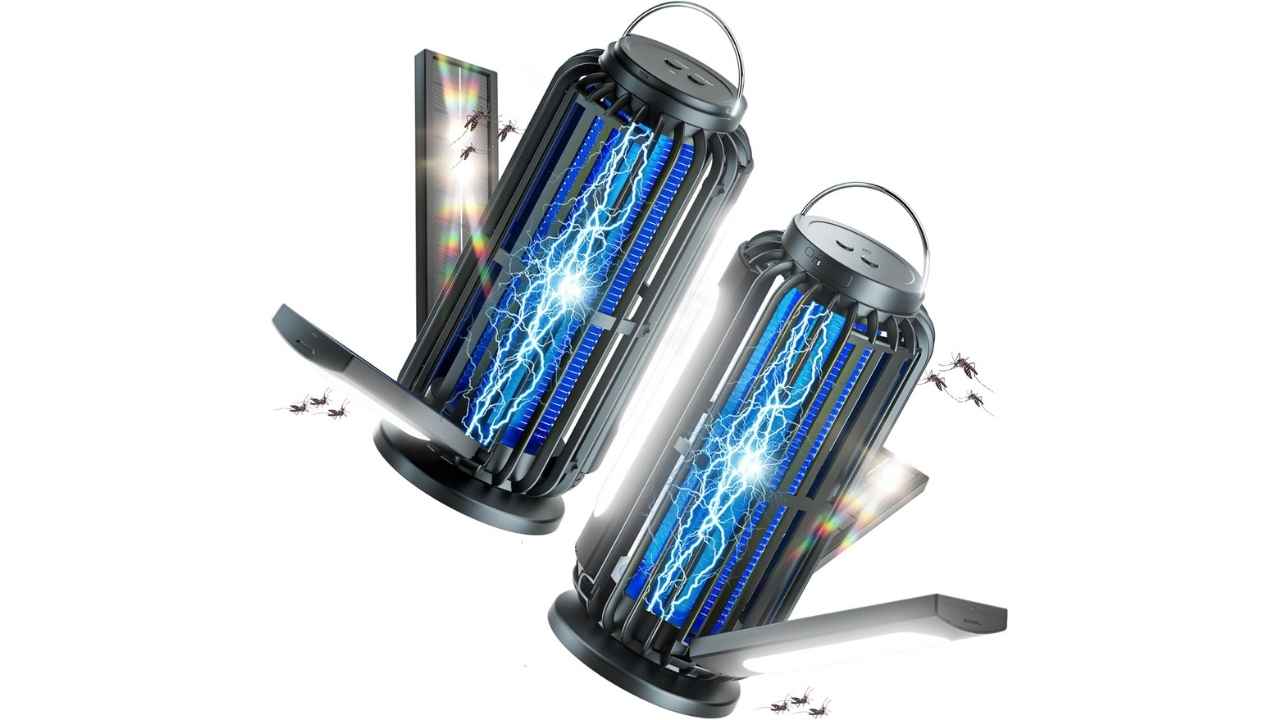 Outdoor essential TYPEC Solar Bug Zapper (36% off) Solar-powered bug zappers for patios and camping. |


