



- A new factory in China can produce up to 10,000 humanoid robots a year, with one unit completed every 30 minutes.
- The fully digital assembly line uses 24 stages and 77 inspection checks to improve efficiency and reliability.
- Companies are separating design and manufacturing to scale production faster and meet growing demand.
- Despite rapid progress in hardware, software remains the biggest challenge for real-world robot deployment.
For years, humanoid robots felt like something you watched on social media. Impressive, yes. Practical, not quite. That line just got blurry.
A new factory in China is now producing humanoid robots at a pace that feels closer to car manufacturing. One robot rolls off the line every 30 minutes.
That adds up to about 10,000 units a year. This is not a prototype phase anymore. This is real production.

Credit: CCTV
Inside China’s humanoid robot factory
The production line comes from a partnership between Leju Robotics and Dongfang Precision Science & Technology. What makes this facility stand out is how structured and repeatable the process has become.
There are 24 precision assembly stages. On top of that, 77 inspection steps check everything before a robot leaves the line. That level of testing matters because reliability has always been a weak spot for humanoid machines. Efficiency also jumped. The company says output improved by more than 50 percent compared to older production methods.
Then there is flexibility. The system can switch between robot models without shutting everything down. That means the same factory can serve multiple industries, from automotive to home appliances. This is how you move from cool tech to actual business.
Why humanoid robot production at 10,000 units matters
The robotics industry has reached a turning point. It is no longer enough to show what a robot can do. Companies now need to prove they can build them at scale.
That shift is showing up across the market.
- Agibot has already hit 10,000 units
- Unitree Robotics is planning a major expansion with new funding
- UBTECH Robotics is working to lower costs to below $20,000 per robot
Investors are watching production numbers closely. High output signals that a company can move beyond demos and into real deployment. It also shows confidence that there will be actual demand.

Credit: CCTV
The shift to large-scale humanoid robot manufacturing
There is another important change here that is easy to miss. Companies are splitting roles. In this case, Leju Robotics focuses on design and software. Dongfang Precision Science & Technology handles production and scaling. This model looks a lot like how other tech industries evolved. One group builds the brain. Another builds the product at scale. That separation could speed things up across the entire robotics space.
What is still holding humanoid robots back
Even with all this progress, one big problem remains. Software. Building the body is getting easier. Teaching it how to function in the real world is still difficult. Homes, warehouses and public spaces are unpredictable. Objects vary in shape. Lighting changes. Tasks that seem simple for humans can confuse a machine. Factories can now produce thousands of robots. That does not guarantee those robots will be useful right away. The pressure is shifting toward AI developers to close that gap.

Credit: CCTV
A Texas mom says she spent the night in jail after speaking up online about dirty water in her town. The case was later dropped, but her story raises a troubling question: could something you post online ever put you at risk?

Join Kurt this Saturday, June 13 at 10 AM ET for quick phone privacy and security fixes.
See Kurt’s 2026 picks for practical tech and everyday upgrades.
What this means to you
This might feel far removed from everyday life. It is not. As production ramps up, costs usually come down. That opens the door for more businesses to adopt humanoid robots. You could start seeing them in warehouses, retail environments or service roles sooner than expected. At the same time, this raises questions about jobs, safety and how comfortable people feel interacting with machines that look and move like humans. The speed of this shift is what stands out. What felt experimental last year is now moving toward mainstream deployment.
Related Links:
- Are robots coming to a McDonald’s near you?
- China’s robotics giant puts 200 robots to the test
- Humanoid robots are getting smaller, safer, and closer
Kurt’s key takeaways
Humanoid robots are entering a new phase. The conversation is no longer about whether they can be built. It is about how fast they can be produced and where they will actually work. Factories like this one in China are setting the pace. Now the rest of the industry has to keep up.
If humanoid robots become common in workplaces, where would you draw the line between helpful automation and going too far? Let us know in the comments below.
FOR MORE OF MY TECH TIPS & SECURITY ALERTS, SUBSCRIBE TO MY FREE CYBERGUY REPORT NEWSLETTER HERE
Copyright 2026 CyberGuy.com. All rights reserved. CyberGuy.com articles and content may contain affiliate links that earn a commission when purchases are made.
🎙 Now Streaming: My New Podcast: The CyberGuy Report
Kurt’s Top Deals
Deals move fast and inventory can be limited, so don’t wait too long.
| 🔥 Editor’s pick  Summer entertaining Ninja SLUSHi Machine (26% off) Frozen drinks and slushies at home in minutes. | |
| 💰 Top deal 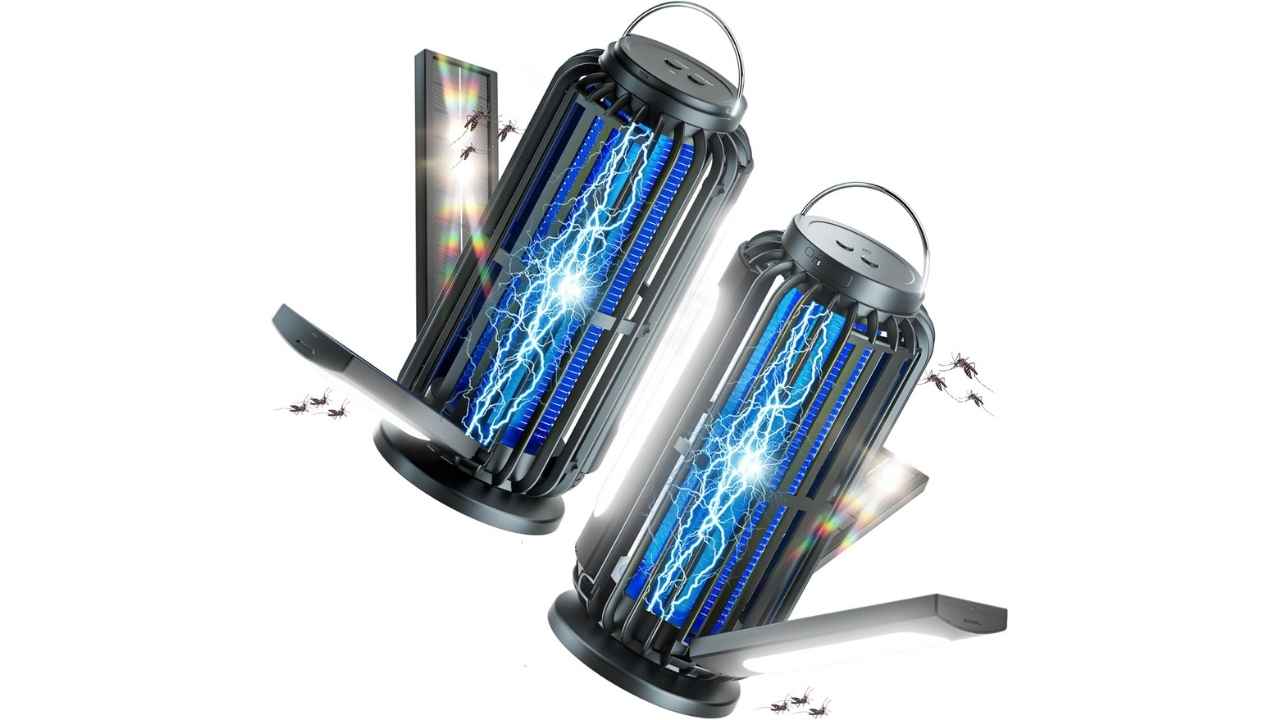 Outdoor essential TYPEC Solar Bug Zapper (36% off) Solar-powered bug zappers for patios and camping. |


