



Fixing underground water pipes usually means digging up roads and sidewalks-a process that’s disruptive and expensive. However, researchers at the University of Sheffield in the UK are working on a different approach. They’ve developed small robots called “Pipebots” that can travel inside water pipes to find and potentially repair leaks, all without any excavation.

Credit: University of Sheffield
Old leaky underground pipes are causing a crisis
The UK has some of the oldest water systems in the world, with parts of the network still dating back to the Victorian era. Not surprisingly, many of these pipes are leaking, wasting about 790 million gallons of water every day. Fixing them usually means digging up streets, which causes major disruption and adds to the country’s $5 billion a year maintenance costs.

Credit: University of Sheffield
HUMANOID ROBOTS HANDLE QUALITY CHECKS AND ASSEMBLY AT AUTO PLANT
Little robots come to the rescue
Pipebots are tiny, high-tech helpers designed to navigate the underground world of water pipes. Each one comes with acoustic sensors, cameras, and rugged wheels that help it move through tight, twisty spaces-while smart enough to steer clear of off-limits areas.
They’re dropped into the water system through hydrants and travel in groups, scanning the inside of pipes for even the smallest cracks. When they spot a problem, they send the details back to engineers above ground, making it easier to fix issues without digging anything up.

Credit: University of Sheffield
ROBOT-RUN STORE VENHUB IS CHANGING THE FUTURE OF SHOPPING
The robots are part of a bigger innovation plan
These robots are part of a larger effort to modernize how the UK manages its aging water infrastructure. The initiative isn’t just a university research project-it’s supported by the UK’s water regulator, OFWAT (the Water Services Regulation Authority), and involves several collaborative projects.
One of these projects focuses on using Pipebots to inspect live, pressurized wastewater pipes, also known as raising mains. The goal is to catch problems early and make repairs before leaks cause pollution.
Another project, called “no dig leak repair,” is working on ways to fix leaks from inside the water mains themselves, completely avoiding the need for disruptive roadwork.
There’s also the EU-funded Pipeon Project, which is developing advanced, AI-powered robots that can inspect sewers autonomously, without human guidance.
A Texas mom says she spent the night in jail after speaking up online about dirty water in her town. The case was later dropped, but her story raises a troubling question: could something you post online ever put you at risk?

Join Kurt this Saturday, June 13 at 10 AM ET for quick phone privacy and security fixes.
See Kurt’s 2026 picks for practical tech and everyday upgrades.

Credit: University of Sheffield
Kurt’s key takeaways
These little robots could be exactly what countries everywhere need to keep their water systems running smoothly. They have the potential to make maintenance cleaner, more affordable, and way more efficient. That’s especially important for developing countries where budgets are tight and infrastructure is aging or incomplete. As the pressure to conserve water grows, tools like Pipebots could make a real difference in helping us manage this vital resource more wisely.
What water infrastructure challenges exist in your area, and do you think robots like these could help? Let us know your thoughts in the comments below.
FOR MORE OF MY TECH TIPS & SECURITY ALERTS, SUBSCRIBE TO MY FREE CYBERGUY REPORT NEWSLETTER HERE
🎙 Now Streaming: My New Podcast: The CyberGuy Report
Kurt’s Top Deals
Deals move fast and inventory can be limited, so don’t wait too long.
| 🔥 Editor’s pick  Summer entertaining Ninja SLUSHi Machine (26% off) Frozen drinks and slushies at home in minutes. | |
| 💰 Top deal 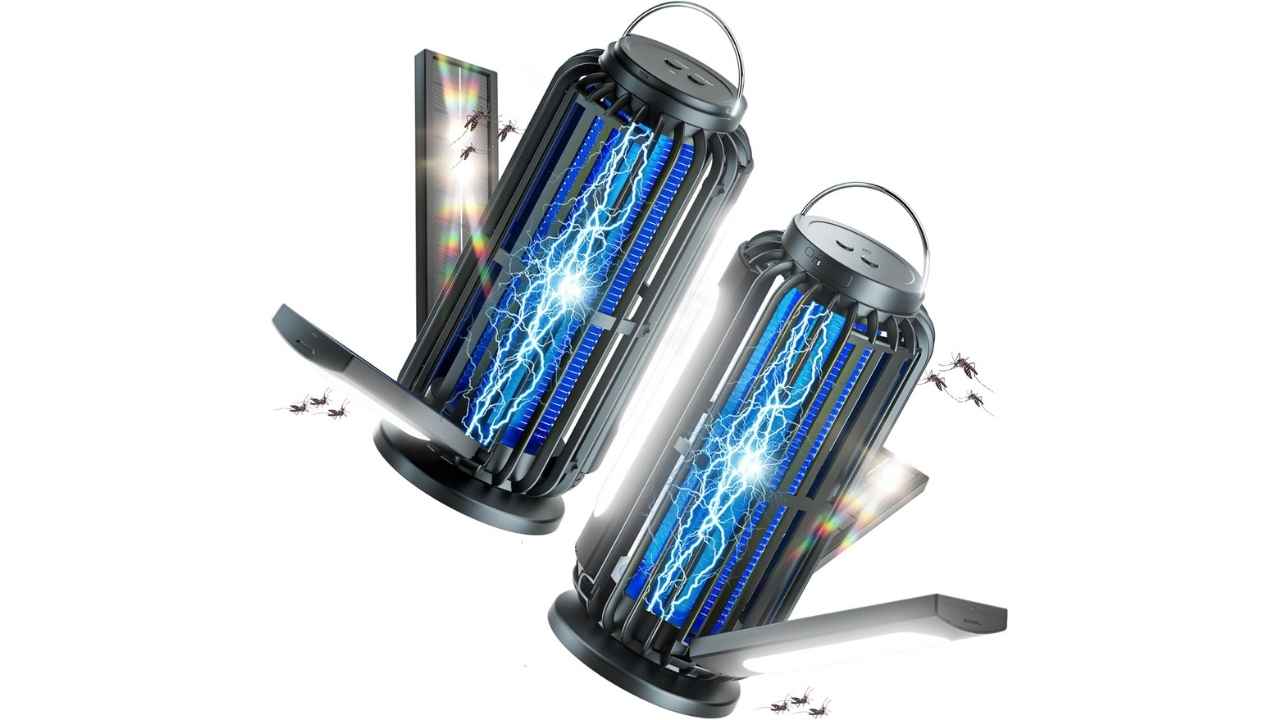 Outdoor essential TYPEC Solar Bug Zapper (36% off) Solar-powered bug zappers for patios and camping. |


