



Selling your car online should be simple. Lately, though, more sellers are running into fake “vehicle report” demands from so-called buyers. The pitch looks routine, yet it leads straight to a payment page on a site you don’t know. We heard from Nick K of Washington, who spotted the pattern in real time. He emailed us saying,
“In trying to sell a car, it has become apparent that there is a scam related to CarFax-type reports. The way it works is a guy texts or emails saying they are interested in your car, but they say they must have a car report from a specific service. At first I thought it was just a way for a guy to sell more reports, but after thinking about it for a while, it seems like it could be a great way to harvest credit card numbers, etc. I have not been a victim of this, but in the course of selling a car recently I had several instances of this. There are several warning signs: “will you accept cash?” Questions indicating they have not read the ad. Offering more than the ad asks for. Short non-sensical first contact. These are just the usual signs I am looking for when I am trying to decide if someone responding to a Craigslist or FB ad is legit.” – Nick K, WA
Nick’s instincts are spot on. This Craigslist car report scam has been spreading across Craigslist, Facebook Marketplace and other online classifieds.

How the Craigslist car report scam works
This scam often starts with a message that looks completely normal. A supposed buyer texts asking something like this, “1985 F150 Available?” and quickly follows up with friendly but vague questions such as, “Okay, I’m interested in seeing it. When and where would be good for you?”
Once you respond, they build just enough rapport to sound legitimate. Then comes the setup. The “buyer” says they’re serious about purchasing but want to see a detailed ASR report first, something most sellers have never heard of.
That’s exactly what happened to Nick K. After he shared the Craigslist link and vehicle details, the fake buyer sent this reply:
“Auto Smart Report, here’s the link you can get the papers from. Oh, I forgot to ask for your name? I’m Richard. Will you accept a cash payment? Let me know.”
It sounds harmless, even reassuring. But the scam hinges on getting you to click that link. The site looks professional, promising a “Complete Vehicle History at Your Fingertips.” Yet once you enter your information, you’re not buying a report; you’re handing over your credit card details and personal data to criminals.
When the seller, in this case, pushed back, the scammer doubled down with more pressure tactics:
“If you can show me the Auto Smart Report, that would be great, as it’s the most reliable and complete report. My offer to you is $7,000. I have no issue with that.” Notice the scammer just increased the amount that he is willing to pay for the vehicle by $500.00.
They’ll say anything to keep you engaged and make the transaction sound routine. But the moment you pay for the fake report, the buyer disappears. Their only goal is to harvest your financial information, not to purchase your vehicle.

Warning signs to watch for
- Requests for unknown report names like “ASR”
- Messages that ignore your ad details
- Offers above your asking price
- Phrases like “will you accept cash?” or “I just need to see a report first”
- Demands for a specific site instead of accepting a Carfax, AutoCheck or NMVTIS report
- Generic greetings like “dear,” “brother” or “friend”
If you see two or more of these at once, treat the lead as suspicious.

How to stay safe from Craigslist car report scams
Even the most convincing buyer can turn out to be a scammer, but these smart moves can help you stay safe, protect your money and keep your personal data out of the wrong hands.
1) Do not click buyer-sent links and use strong antivirus software
Avoid clicking any link sent through text, email or messaging apps. These often lead to phishing sites or hidden malware downloads. Keep your devices protected with strong antivirus software. Run regular scans and keep your software updated to block new threats.
The best way to safeguard yourself from malicious links that install malware, potentially accessing your private information, is to have strong antivirus software installed on all your devices. This protection can also alert you to phishing emails and ransomware scams, keeping your personal information and digital assets safe.
TotalAV is easy to set up and offers real-time protection for paid users, keeping your devices safe around the clock. It includes tools to block phishing scams, remove ransomware and spyware, and clean up adware and junk files. The software also features a browser manager, system tune-up tools, and protects across Windows, Mac, Android, and iOS devices. GET MY EXCLUSIVE CYBERGUY TOTALAV DEAL: Please note: - If you're on a mobile device, hold down the link above, "Copy Link", and then paste it into a private or incognito browser. - If you're on a laptop or desktop, right click the link, "Copy Link", and then paste it into a private or incognito browser. 2) During registration you may see optional upsells you can decline. Our top pick is the core antivirus product. 3) If you need help after your purchase, you can reach TotalAV directly through their official support page here.
1) If you're having difficulty seeing either of the above deals, do this:
2) Never enter payment info on unfamiliar sites
If a buyer insists you use a website you’ve never heard of, stop immediately. Always verify a site’s legitimacy before sharing any financial or personal details.
3) Use a data-removal service
Consider services like Incogni or DeleteMe to remove your personal details from data broker sites. This limits how easily scammers can find and target you.
While no service can guarantee the complete removal of your data from the internet, a data removal service is really a smart choice. They aren’t cheap, and neither is your privacy. These services do all the work for you by actively monitoring and systematically erasing your personal information from hundreds of websites. It’s what gives me peace of mind and has proven to be the most effective way to erase your personal data from the internet. By limiting the information available, you reduce the risk of scammers cross-referencing data from breaches with information they might find on the dark web, making it harder for them to target you.
Incogni, a service I trust 100% and use myself, helps automate the process by submitting removal requests to hundreds of data brokers and people-search sites on your behalf.
Incogni automatically contacts data brokers on your behalf and requests the removal of your personal information. It also continues monitoring those sites and submits new removal requests if your data reappears.
- Incogni currently removes personal data from 420+ data broker and people-search websites, and its Unlimited plan allows you to request removals from as many additional sites as you need.
- Incogni has also received third-party assurance from Deloitte, validating its marketing claims.
- The goal is simple: make it much harder for strangers, scammers, and cybercriminals to find your personal information online.
CyberGuy readers get 60% off Incogni’s annual plans using the links in this article.
The service also includes a 30-day money-back guarantee, so you can try it risk-free and see how much of your information is exposed online.
4) Use trusted report services
Stick to established names like Carfax, AutoCheck or NMVTIS. These are widely recognized and accepted by real buyers.
A Texas mom says she spent the night in jail after speaking up online about dirty water in her town. The case was later dropped, but her story raises a troubling question: could something you post online ever put you at risk?

Missed this event? Sign up via the registration form and see our live recording.
See Kurt’s 2026 picks for practical tech and everyday upgrades.
5) Share your VIN in the ad
Including your vehicle’s VIN lets genuine buyers run their own reports safely without needing your involvement.
6) Block and report scammers
Report suspicious messages directly to the platform and to the FTC at reportfraud.ftc.gov. Sharing details helps others stay safe.
7) If you paid on a fake site
Contact your bank right away, cancel the card and monitor your account for unauthorized charges. Quick action can prevent further loss.
8) Meet smart and stay cautious
When meeting a buyer, choose a public place with security cameras. Bring a friend, keep your phone charged and document all communication.
Related Links:
- Top scams targeting our military heroes and how to avoid them
- The #1 Google search scam everyone falls for
- Connecticut man loses life savings in crypto scam
Kurt’s key takeaways
This scam works because a vehicle report sounds routine. A fake buyer pushes you to a site you’ve never heard of, then applies pressure to act fast. Slow down, verify and stick to well-known services. Real buyers will accept a report you provide or will run one themselves. You can still sell safely on marketplaces by following a few simple rules. Control the process, choose the report source and avoid links sent by strangers. Thanks to readers like Nick, more sellers can spot the trap before any money or data is at risk.
Have you seen buyers pushing odd report sites when you sell online? What tipped you off first? Let us know in the comments below.
FOR MORE OF MY TECH TIPS & SECURITY ALERTS, SUBSCRIBE TO MY FREE CYBERGUY REPORT NEWSLETTER HERE
Copyright 2025 CyberGuy.com. All rights reserved. CyberGuy.com articles and content may contain affiliate links that earn a commission when purchases are made.
🎙 Now Streaming: My New Podcast: The CyberGuy Report
Kurt’s Top Deals
Deals move fast and inventory can be limited, so don’t wait too long.
| 🔥 Editor’s pick  Summer entertaining Ninja SLUSHi Machine (26% off) Frozen drinks and slushies at home in minutes. | |
| 💰 Top deal 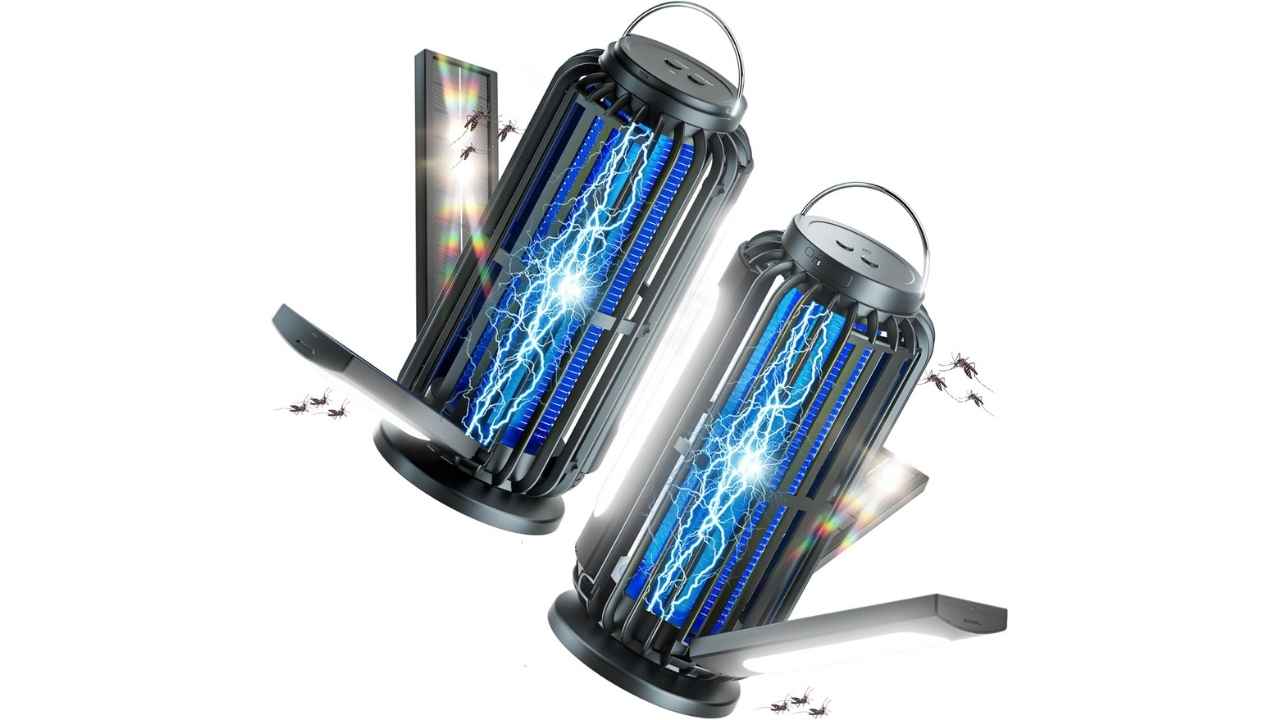 Outdoor essential TYPEC Solar Bug Zapper (36% off) Solar-powered bug zappers for patios and camping. |


1 comment
I just listed a vehicle and spotted this scam (which is what prompted me to search to see how well known it is). I have 4 “buyers” trying to run the same scam on me within 1 day of listing the vehicle. Interacting with these “buyers”, I’ve detected that they are probably AI. This can be tested by asking questions that are a bit off and difficult for a computer to spot, but would be instantly recognized by a real person.
Used to be “buyer beware” — but now it’s as much “seller beware” on Craig’s List. Making me somewhat sorry I chose to list my vehicle there…but I’m sure other platforms are just as plagued with scams.