



- Task scams promise easy online jobs but trick victims into sending money to continue working.
- FTC reports show task scam losses surged to more than $220 million.
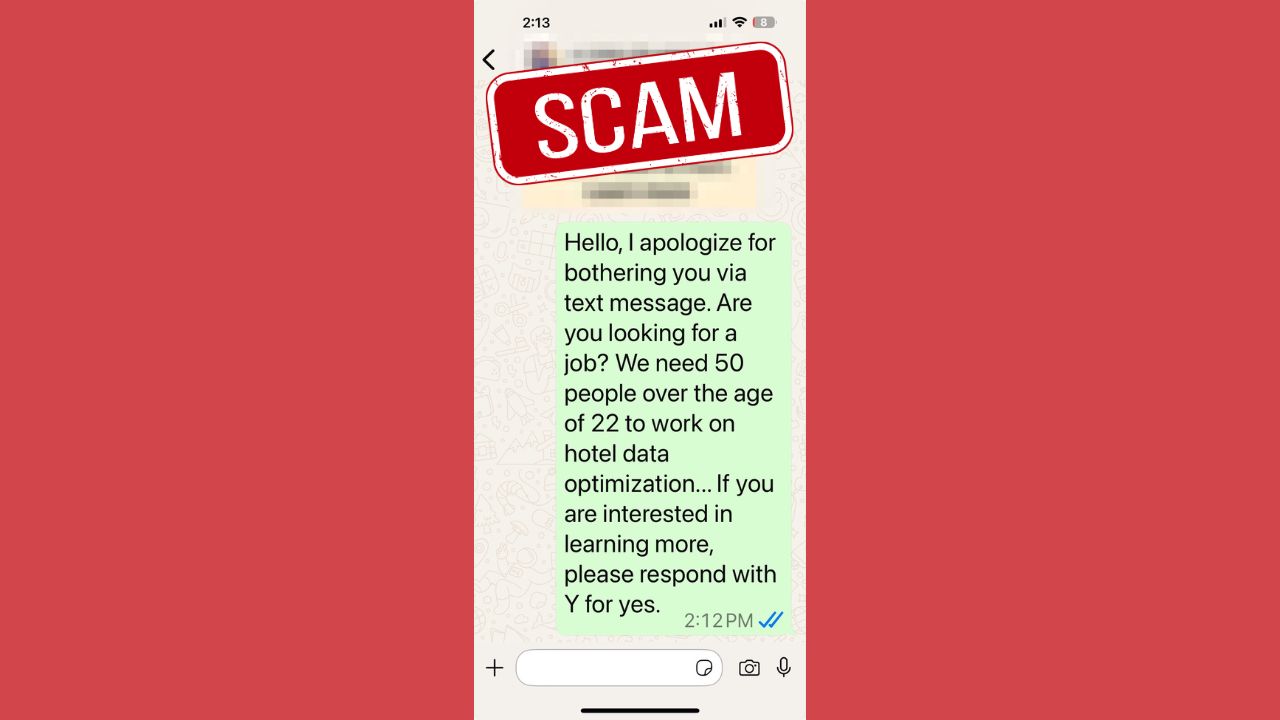
- Scammers often contact targets through texts or WhatsApp with vague job descriptions.
- Limiting personal data online and verifying job offers can help reduce scam risks.
So you’re retired. Whether it’s been a long-awaited sigh of relief or a much-dreaded stage of your life, it’s here now. You finally have more time. But maybe there’s a way to make some extra side cash in retirement? The poverty rate for Americans 65 and older has dropped significantly over the past 50 years. In fact, the older population is projected to rise from about 58 million in 2022 to 82 million by 2050, making up nearly 23% of the U.S. population.
That doesn’t mean retirees can now afford holidays in Palm Beach or a private painting tutor. In fact, more than 17 million (roughly 1 in 3) adults aged 65+ are economically insecure, with a median yearly income below $30,000. A third of them are also considering going back to work because their savings aren’t enough to cover their expenses. If you’re also on this journey or know someone who is, then read on.

Task scams: A new trend that could cost you dearly
According to recent data from the Federal Trade Commission (FTC), the number of task scam reports has significantly increased in the past four years, rapidly increasing in the first six months of 2025, resulting in more than $220 million in losses. What exactly are task scams? They’re a type of job scam where you think you’re getting paid to do easy tasks online, like rating products, but end up losing money instead.
How to spot a task scam?
Task scams are becoming increasingly sophisticated, but there are clear warning signs you can watch out for. These scams often begin with an unexpected message about an easy online job opportunity. Here are some key red flags to help you identify a task scam:
- Unsolicited job offers via text or WhatsApp
- Vague job descriptions like “app optimization” or “product boosting”
- Requests to complete tasks on unfamiliar platforms
- Initial small payouts to build trust
- Sudden requests for you to invest your own money
- Promises of big returns for small investments
- Pressure to use cryptocurrency for payments.
Not falling for a job scam is half the win. Preventing scammers from contacting you in the first place is another.
Your personal information is easy to find online
You may wonder, “How did they get my number in the first place? And if they have it, who else has?” You’re right, anyone can easily find your phone number, name, address or date of birth online. All of this data, and much more, is publicly listed on people search sites. People search sites, or public data brokers, display your data to anyone who’s interested, including marketing companies and scammers building their next job scam campaign. Cybercriminals can also find this information in the databases of private data brokers. Private data brokers harvest personal information too, but don’t give access to their databases.
However, many will happily sell a list of potential targets to the highest bidder, and your name is likely on this list already. Data brokers aside, a lot of us voluntarily give up personal information on all sorts of forms, forums, blogs, and social media accounts. Since the US doesn’t have a comprehensive federal law protecting personal data, anything that you publish online may eventually be shared and sold without your consent.

Protecting yourself in retirement when taking on side hustle opportunities
So you’re thinking about dipping your toes into the side hustle pool? That’s great, but before you dive in, let’s make sure you’re equipped with the right safety tips to keep those scammers at bay.
1) Invest in personal data removal services
Consider using data removal services that help remove your personal information from people search sites and data brokers. These services can reduce your online exposure and minimize the risk of scammers finding your information. While no service promises to remove all your data from the internet, having a removal service is great if you want to constantly monitor and automate the process of removing your information from hundreds of sites continuously over a longer period of time.
Incogni, a service I trust 100% and use myself, helps automate the process by submitting removal requests to hundreds of data brokers and people-search sites on your behalf.
Incogni automatically contacts data brokers on your behalf and requests the removal of your personal information. It also continues monitoring those sites and submits new removal requests if your data reappears.
- Incogni currently removes personal data from 420+ data broker and people-search websites, and its Unlimited plan allows you to request removals from as many additional sites as you need.
- Incogni has also received third-party assurance from Deloitte, validating its marketing claims.
- The goal is simple: make it much harder for strangers, scammers, and cybercriminals to find your personal information online.
CyberGuy readers get 60% off Incogni’s annual plans using the links in this article.
The service also includes a 30-day money-back guarantee, so you can try it risk-free and see how much of your information is exposed online.
Is your personal information exposed online?
Run a free scan to see if your personal info is compromised. Results arrive by email in about an hour.
2) Be cautious of unsolicited job offers
Ignore unexpected messages about easy online job opportunities. Be wary of vague job descriptions like “app optimization” or “product boosting”.
3) Verify the legitimacy of online tasks
Research unfamiliar platforms before completing tasks. Be suspicious of requests to use your own money or cryptocurrency. A legitimate potential employer will never ask you to pay for work opportunities.
4) Protect your personal information
Limit sharing personal data on forms, forums, and social media.
5) Don’t click on links and invest in strong antivirus software
Antivirus software helps protect your devices by monitoring your online activity, blocking access to malicious websites, and preventing harmful downloads. The best way to safeguard yourself from malicious links that install malware, potentially accessing your private information, is to have strong antivirus software installed on all your devices. This protection can also alert you to phishing emails and ransomware scams, keeping your personal information and digital assets safe.
TotalAV is easy to set up and offers real-time protection for paid users, keeping your devices safe around the clock. It includes tools to block phishing scams, remove ransomware and spyware, and clean up adware and junk files. The software also features a browser manager, system tune-up tools, and protects across Windows, Mac, Android, and iOS devices.
GET MY EXCLUSIVE CYBERGUY TOTALAV DEAL:
Please note:
1) If you're having difficulty seeing either of the above deals, do this:
- If you're on a mobile device, hold down the link above, "Copy Link", and then paste it into a private or incognito browser.
- If you're on a laptop or desktop, right click the link, "Copy Link", and then paste it into a private or incognito browser.
2) During registration you may see optional upsells you can decline. Our top pick is the core antivirus product.
3) If you need help after your purchase, you can reach TotalAV directly through their official support page here.
By following these steps, you can better protect yourself financially and emotionally during retirement, reducing the risk of falling victim to scams and ensuring a more secure and enjoyable retirement experience.
Related Articles:
- How to remove yourself from the Internet
- How retirees can stop fake debt collector scams
- Scams that aren’t illegal (but should be)
Kurt’s key takeaways
Legitimate employers don’t use WhatsApp or texting for employee sourcing. They also won’t ask you to pay for work opportunities. If someone asks you to invest money to earn more, it’s likely a scam. Returning to work in retirement can be a fantastic way to boost your income and stay socially connected. Use your years of experience to your advantage, stay safe, and best of luck in your job hunt.
What side hustles have you explored or are considering in retirement, and what factors influenced your decision? Let us know in the comments below.
FOR MORE OF MY SECURITY ALERTS, SUBSCRIBE TO MY FREE CYBERGUY REPORT NEWSLETTER HERE
Copyright 2026 CyberGuy.com. All rights reserved. CyberGuy.com articles and content may contain affiliate links that earn a commission when purchases are made.
🎙 Now Streaming: My New Podcast: The CyberGuy Report
Kurt’s Top Deals
Deals move fast and inventory can be limited, so don’t wait too long.
| 🔥 Editor’s pick  Summer entertaining Ninja SLUSHi Machine (26% off) Frozen drinks and slushies at home in minutes. | |
| 💰 Top deal  Outdoor essential TYPEC Solar Bug Zapper (36% off) Solar-powered bug zappers for patios and camping. |