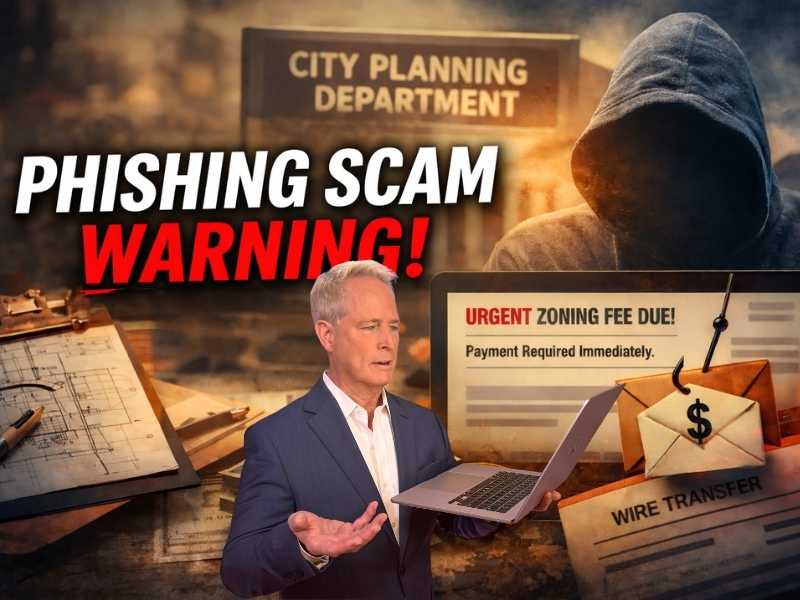



- FBI warns scammers are impersonating city zoning officials to request fake permit payments.
- Emails often include real property addresses or permit numbers gathered from public records.
- Victims are pressured to pay fees quickly through wire transfers, peer-to-peer apps, or cryptocurrency.
- The FBI urges applicants to verify payment requests directly with their local planning office.
If you are building a home, renovating a property or applying for a zoning permit, there is a new scam you need to watch for. The Federal Bureau of Investigation says criminals are impersonating city and county planning officials in a phishing campaign designed to trick victims into paying fake permit fees.
The messages often look very convincing. A typical fake scam email might look like the one below. In many cases, scammers already know details about the property or the permit application. That makes the email feel real and urgent.
Unfortunately, once victims send the payment, the money is usually gone.

How the zoning permit phishing scam works
According to the FBI, criminals start by gathering publicly available information about zoning applications and development permits. Much of this information is available through city and county government websites. Once scammers find a target, they send an email pretending to come from a local planning or zoning department. The email may include:
- A property address
- A zoning or permit application number
- References to a scheduled hearing
- An invoice for supposed permit fees
The message often claims the payment must be made quickly to avoid delays in the permit approval process. Victims are then instructed to send money using wire transfers, peer-to-peer payment apps or cryptocurrency. Those payment methods are difficult to trace and even harder to recover.
Why the scam emails look so convincing
This scam works because it taps into a real process that many homeowners and businesses already deal with. Planning approvals, zoning permits and building applications often involve fees and official correspondence. When a message arrives that mentions your property or project, it feels legitimate. Criminals also carefully time their messages. Some phishing emails arrive shortly after applicants receive real communication from a local planning department.
The FBI says another warning sign is the email address. Many of the messages come from domains that look official but are not government domains. For example, scammers may use addresses ending in @usa.com or other non-government domains.

Red flags that signal a zoning permit scam
The FBI says several warning signs often appear in these phishing messages.
- First, the sender email address may not end in a legitimate .gov domain.
- Second, the message may include an attachment asking you to request additional details by replying to the email.
- Third, the message may create urgency by claiming your permit will be delayed unless payment is made immediately.
- Finally, the email may demand payment through unusual methods such as wire transfers, peer-to-peer apps or cryptocurrency.
Legitimate government offices rarely request permit payments this way.
This type of government impersonation is growing
Impersonating government officials has become a common tactic for scammers. In recent years, the FBI has warned about criminals pretending to be law enforcement agents, federal officials and even employees of the Internet Crime Complaint Center (IC3).
In one reported case, scammers contacted fraud victims and claimed they could help recover lost money. The criminals pretended to work for the FBI. The bureau has also warned about criminals using AI-generated audio deepfakes to impersonate government officials in voice phishing attacks. These schemes show how quickly scammers adapt their tactics.
A Texas mom says she spent the night in jail after speaking up online about dirty water in her town. The case was later dropped, but her story raises a troubling question: could something you post online ever put you at risk?

Missed this event? Sign up via the registration form and see our live recording.
See Kurt’s 2026 picks for practical tech and everyday upgrades.

How to stay safe from zoning permit phishing scams
The FBI shared several warnings about this scam. Here are practical steps you can take to protect yourself.
1) Verify the sender
Check the email address carefully. Official government communications typically come from a .gov domain.
2) Confirm fees directly
Contact your city or county planning department using the phone number listed on the official website.
3) Never rush payments
Scammers often create urgency. Take time to verify any request for money.
4) Avoid unusual payment methods
Government agencies rarely request payment through wire transfers, peer-to-peer apps or cryptocurrency.
5) Reduce your public data exposure
Scammers often gather details from public records, property listings and data broker sites to make their messages look legitimate. Using a data removal service like Incogni can help remove your personal information from many of these databases and reduce the chances that criminals can target you with highly personalized scams.
Incogni, a service I trust 100% and use myself, helps automate the process by submitting removal requests to hundreds of data brokers and people-search sites on your behalf.
Incogni automatically contacts data brokers on your behalf and requests the removal of your personal information. It also continues monitoring those sites and submits new removal requests if your data reappears.
- Incogni currently removes personal data from 420+ data broker and people-search websites, and its Unlimited plan allows you to request removals from as many additional sites as you need.
- Incogni has also received third-party assurance from Deloitte, validating its marketing claims.
- The goal is simple: make it much harder for strangers, scammers, and cybercriminals to find your personal information online.
CyberGuy readers get 60% off Incogni’s annual plans using the links in this article.
The service also includes a 30-day money-back guarantee, so you can try it risk-free and see how much of your information is exposed online.
Is your personal information exposed online?
Run a free scan to see if your personal info is compromised. Results arrive by email in about an hour.
6) Be cautious with attachments and links
Unexpected files or payment instructions can signal phishing. Do not click on any links or download attachments until you confirm the message is legitimate.
7) Use strong antivirus protection
Strong antivirus software such as TotalAV can detect phishing links, malicious downloads and suspicious websites before they compromise your device. Good security software can also warn you if you attempt to visit a known scam page. Get our CyberGuy exclusive deal: TotalAV – $19 deal for 5 licenses (read more here)
8) Report suspicious messages
If you receive a fraudulent email, report it to the FBI’s Internet Crime Complaint Center (IC3). Providing details like the email address used, the date of the message and the requested payment amount can help investigators track the criminals.
Related Links:
- Apple app password scam email warning
- Why widows and divorced women are targets for retirement scams
- Fake Google Gemini AI pushes ‘Google Coin’ crypto scam
Kurt’s key takeaways
Building permits and zoning approvals already involve paperwork, deadlines and fees. Scammers know this. They exploit the process to create messages that look authentic. A quick moment of verification can make the difference between moving your project forward and losing thousands of dollars to criminals. The more property owners, developers and businesses understand how these scams work, the harder it becomes for criminals to succeed. So the next time an email demands a permit fee, pause before you pay.
If a message about your property arrives asking for immediate payment, would you know how to tell if it came from your local government or a scammer? Let us know in the comments below.
FOR MORE OF MY TECH TIPS & SECURITY ALERTS, SUBSCRIBE TO MY FREE CYBERGUY REPORT NEWSLETTER HERE
Copyright 2026 CyberGuy.com. All rights reserved. CyberGuy.com articles and content may contain affiliate links that earn a commission when purchases are made.
🎙 Now Streaming: My New Podcast: The CyberGuy Report
Kurt’s Top Deals
Deals move fast and inventory can be limited, so don’t wait too long.
| 🔥 Editor’s pick  Summer entertaining Ninja SLUSHi Machine (26% off) Frozen drinks and slushies at home in minutes. | |
| 💰 Top deal 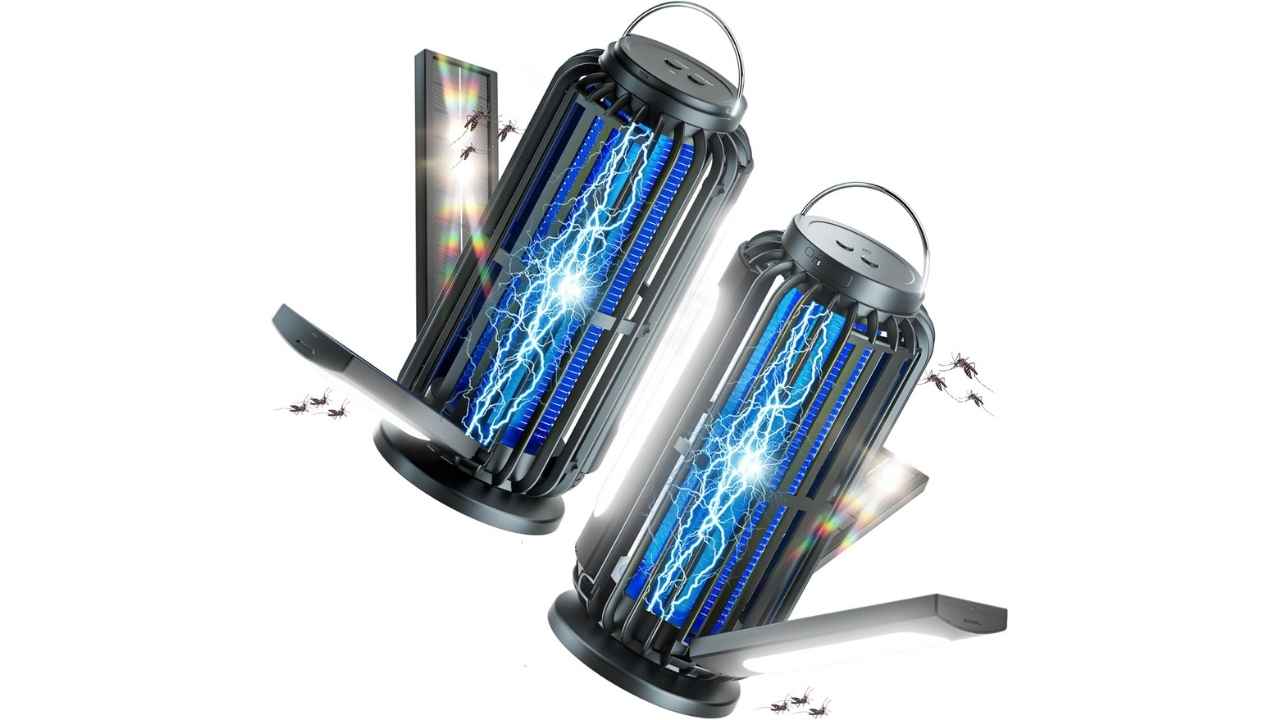 Outdoor essential TYPEC Solar Bug Zapper (36% off) Solar-powered bug zappers for patios and camping. |