



- Prosecutors charged 21 people in a $267 million scheme using stolen identities to bill for fake hospice care.
- Scammers enrolled victims in Medi-Cal without their knowledge and claimed end-of-life services that were never provided.
- This type of fraud often goes undetected because it does not show up on your credit report.
- Checking Medicare notices and monitoring your data can help catch this kind of identity theft early.
Earlier this month, the California Attorney General’s office filed charges against 21 people tied to a $267 million Medi-Cal hospice fraud ring.
The case, dubbed Operation Skip Trace, accuses the defendants of buying stolen personal information on the dark web, enrolling those identities in Medi-Cal through Covered California, and running 14 shell hospice companies that billed the state for end-of-life care that was never provided.
The patients were not dying. In many cases, they did not even live in California. They were names and Social Security numbers pulled from data breaches and turned into billing line items.

How hospice fraud scams actually work
Scammers pay people to put hospice companies in their names, even though they do not run them. This hides the real operators and gives the group a licensed business it can use to submit bills. Behind the scenes, others buy stolen personal information from dark web marketplaces. This includes names, dates of birth, Social Security numbers and addresses.
They then use that information to enroll people in Medi-Cal through Covered California and list them as terminally ill hospice patients. Next, the companies submit claims for visits, prescriptions and daily care tied to those names. They never provide any services. Because hospice care pays a flat daily rate, the billing continues as long as the identity stays active.
Why Los Angeles is the epicenter of hospice fraud
Operation Skip Trace is the latest in a string of hospice fraud cases that federal and state officials have been tracking for years. The typical hospice in Los Angeles County bills Medicare roughly $29,000 per patient, more than double the national average. Of the roughly 1,800 hospices operating in LA County, more than 700 have triggered multiple fraud red flags, according to state auditors.
On March 23, 2026, the U.S. House Committee on Oversight and Government Reform sent a letter to California Governor Gavin Newsom requesting documents on the state’s oversight of federally funded hospice programs. Committee members cited a “well-documented history of fraud,” including agencies enrolling beneficiaries without their knowledge and overbilling Medicare.
The Centers for Medicare & Medicaid Services estimates that Los Angeles County alone accounts for roughly $3.5 billion in hospice fraud. Newsom’s office said California has revoked more than 280 hospice licenses, maintained a moratorium on new providers, and has hundreds more operators under investigation.

What hospice fraud means for your identity and coverage
Most identity theft stories focus on credit cards, tax returns or new loans. Those usually show up on your credit report. Hospice fraud works differently. Scammers can use your information inside a Medicare or Medi-Cal billing system without triggering a credit alert or hard inquiry. That means it can go unnoticed.
Watch for warning signs like Medicare Summary Notices listing services you never received, Medi-Cal enrollment letters in your name or explanation-of-benefits statements from providers you have never visited.
If you apply for coverage later, you could face a denial because records show you are already enrolled in another state. If your data was exposed in a breach, it may already be circulating on the dark web.
How to spot hospice fraud and report identity theft
The Centers for Medicare & Medicaid Services recommends reviewing your Medicare Summary Notice each quarter through MyMedicare.gov. If you are enrolled in Medi-Cal, check your Covered California account for unexpected activity and report anything suspicious to the California Department of Health Care Services through its Stop Medi-Cal Fraud line.
Suspected Medicare fraud can be reported to 1-800-MEDICARE or directly to the HHS Office of Inspector General at oig.hhs.gov/fraud. The Senior Medicare Patrol offers free help reviewing statements and filing reports in every state. If you notice unfamiliar charges or enrollment activity, place a fraud alert with Equifax, Experian, and TransUnion. Medical identity theft often overlaps with other types of fraud.
How identity theft monitoring helps catch hospice fraud
Hospice fraud schemes like Operation Skip Trace often begin long before billing ever happens. The personal data used is typically traded on dark web marketplaces after large data breaches. Services like Aura monitor these marketplaces and data broker listings for exposed personal information, including Social Security numbers, driver’s licenses, and email addresses. They also track public record changes, such as address updates that may signal fraudulent enrollment, and monitor credit files across Equifax, Experian, and TransUnion.
If suspicious activity is detected, users receive support from fraud resolution specialists who help contact agencies, prepare documentation, and dispute unauthorized accounts. Plans may also include identity theft insurance for eligible recovery costs.
No service can prevent every misuse of a stolen identity. But when fraud happens inside systems you rarely check, like Medicare or Medi-Cal, early alerts can make a critical difference.

How credit monitoring helps detect identity theft early
Credit monitoring services like Aura track activity across those bureaus and notify you when something changes. That gives you a chance to respond, freezing your credit, disputing the account or contacting the lender.
- Aura monitors your credit across Equifax, Experian and TransUnion and sends alerts within minutes of activity being reported, so you’re not waiting for a daily update to see changes.
- It also lets you lock your Experian credit file with one click, which can stop new applications before they are approved.
- In addition to credit activity, Aura tracks a broader set of personal data. It monitors 41% more dark web categories than the next leading competitor, including phone numbers, driver’s licenses and medical IDs, the same types of information often used to fill out applications.
Exclusive CyberGuy deal: Save up to 68% today and get Aura’s award-winning identity theft protection and credit monitoring for as low as $9/month when billed annually.
One of the best parts of Aura: Identity Theft Protection is its all-in-one approach to safeguarding your personal and financial life. Aura includes identity theft insurance of up to $1 million per adult to cover eligible losses and legal fees, plus 24/7 U.S.-based fraud resolution support with dedicated case managers ready to help restore your identity fast.
How to check if your personal information was exposed
If you are unsure whether criminals have already exposed your information, take action now. Start with a free identity breach scan to see whether your data appears in known leaks. Early detection gives you more control and helps you respond before fraud spreads.
Check if your personal information is already being used for identity theft, fraud, or appearing on the dark web.


Related Links:
- Why physical ID theft is harder to fix than credit card fraud
- Identity theft losses surge 70% for older Americans
- Google dropped dark web monitoring: Should you care?
Kurt’s key takeaways
This case shows how identity theft is evolving. It is no longer just about draining bank accounts or opening credit cards. Scammers are now turning people into invisible patients inside systems most of us never check. That shift makes this fraud harder to detect and slower to stop. The best defense is to know where your information can appear and to check systems you would not normally review.
If someone could use your identity for months without you knowing, would you ever catch it before the damage is done? Let us know in the comments below.
FOR MORE OF MY TECH TIPS & SECURITY ALERTS, SUBSCRIBE TO MY FREE CYBERGUY REPORT NEWSLETTER HERE
This article was created in partnership with Aura
Copyright 2026 CyberGuy.com. All rights reserved. CyberGuy.com articles and content may contain affiliate links that earn a commission when purchases are made.
🎙 Now Streaming: My New Podcast: The CyberGuy Report
Kurt’s Top Deals
Deals move fast and inventory can be limited, so don’t wait too long.
| 🔥 Editor’s pick  Summer entertaining Ninja SLUSHi Machine (26% off) Frozen drinks and slushies at home in minutes. | |
| 💰 Top deal 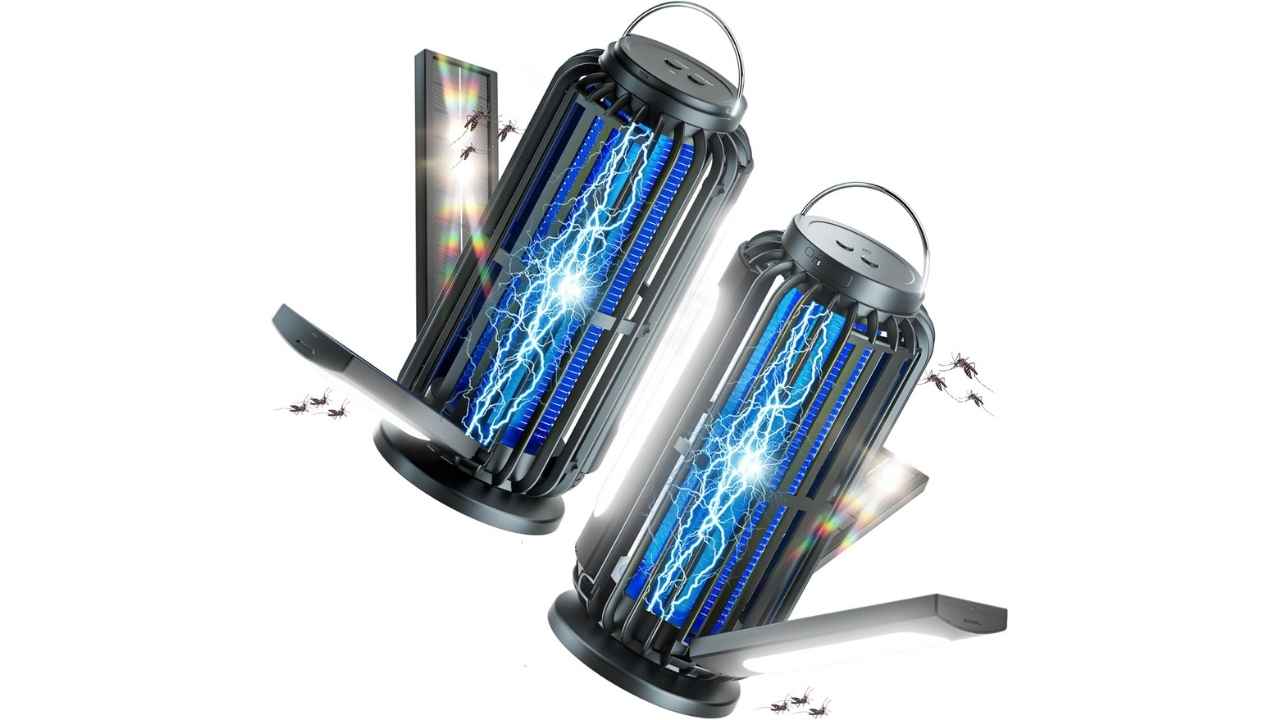 Outdoor essential TYPEC Solar Bug Zapper (36% off) Solar-powered bug zappers for patios and camping. |


