



- Scammers are sending realistic inheritance emails that claim you must act within 48 hours
- The “Heir Research Registry” is not real, and the message lacks verifiable legal details
- Clicking the link can lead to identity theft, financial fraud or malware
- Real inheritance notices come through attorneys or courts and never use urgent email links
It starts with something that feels exciting. An email lands in your inbox claiming you may be entitled to an inheritance. No warning. No backstory. Just a formal message and a ticking clock.
That is exactly what happened to Tim C, who wrote us:
“I received an email this afternoon that I have never received before. Just wondering if you have seen anything like this before. I think it is a scam, but it sure looks real.”
Tim trusted his instincts. This is a scam. And it is one of the more convincing ones making the rounds right now.

What the “Heir Research Registry” email looks like
This email looks official at first glance. Every part of it is designed to build trust fast and push you to click before you question it.
The message claims you are a “Primary Potential Beneficiary” tied to an unclaimed estate. It warns that the funds could be reassigned to the state if you do not act within 48 hours.
There is also a button that says “Check My Unclaimed Inheritance.” That button is the trap.
What makes this scam more believable than most
This version is more polished than the typical scam email. That is what makes it dangerous.
It uses your real name
“Tim C” makes it feel targeted and legitimate. Scammers often pull names from leaked data or public records.
It mimics legal and financial language
Phrases like “probate holding period” and “estate allocation” sound official but are intentionally vague.
It includes a reference ID
The ID makes it feel trackable and real, but it cannot be verified.
It looks structured and professional
The layout, table format and compliance tone resemble real financial notices.
It removes obvious scam signals
There are no spelling errors or strange formatting. That lowers your guard.

Watch the latest episode of The CyberGuy Report.

Missed this event? Sign up via the registration form and see our live recording.
See Kurt’s latest Amazon picks for useful gadgets, smart home upgrades and everyday tech worth grabbing while the deals last.
The red flags hiding in plain sight
This message appears legitimate. But several details give it away.
“2026 National Heir Research Registry” does not exist
There is no official registry by that name at the federal or state level.
The 48-hour deadline is a pressure tactic
Real estate and probate processes do not operate on urgent email deadlines.
No law firm, executor or court is named
Legitimate inheritance notices always include verifiable legal contacts.
The explanation is intentionally vague
You are told there is an estate, but not who it belongs to or how you are connected.
The “Check My Unclaimed Inheritance” button is the trap
This is likely a phishing link designed to collect personal data.
The fine print tries to sound legal
References to the “Unclaimed Property Act” are generic and not tied to a real case.
Why this email is so effective
This scam hits three emotional triggers at once.
- Curiosity. Who left me money?
- Urgency. I only have 48 hours
- Opportunity. I might lose something valuable
That combination pushes you to act quickly rather than slowing down to verify.
What this scam is trying to do
This is not about giving you money. It is about getting your information. If you click the link, a few things can happen:
- You land on a fake form that asks for personal details
- You are prompted to verify your identity with sensitive data
- You may be asked for banking information
- In some cases, malware can install in the background
Once scammers have your data, they can use it for identity theft, financial fraud or future scams.

How real inheritance notifications actually work
A quick reality check makes this easier to spot. Legitimate inheritance notices follow a very different process:
- They come from a named attorney, executor or law firm with verifiable contact details you can confirm independently
- They include clear information about the estate and your relationship to it
- They do not pressure you with short deadlines
- They do not ask you to click random links to claim funds
If someone truly left you money, the legal system does not rely on mystery emails.
How to stay safe from inheritance scam emails
If you receive an email like this, take a step back and follow these steps. Scammers rely on speed. Your best defense is slowing down.
1) Do not click anything and use strong antivirus software
Avoid links, buttons, or attachments in unexpected messages, and make sure you are protected with strong antivirus software, such as Norton Antivirus Plus (CyberGuy Deal: 58% off) , that can block malicious sites and downloads.
2) Do not reply
Engaging can confirm your email is active and lead to more scams.
3) Delete the email or mark the email as spam
This helps your email provider block similar messages.
4) Hover over links before clicking
On a computer, place your cursor over links to preview the real URL.
5) Check the sender’s email address carefully
Scammers often use addresses that look official but include small misspellings or unfamiliar domains.
6) Verify through official channels only
Search your state’s unclaimed property website directly. Never use links from the email.
7) Search the organization name yourself
Typing the name into Google can quickly reveal if others have flagged it as a scam.
8) Use a data removal service
Limiting how much of your personal information is available online makes it harder for scammers to target you with personalized messages like this.
Incogni, a service I trust 100% and use myself, helps automate the process by submitting removal requests to hundreds of data brokers and people-search sites on your behalf.
Incogni automatically contacts data brokers on your behalf and requests the removal of your personal information. It also continues monitoring those sites and submits new removal requests if your data reappears.
- Incogni currently removes personal data from 420+ data broker and people-search websites, and its Unlimited plan allows you to request removals from as many additional sites as you need.
- Incogni has also received third-party assurance from Deloitte, validating its marketing claims.
- The goal is simple: make it much harder for strangers, scammers, and cybercriminals to find your personal information online.
CyberGuy readers get 60% off Incogni’s annual plans using the links in this article.
The service also includes a 30-day money-back guarantee, so you can try it risk-free and see how much of your information is exposed online.
Is your personal information exposed online?
Run a free scan to see if your personal info is compromised. Results arrive by email in about an hour.
9) Report the scam email
Forward it to reportphishing@apwg.org or report it through your email provider.
10) Protect your personal information
Never share your Social Security number, date of birth or banking details through unsolicited messages.
What this means to you
Even if you would never fall for an inheritance scam, these emails matter. They are getting more polished. They rely on curiosity and urgency. And they only need one click to create a problem. The real risk is not the promise of money. It is the data you give up trying to claim it.
Related Links:
- Apple Mail “trusted sender” phishing scam warning
- Genealogy boom exposes personal data scammers can exploit
- Tax scams through the years and what to know this year
Kurt’s key takeaways
That unexpected inheritance email can feel exciting for a moment. Then reality should take over. If you do not recognize the name, if there is no clear paper trail and if there is a countdown clock, it is almost certainly a scam. Tim paused before clicking. That pause is what protects you. Real money finds you through legal channels, not through a random email with a deadline.
If an email promised you money but gave you only 48 hours to act, would you click first or verify first? Let us know in the comments below.
FOR MORE OF MY TECH TIPS & SECURITY ALERTS, SUBSCRIBE TO MY FREE CYBERGUY REPORT NEWSLETTER HERE
Copyright 2026 CyberGuy.com. All rights reserved. CyberGuy.com articles and content may contain affiliate links that earn a commission when purchases are made.
🎙 Now Streaming: My New Podcast: The CyberGuy Report
Kurt’s Top Deals
Deals move fast and inventory can be limited, so don’t wait too long.
| 🔥 Editor’s pick  Summer entertaining Ninja SLUSHi Machine (26% off) Frozen drinks and slushies at home in minutes. | |
| 💰 Top deal 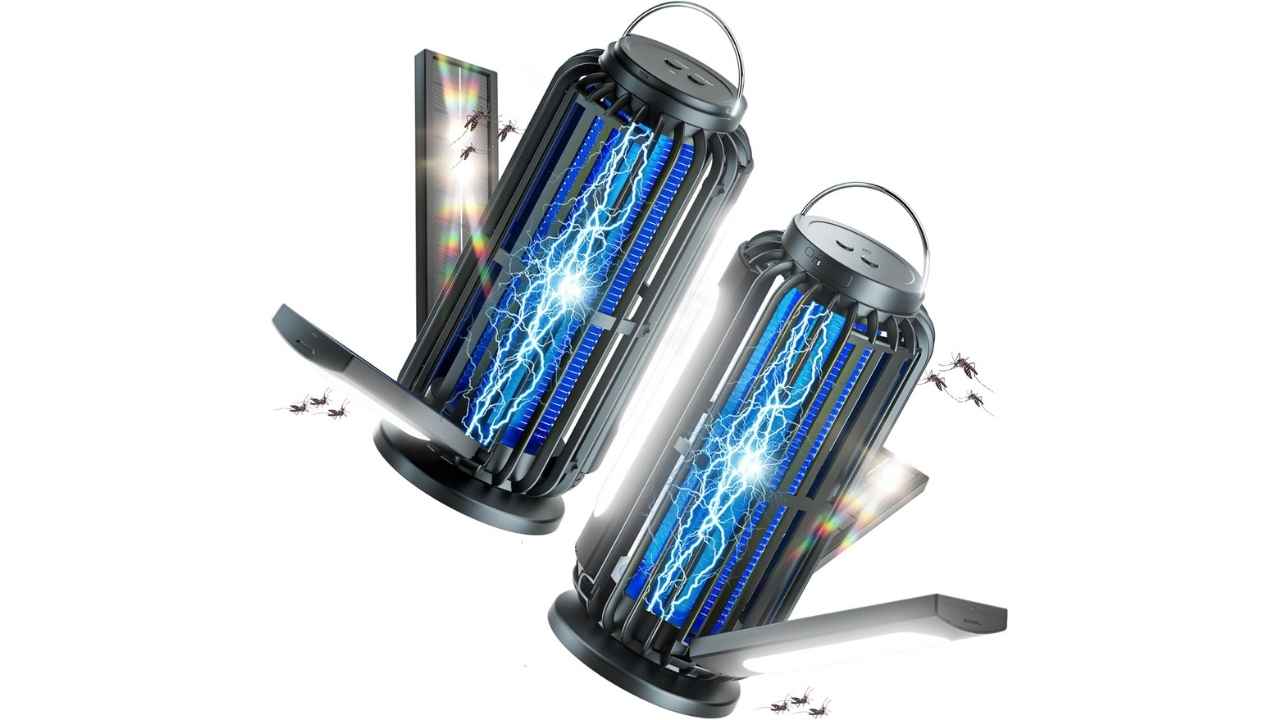 Outdoor essential TYPEC Solar Bug Zapper (36% off) Solar-powered bug zappers for patios and camping. |


