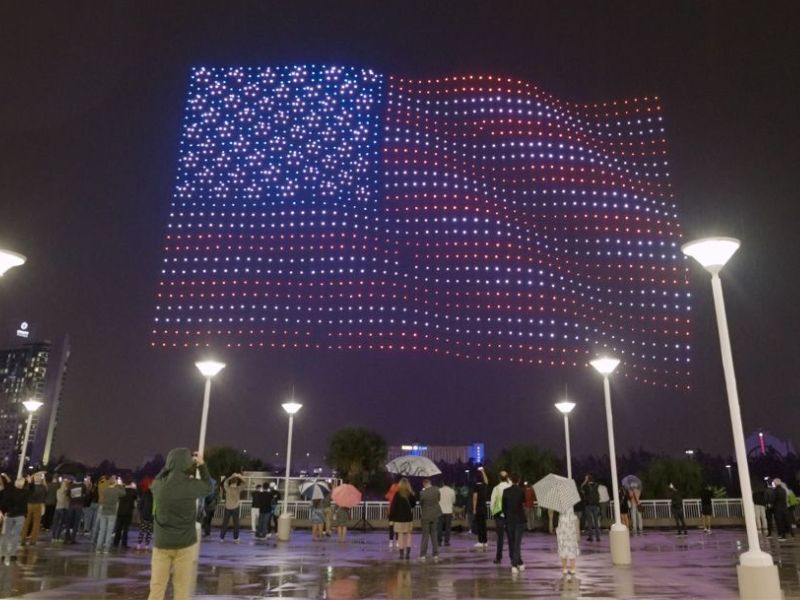



- Drone shows are still part of July 4 in 2026, but they have not replaced fireworks.
- Laguna Beach tried drones in 2024, returned to fireworks in 2025 and lists fireworks again in 2026.
- Some cities use drones to reduce fire risk, smoke, noise and debris.
- Hybrid shows are growing as cities pair drone storytelling with fireworks finales.
The Fourth of July has always come with backyard barbecues, parades and fireworks lighting up the night sky. In recent years, though, a new kind of show has started flying into America’s Independence Day celebrations: synchronized drone light shows.
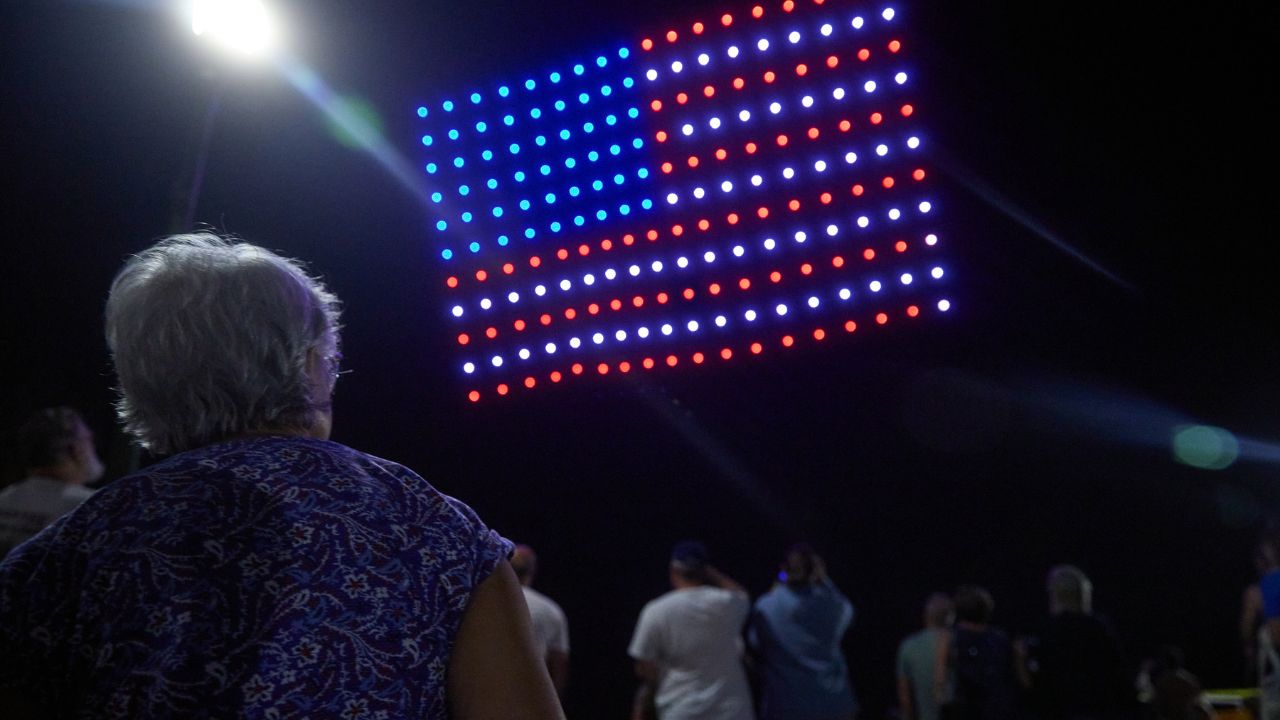
Hundreds or even thousands of tiny aircraft can now form flags, eagles, hearts, city landmarks and patriotic animations above a crowd. These shows can be quieter, cleaner and more flexible than fireworks. They also give cities a way to celebrate when wildfire risk, smoke or noise concerns make traditional fireworks harder to justify.
However, 2026 tells a more complicated story. Drone shows have not replaced fireworks across the country. Instead, cities are making different choices. Some are sticking with drones. Some are pairing drones with fireworks. Others are bringing fireworks back after testing drones and hearing from disappointed crowds.
Credit: Sky Elements
Laguna Beach shows the drone show backlash
Laguna Beach is one of the best examples of how mixed the reaction to drone shows can be. In 2024, the city hosted a Fourth of July drone light show at Heisler Park. We saw that show firsthand, and the reaction was not exactly glowing. The drones created shapes and patriotic images, but many people missed the flash, sound and shared excitement of a traditional fireworks display.
Laguna Beach then returned to traditional fireworks in 2025. For July 4, 2026, the city is again listing a fireworks show beginning at 9 p.m. from Monument Point in Heisler Park.
That shift does not mean drone shows are disappearing. It means the technology has found its place. For some cities, drones are the main event. For others, they work better as an opening act before the fireworks finale.
Are July 4 drone shows still happening in 2026?
Yes, drone shows are still happening for July 4, 2026, and some cities are going big.
Salt Lake City is holding an America 250 drone show with 500 drones at Jordan Park on July 3. The city is leaning into drones as a safer and cleaner way to celebrate during a summer when fire risk is a major concern across parts of the West.
Laguna Niguel, California, is also sticking with drones. The city’s 2026 drone show plan calls for at least 400 drones at Crown Valley Community Park on July 4. That nearby example is important because it shows that Orange County has not moved in one direction. Laguna Beach went back to fireworks, while Laguna Niguel is continuing with drones.
Other cities are choosing both. Boise is planning a patriotic drone light show followed by its signature fireworks celebration. Arlington, Texas, is adding an expanded fireworks and drone show for its Independence Day celebration. St. Louis is marking America’s 250th birthday with a large drone spectacle over the Mississippi and fireworks.
In other words, drone shows are still very much alive. They are just no longer being treated as a guaranteed replacement for fireworks.

Credit: Sky Elements
What are drone light shows?
Drone light shows use fleets of small unmanned aircraft equipped with bright LED lights. These drones fly in carefully programmed patterns to create images, words, animations and color effects in the sky.
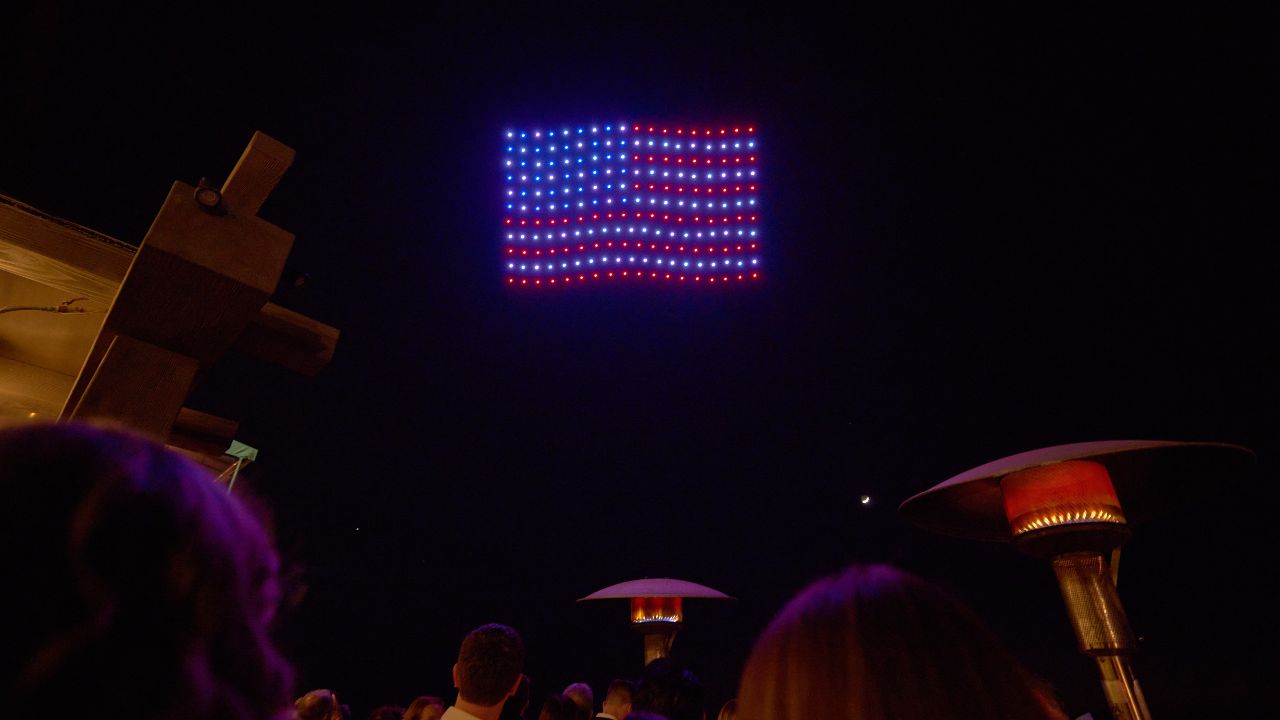
The drones can form an American flag, spell out a message, create a bald eagle or transform from one image into another. Because each drone acts like a moving pixel, the show can be designed with far more precision than a traditional fireworks display.
Watch the latest episode of The CyberGuy Report.

Missed this event? Sign up via the registration form and see our live recording.
See Kurt’s Prime Day picks for useful gadgets, practical upgrades and everyday tech while the deals last.
Many shows are also synchronized with music. That allows cities, sports teams and event organizers to turn the sky into a choreographed performance rather than a series of explosions.

Credit: Sky Elements
How the technology works
Behind each drone show is a mix of flight planning, design software, GPS positioning, LED programming and trained drone crews.
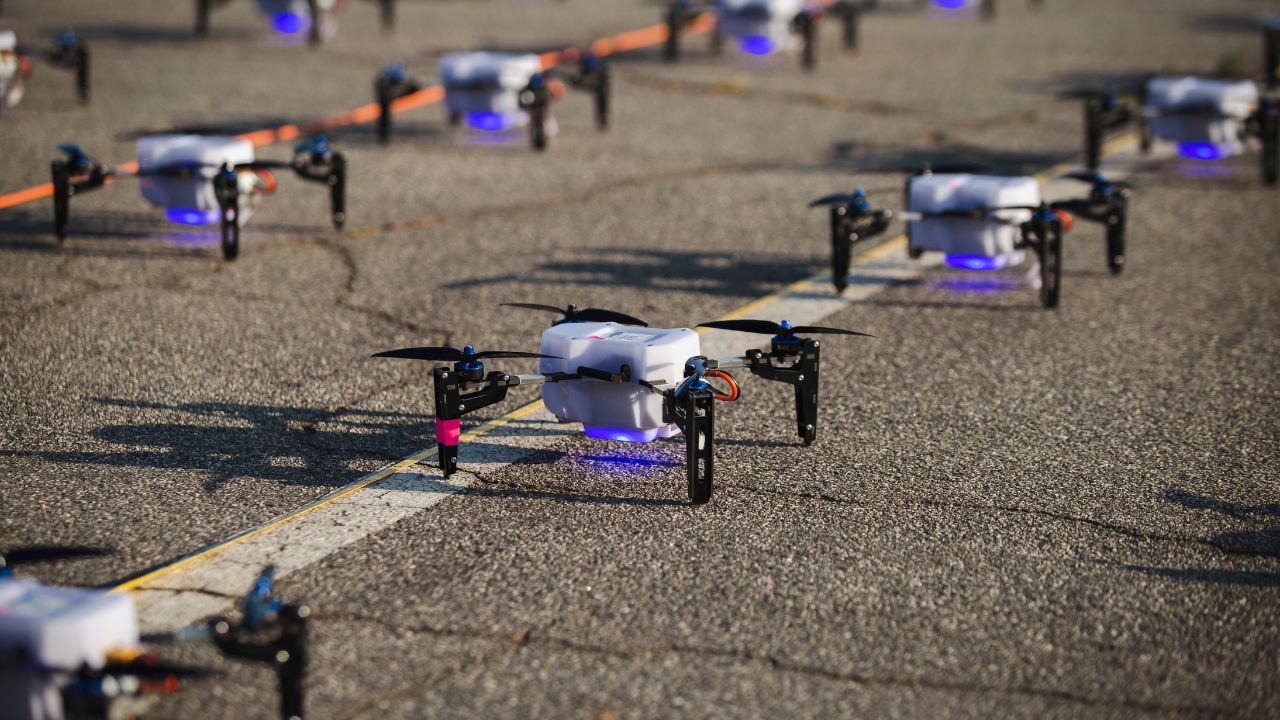
The drones are usually quadcopters or similar aircraft built for stable flight and tight positioning. Each one carries lights that can change color and brightness. Together, the fleet creates the shapes you see from the ground.
Before the show, designers map out every movement. They decide where each drone will launch, how high it will fly, what formation it will join and when its lights will change. Then operators test the route, check weather conditions and coordinate with local officials.
This is why drone shows take more than a few laptops and a field. A public show often requires aviation approvals, clear launch space, crowd safety planning and backup procedures in case the weather changes or a drone has a problem.
Credit: Sky Elements
Why cities choose drone shows
The biggest reasons are fire risk, smoke, debris and noise. Traditional fireworks can create spectacular moments, but they also bring sparks, smoke and fallout. In dry parts of the country, that can make July 4 celebrations more complicated. This year, Utah restricted fireworks during extreme wildfire conditions as major fires burned across the state.
Drone shows avoid the explosions and falling debris that come with fireworks. They are also much quieter. That can help families with young children, veterans with PTSD, people with sensory sensitivities and pet owners who dread the loud booms every summer.
The visual creativity is another major draw. Fireworks are beautiful, but drones can tell a more specific story. They can show a city landmark, a local sports logo, a patriotic message or a custom animation tied to a community celebration.
For America’s 250th birthday, that storytelling power is a big reason some cities are adding drones to their July 4 plans.
Why fireworks are coming back in some places
Drone shows have a lot going for them, but they do not deliver the same feeling as fireworks.
That became clear in Laguna Beach. The 2024 drone show was quieter and more controlled, but many people felt it lacked the energy of the city’s traditional fireworks display. For a holiday built around sound, light and shared emotion, the missing boom can make a big difference.
This is the challenge cities face. Drones may be safer and more flexible, but fireworks are deeply tied to how many Americans experience the Fourth of July. The sound, timing and finale all create a sense of celebration that drones can struggle to match.
That is why some cities are now using drones as an addition rather than a replacement. A drone show can start the evening with storytelling and patriotic imagery. Fireworks can close it with the familiar finale that people expect.
Credit: Sky Elements
The pros: Less smoke, less noise and lower fire risk
Drone light shows can be a strong alternative in places where fireworks raise safety concerns.
They do not create the same smoke clouds, ash or falling shell debris. They also reduce the risk of fire from sparks and malfunctioning fireworks. For communities near dry brush, parks, beaches or wildfire-prone hillsides, that can be a major advantage.
Drone shows are also more inclusive. The quieter format can make public celebrations easier for people who avoid fireworks because of the noise. Pets may still react to crowds and music, but they are less likely to be startled by repeated explosions.
Another benefit is control. Drone formations can be adjusted for a theme, sponsor, city milestone or local landmark. That gives event organizers a way to make the show feel more personal.
The cons: Cost, weather and crowd expectations
Drone shows can be expensive. Smaller shows may start around $20,000, while larger productions can climb well above $100,000. The price depends on the number of drones, show length, custom animation, staffing, travel, insurance and permitting.
Weather is another problem. Drones are sensitive to wind, rain and visibility. If conditions change, a show can be delayed or canceled. Fireworks can also be affected by weather, but drone shows depend heavily on safe flying conditions.
Then there is the audience reaction. Some people love the creativity. Others feel underwhelmed, especially if they expected the energy of fireworks. That is exactly why the Laguna Beach example is so useful. It shows that a technically impressive show still has to satisfy what people emotionally expect from July 4.
How drone shows are regulated
Drone shows are not a free-for-all. Public displays must follow federal, state and local rules.
At the federal level, drone operators must comply with FAA rules. Large shows may require waivers or approvals because they can involve multiple drones, nighttime operations, controlled airspace or flights near crowds. Organizers may also need local permits, public safety plans and coordination with police, fire officials and parks departments.
Cities also have to think about where the drones launch and land. The area needs to be clear, controlled and far enough from spectators. That can limit where a show can happen, especially in crowded beach towns or dense city centers.
These rules are important because a drone show is still an aviation event. Even when the show looks smooth from the ground, the planning behind it is highly technical.
So, will drone shows replace fireworks?
For July 4, 2026, the answer is no. Drone shows are becoming part of the holiday, but they are not taking over everywhere. The better way to describe the trend is this: fireworks are still the emotional centerpiece in many places, while drones are becoming a safer and more customizable option where fireworks create too much risk.
Some cities will choose drones because of wildfire danger. Some will use drones because they want a quieter and more controlled show. Others will stick with fireworks because residents want the classic Fourth of July experience. The hybrid approach may be the future. A drone show can tell the story. Fireworks can deliver the finale.
Related Links:
- Summer’s hottest tech 2026
- Best gear to keep you cool this summer
- Why scammers target retirees in a 6-week summer window
Kurt’s key takeaways
Drone light shows are still part of July 4 celebrations in 2026, but the early hype has settled into something more realistic. They have not replaced fireworks everywhere. Instead, cities are deciding what works best for their location, fire risk, budget and crowds. Laguna Beach shows that pushback clearly. The city tried a drone show in 2024, then returned to traditional fireworks in 2025. For July 4, 2026, Laguna Beach is again listing fireworks from Monument Point in Heisler Park. Nearby Laguna Niguel is taking a different path and continuing with drones, while cities like Boise, Arlington and St. Louis are using both. That tells you where this trend is headed. Drone shows can be impressive, quieter and better suited for areas worried about fire risk. Fireworks still bring the sound and emotional punch many Americans expect on Independence Day. For now, the Fourth of July sky has room for both.
Have you seen a drone light show? Did it feel like the future of July 4, or did it make you miss traditional fireworks? Let us know in the comments below.
FOR MORE OF MY TECH TIPS & SECURITY ALERTS, SUBSCRIBE TO MY FREE CYBERGUY REPORT NEWSLETTER HERE
Copyright 2026 CyberGuy.com. All rights reserved. CyberGuy.com articles and content may contain affiliate links that earn a commission when purchases are made.
🎙 Now Streaming: My New Podcast: The CyberGuy Report
Kurt’s Top Deals
Deals move fast and inventory can be limited, so don’t wait too long.
| 🔥 Editor’s pick  Summer entertaining Ninja SLUSHi Machine (26% off) Frozen drinks and slushies at home in minutes. | |
| 💰 Top deal 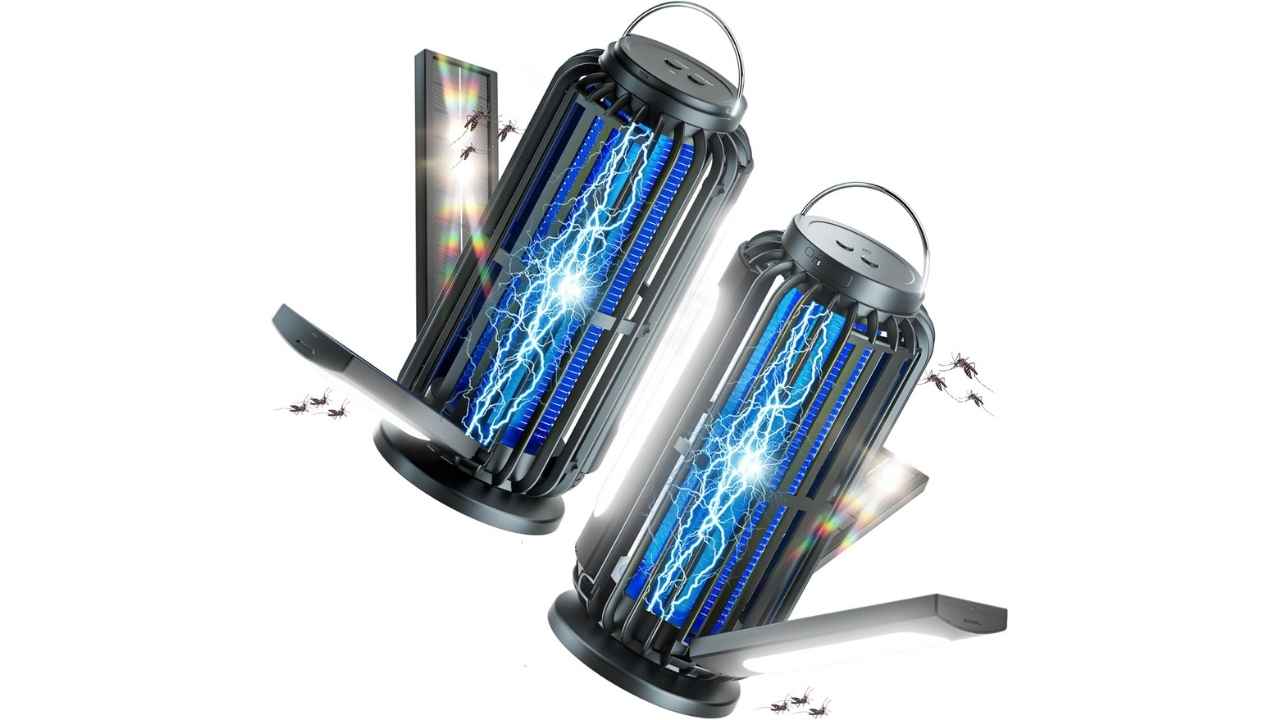 Outdoor essential TYPEC Solar Bug Zapper (36% off) Solar-powered bug zappers for patios and camping. |