



- Your Medicare number can be used to file fake claims or run up medical charges in your name.
- Hang up if someone calls unexpectedly and asks you to confirm your Medicare number.
- Only share your Medicare number with trusted doctors, pharmacists, insurers and state health agencies.
- Destroy old Medicare cards and act fast if you think your number has been stolen.
You pay into Medicare and count on it to be there when you need care. That is exactly why your Medicare number has real value to scammers.
Once a crook gets that number, they may try to bill Medicare in your name, order medical equipment, file fake claims or steal benefits that should belong to you. Even worse, fake medical activity can get mixed into your records, which can create a mess when you need treatment.
The good news is that a few smart habits can help you spot the warning signs before a scammer gets too far.

Why would a scammer want my Medicare number?
Your Medicare number can open the door to medical identity theft. Once a scammer has it, they may try to use your coverage as if it were their own. That can include filing fake claims, ordering medical supplies, seeking reimbursements or running up charges in your name.
That can create real problems. You could receive bills for care you never received. Fake treatments could appear in your medical records. Your benefits could also be affected when you need them most. That is why protecting your Medicare number should be treated the same way you protect your Social Security number or bank account.

Medicare scam warning signs to watch for
Scammers often sound convincing because they use fear, urgency or personal details they found elsewhere. These are some of the biggest red flags.
1) An unsolicited call asking you to confirm your Medicare number
Be careful if someone calls out of the blue and asks you to confirm your Medicare number. Scammers may pretend to be from Medicare and may already know your name, date of birth or address. Medicare will not call you unexpectedly to ask for your Medicare number. Never give that number to someone who contacts you first.
2) A request for your Social Security number or banking information
A scammer may ask for your Social Security number, bank account details or credit card information. Do not share those details by phone, text or email with anyone you do not know.
3) A pitch in a healthcare setting
Some scammers try to catch people off guard in places that feel trustworthy, such as a pharmacy counter, health fair or exam room. Be careful with anyone pushing Medicare plans or asking for personal information outside your doctor’s office, insurer or a trusted state health agency.
Watch the latest episode of The CyberGuy Report.

Missed this event? Sign up via the registration form and see our live recording.
See Kurt’s Prime Day picks for useful gadgets, practical upgrades and everyday tech while the deals last.
4) Pressure to make a payment
A scammer may demand payment online or over the phone without sending a bill. They may also pressure you to sign an enrollment form before you are ready.
5) A pitch for a different product
Some scammers start with Medicare, then try to sell you something else, such as life insurance or another unrelated product. That is a red flag.
6) A fee to turn your enrollment into a plan
Medicare enrollment can feel confusing, and scammers use that confusion. Be careful with anyone who charges a fee and claims they can guarantee enrollment or move your application along faster.
7) A request for your loved ones’ contact information
Scammers may ask for names, phone numbers or addresses for family members and friends. Do not give them a new list of people to target.
8) An uninvited visit to your home
A fraudster may show up at your door claiming to sell Medicare plans. Do not share personal information with anyone who visits without your permission.
9) Free gifts or incentives
Scammers may offer a free health screening, gift card or other perk in exchange for your Medicare number. Freebies can be bait.
How to protect your Medicare number
The best defense is to treat your Medicare number like a financial password and limit who gets access to it.
1) Hang up on unexpected Medicare calls
If someone calls out of the blue claiming to be from Medicare, hang up. Do not press buttons, do not confirm personal details and do not try to argue with the caller. If someone comes to your door claiming to be from Medicare, do not invite them in. You can contact Medicare directly or speak with your trusted healthcare provider if you have questions.
2) Destroy your old Medicare card
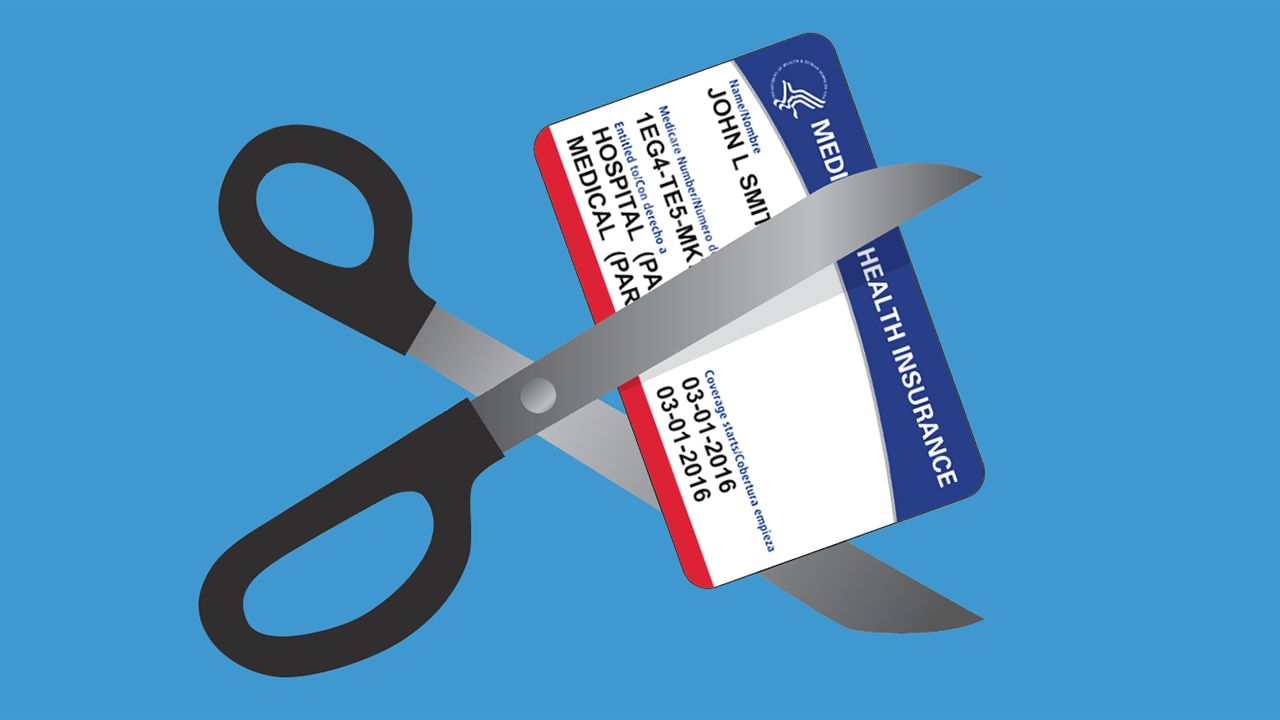
If your Medicare card has been replaced, destroy the old one. Some imposters claim you must return your old card to get a new one, but that is a trick to steal your information. Cut up the old card before throwing it away. If you believe your number has already been stolen, contact Medicare right away.
3) Share your Medicare number only with trusted providers
Only give your Medicare number to people and organizations you trust with your care. That includes your doctors, pharmacists, insurers and state health agencies that work with Medicare. Anyone else asking for it should make you pause.
4) Report suspected Medicare fraud right away
If you think your Medicare number has been stolen or used for a fake claim, contact Medicare right away. You can call 1-800-MEDICARE or report suspected fraud online. Also, review your Medicare Summary Notices for services, supplies or charges you do not recognize. These notices show services or supplies billed to Medicare, what Medicare paid and the maximum amount you may owe.
5) Use identity theft protection
You should also consider using an identity theft protection service such as Aura. These services can help monitor for signs that your personal information has been exposed or misused.
Exclusive CyberGuy deal: Save up to 68% today: Get Aura’s award-winning identity theft protection and credit monitoring for as low as $9/month when billed annually.
6) Remove your personal information from the internet
Scammers often sound believable because they already know something about you. That information can come from people-search sites, data brokers, old breaches or public records. A data removal service, such as Incogni, can help reduce how much personal information is floating around online. No service can remove every trace of your data, but cutting down what scammers can find makes it harder for them to target you.
Exclusive Deal for CyberGuy Readers (60% off): Incogni offers a 30-day, money-back guarantee and applies a special CyberGuy discount to all annual plans, for as low as $6.39/month for one person (billed annually) or $13.19/month for your family (up to 5 people) on their annual plan.
I strongly recommend the family plan. Here's why: the scam that starts with a Google search of your name almost always ends with a call to you, your elderly parent or a text to your adult child. Protecting yourself without protecting the people around you is half a solution. At $2.64 per person per month, the family plan covers up to five people, and the people most likely to be the final target are often the ones who'd never think to protect themselves.
Get Incogni and remove your info
Related Links:
- Meta Medicare scam ads targeting seniors face scrutiny
- Stop Medicare scams before they stop you
- Your health app may be failing you
Kurt’s key takeaways
Your Medicare number deserves the same level of protection as your Social Security number or bank account. Once scammers get it, they can create fake claims, run up charges and cause problems with your medical records. The biggest warning sign is someone contacting you first and asking for personal information. Real Medicare help should never require you to hand over sensitive details to a stranger on the phone, by email or at your front door.
Have you ever received a suspicious Medicare call, email or visit? Let us know by commenting below.
FOR MORE OF MY TECH TIPS & SECURITY ALERTS, SUBSCRIBE TO MY FREE CYBERGUY REPORT NEWSLETTER HERE
Copyright 2026 CyberGuy.com. All rights reserved. CyberGuy.com articles and content may contain affiliate links that earn a commission when purchases are made.
🎙 Now Streaming: My New Podcast: The CyberGuy Report
Kurt’s Top Deals
Deals move fast and inventory can be limited, so don’t wait too long.
| 🔥 Editor’s pick  Summer entertaining Ninja SLUSHi Machine (26% off) Frozen drinks and slushies at home in minutes. | |
| 💰 Top deal  Outdoor essential TYPEC Solar Bug Zapper (36% off) Solar-powered bug zappers for patios and camping. |



2 comments
We’ve been receiving packages of covid tests in the mail from labs all over the country since January 2023. We never ordered ANY of them. We have reported this to Medicare, and they are investigating it, but they didn’t suggest changing our Medicare number. Yes, the covid tests are being billed to Medicare in our names.
I ALWAYS look closely at my EOBs. My Medicare was charged over $3,000 for supplies I’ve never used. From a vendor in FL. I am in a different state. I turned it in to Medicare fraud division. I have no earthly idea how someone in Florida obtained my Medicare number. I never give it out, except at a doctor‘s office.