



Most people think identity theft starts with a massive hack. In reality, it usually starts much more quietly, with bits of personal information you didn’t even realize were public. Old addresses. Family connections. Phone numbers. Shopping habits. All are sitting on data broker sites that most people have never heard of. During Identity Theft Awareness Week, organized by the Federal Trade Commission, it’s a good time to clear up some dangerous myths that keep putting people at risk, especially retirees, families, and anyone who thinks they’re “careful enough.” Let’s break them down.

Myth #1: “I wasn’t in a data breach, so I’m safe”
Reality: You don’t need to be in a breach to have your data exposed.
Data brokers legally collect personal information from public records, loyalty programs, apps, and online purchases. Over time, they build detailed profiles that can exist for decades, even if you’ve never been hacked. Scammers often use this data as a starting point. It helps them sound legitimate, personalize messages, and choose the right angle to trick you.
Actionable tips:
- Don’t assume “no breach” means “no risk”
- Avoid oversharing details on social media
- Remove your personal data from data broker sites so it can’t be reused

Myth #2: “Scammers don’t have enough info to impersonate me”
Reality: They usually have more than enough.
Scammers don’t need your Social Security number to cause damage. A name, address history, phone number, and family connections can be enough for someone to:
- Open accounts in your name
- Reset your passwords
- Convince customer support that you are you
- Trick relatives into sending money
This is why scams often feel unsettlingly personal.
Actionable tips:
- Be suspicious of messages that reference personal details
- Don’t confirm information just because the sender “knows” something about you
- Reduce what’s available by removing your data from broker databases

Myth #3: “Retirees aren’t targeted because they’re cautious”
Reality: Retirees are one of the most targeted groups.
Why? Because scammers assume:
- Stable income from pensions or benefits
- More savings
- Greater trust in official-looking messages
- Less familiarity with newer scam tactics
Many scams are designed specifically for retirees, from Medicare updates to fake government notices and investment fraud. A recent widespread scam involves fake IRS calls and the illegitimate “Tax Resolution Oversight Department” that tries to steal your money.
Actionable tips:
- Never act on urgent requests involving benefits or finances
- Verify messages by contacting organizations directly
- Encourage family discussions about scams and warning signs
- Remove publicly available data that helps scammers profile retirees

Myth #4: “Credit monitoring will stop identity theft”
Reality: Credit monitoring only tells you after something has gone wrong.
It doesn’t stop scammers from:
- Targeting you
- Attempting account takeovers
- Using your information in phishing or social engineering scams
Think of credit monitoring like a smoke alarm-helpful, but it doesn’t prevent the fire.
Actionable tips:
- Use credit monitoring as a backup, not your main defense
- Lock down accounts with strong passwords and two-factor authentication
- Reduce exposure by removing your data before it’s misused
Myth #5: “There’s nothing I can do about data brokers”
Reality: You can take control, but doing it manually is time-consuming and frustrating.
Most data broker sites allow opt-outs, but each one has a different process. Some require forms. Others need ID verification. And many re-add your data months later. That’s why I recommend a data removal service. These services contact hundreds of data brokers on your behalf, request the removal of your personal information, and keep monitoring them so it doesn’t quietly reappear. For families and retirees, this matters even more because once scammers connect relatives through broker profiles, multiple people can become targets.
While no service can guarantee the complete removal of your data from the internet, a data removal service is really a smart choice. They aren’t cheap, and neither is your privacy. These services do all the work for you by actively monitoring and systematically erasing your personal information from hundreds of websites. It’s what gives me peace of mind and has proven to be the most effective way to erase your personal data from the internet. By limiting the information available, you reduce the risk of scammers cross-referencing data from breaches with information they might find on the dark web, making it harder for them to target you.
A service like Incogni can help you remove all this personal information from the internet. It has a very clean interface and will scan 420+ websites for your information and remove it and keep it removed. Plus Incogni has received third-party assurance from Deloitte validating its entire data removal process.
The longer you wait, the more data brokers spread your personal information online. I recommend Incogni to help you remove that data automatically (and they make sure it stays removed) without any effort on your part.
Exclusive Deals for CyberGuy Readers (60% off): Incogni offers a 30-day money-back guarantee and then charges a special CyberGuy discount for all annual plans only through the links in this article for as low as $6.39/month for one person (billed annually) or $12.79/month for your family (up to 5 people) on their annual plan. This fully automated data removal service provides ongoing protection from 420+ data brokers, and if you choose the Unlimited plan, you can also request removals from specific sites where your personal information appears.
I recommend the family plan because it works out to only $2.56 per person per month (or $3.68 per person per month if you get the Family Unlimited plan) for powerful year-round privacy protection. It’s an excellent service, and well worth trying to see how much of your information is being exposed and how effectively it can be removed.
Get Incogni for your family (up to 5 people) here
Is your personal information exposed online?
Run a free scan to see if your personal info is compromised. Results arrive by email in about an hour.
Why identity theft often starts long before you notice
Identity theft rarely begins with a dramatic moment.
It usually starts with:
- Data collected quietly over the years
- Profiles that grow more detailed with time
- Information being sold and resold without your knowledge
By the time fraud shows up on a credit report, the damage has often already been done.
What you can do during Identity Theft Awareness Week
If there’s one takeaway this week, it’s this: reducing your exposed data lowers your risk.
1) Be skeptical of unexpected messages
Do not trust surprise emails, texts, or calls, even if they appear to come from a bank, retailer, or government agency. Scammers often copy logos, language, and phone numbers to look legitimate.
2) Verify requests on your own
If a message claims there’s a problem with an account, pause and verify it independently. Use the official website or phone number you already know, not the one provided in the message.
3) Reduce your digital footprint with a data removal service
Remove your personal information from data broker websites that collect and sell names, addresses, phone numbers, and other details. A data removal service can help you do just that. Less exposed data means fewer opportunities for identity thieves.
4) Strengthen your account security
Use strong, unique passwords for important accounts and avoid reusing them across sites. A reputable password manager can securely store and generate complex passwords, making it easier to stay protected without memorizing everything.
5) Turn on two-factor authentication
Enable two-factor authentication (2FA) wherever it’s available. Even if a criminal gets your password, 2FA adds a second barrier that can stop account takeovers.
6) Use identity theft protection software
Consider identity theft protection software that monitors your personal information, alerts you to suspicious activity, and helps you respond quickly if something goes wrong. Some services also assist with data broker removal and recovery support if your identity is compromised.
Identity Theft companies can monitor personal information like your Social Security Number (SSN), phone number, and email address, and alert you if it is being sold on the dark web or being used to open an account. They can also assist you in freezing your bank and credit card accounts to prevent further unauthorized use by criminals.
7) Help family members stay protected
Scammers often target seniors and teens. Walk family members through these steps, help them secure accounts, and encourage them to slow down before responding to urgent messages.
Related Links:
- Why January is the best time to remove personal data online
- Make 2026 your most private year yet by removing broker data
- Surprising places your personal data is exposed and how to remove it
Kurt’s key takeaways
Identity theft isn’t about being careless; it’s about how much information is floating around without your permission. The fewer places your data lives online, the harder it is for scammers to use it against you. Taking action now won’t just protect you this week; it can reduce scams, fraud attempts, and identity theft risks all year long.
Which of these myths did you believe, and what personal information do you think is already out there about you without your consent? Let us know in the comments below.
FOR MORE OF MY TECH TIPS & SECURITY ALERTS, SUBSCRIBE TO MY FREE CYBERGUY REPORT NEWSLETTER HERE
This article was created in partnership with Incogni
Copyright 2026 CyberGuy.com. All rights reserved. CyberGuy.com articles and content may contain affiliate links that earn a commission when purchases are made.
🎙 Now Streaming: My New Podcast: The CyberGuy Report
Kurt’s Top Deals
Deals move fast and inventory can be limited, so don’t wait too long.
| 🔥 Editor’s pick  Summer entertaining Ninja SLUSHi Machine (26% off) Frozen drinks and slushies at home in minutes. | |
| 💰 Top deal 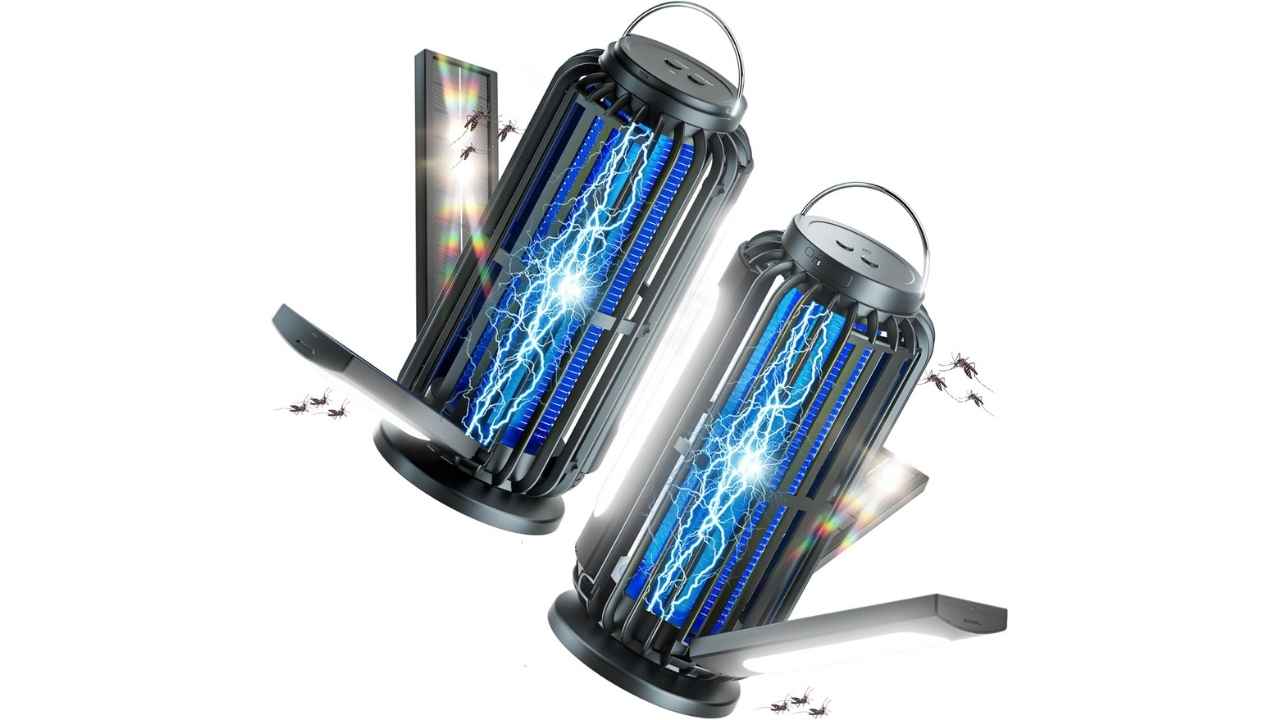 Outdoor essential TYPEC Solar Bug Zapper (36% off) Solar-powered bug zappers for patios and camping. |