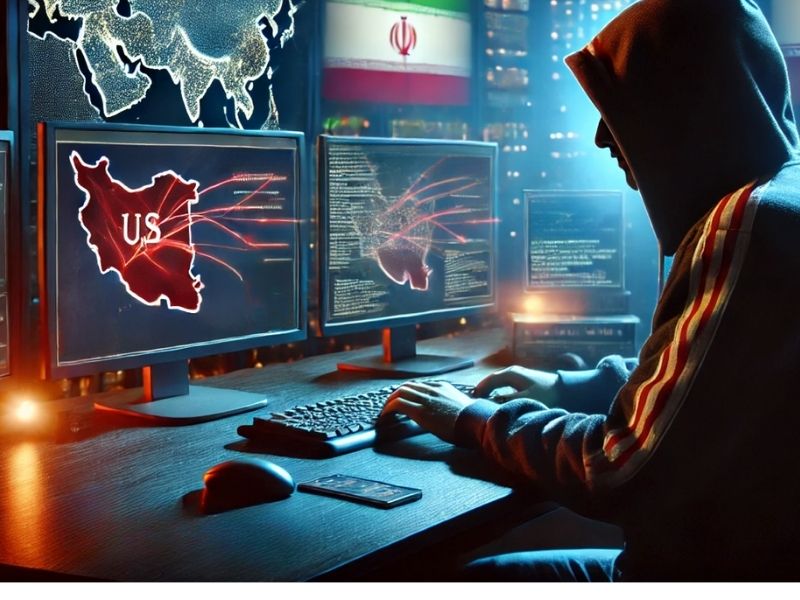


Iran has developed a robust and expanding cyber force that poses a serious threat to U.S. interests and critical infrastructure. Ranked third among state-sponsored cyber threats to America, following China and Russia, Iran has a documented history of launching disruptive, damaging, and retaliatory cyberattacks.

Recent escalation: Heightened threat environment after U.S. strikes on Iran
The cyber threat from Iran has escalated sharply following the recent U.S. military strikes on three Iranian nuclear facilities, ordered by President Donald Trump. These strikes targeted Iran’s Fordow, Natanz, and Isfahan nuclear sites with bunker-buster bombs, aiming to destroy Iran’s nuclear enrichment capacity and curb its nuclear ambitions. In response, the Department of Homeland Security (DHS) issued a National Terrorism Advisory System bulletin warning of a “heightened threat environment” in the United States.
The advisory highlights that low-level cyberattacks by pro-Iranian hacktivists are likely, and cyber actors affiliated with the Iranian government may conduct more sophisticated attacks against U.S. networks. These attacks often target poorly secured networks and internet-connected devices for disruption.
The DHS also cautions that violent extremists within the U.S. may be inspired to act independently in retaliation, especially if Iranian leadership issues a religious decree calling for violence against targets in the Homeland. This elevated threat level is compounded by a rise in anti-Semitic and anti-Israel sentiments, which have already motivated recent domestic terrorist incidents.

Iran’s track record of cyberattacks on U.S. targets
Between 2011 and 2013, Iranian operatives successfully disrupted major U.S. financial institutions, including JPMorgan Chase and Bank of America, through coordinated denial of service attacks that disabled bank websites and prevented customers from accessing accounts. In 2016, Iran also hacked an American dam near New York City, nearly causing a catastrophic release of water, though the dam was offline for maintenance at the time. More recently, in 2021, an Iranian-linked hacker group gained access to a U.S. municipal water system’s control panel, highlighting the ongoing risk to critical infrastructure.
DON’T CLICK THAT LINK! HOW TO SPOT AND PREVENT PHISHING ATTACKS IN YOUR INBOX
The nature of Iran’s cyber arsenal
Iran’s cyber capabilities include malware designed for destructive attacks on critical infrastructure such as power grids, water supplies, and financial systems. These tools enable Iran to conduct “wiper” attacks that go beyond data theft to cause physical disruption and damage. The Iranian regime also engages in coordinated disinformation campaigns targeting U.S. political institutions and the public, further complicating the cyber threat landscape.

CYBERATTACKS ON NURSING HOMES: HOW TO PROTECT YOUR LOVED ONES
Watch the latest episode of The CyberGuy Report.

Missed this event? Sign up via the registration form and see our live recording.
See Kurt’s latest Amazon picks for useful gadgets, smart home upgrades and everyday tech worth grabbing while the deals last.
Why Americans should be on guard
Iran hasn’t launched a major cyberattack on U.S. soil yet, but it definitely has the ability to do so. The recent U.S. strikes have only raised the stakes, so it’s more important than ever to stay alert. People should keep an eye out for cyberattacks targeting government offices, businesses, and everyday folks, plus any violent actions that could come from the ongoing tensions between Iran and Israel.

How to be prepared for a possible cyber attack
Even though you can’t control every threat out there, there are steps you can take right now to make yourself a much tougher target for cybercriminals.
1) Know what’s in your control: You can’t stop a foreign government from targeting critical infrastructure, but you can make your own devices and accounts much harder to hack. Focus on your personal security; every bit helps.
2) Keep your software up to date: As we’ve seen with recent Iranian cyberattacks, hackers often look for easy ways in, and outdated software is one of their favorite targets. Regularly updating your device software and setting updates to happen automatically closes those security gaps before attackers can exploit them. Don’t ignore those update reminders; they’re one of your best defenses against evolving threats.
3) Don’t click on suspicious links and install strong antivirus software: With Iranian cyber threats looming and hackers constantly looking for new ways to break in, it’s crucial to be extra cautious online. Don’t click on suspicious links or download attachments from unknown sources. If something feels off, trust your instincts and double-check. The best way to safeguard yourself from malicious links that can install malware and access your private information is to have strong antivirus software on all your devices. This protection can also alert you to phishing emails and ransomware scams, helping keep your personal information and digital assets safe.
- Strong real-time protection against viruses, malware, ransomware and hacking attempts
- AI-powered scam protection to help identify suspicious emails, texts and websites
- Built-in password manager to securely store and manage logins
- 2 GB PC cloud backup to help protect important files from ransomware or hardware failure
- Smart firewall and phishing protection
- Protects 1, 3 or 5 devices
- Available for Windows, macOS, Android and iOS
- Includes real-time threat protection, smart firewall and phishing protection to guard against online attacks
4) Use a personal data removal service: With Iranian cyberattacks and state-sponsored hackers actively searching for easy targets, protecting your personal information is more important than ever. Consider signing up for a reputable personal data removal service. These services work to scrub your sensitive information, like your home address, phone number, and more, from data broker sites. By making your details harder to find, you reduce the chances of being singled out by cybercriminals or getting caught up in targeted attacks. In today’s world, where your data is everywhere, this extra layer of privacy and protection is a smart move.
Incogni, a service I trust 100% and use myself, helps automate the process by submitting removal requests to hundreds of data brokers and people-search sites on your behalf.
Incogni automatically contacts data brokers on your behalf and requests the removal of your personal information. It also continues monitoring those sites and submits new removal requests if your data reappears.
- Incogni currently removes personal data from 420+ data broker and people-search websites, and its Unlimited plan allows you to request removals from as many additional sites as you need.
- Incogni has also received third-party assurance from Deloitte, validating its marketing claims.
- The goal is simple: make it much harder for strangers, scammers, and cybercriminals to find your personal information online.
CyberGuy readers get 60% off Incogni’s annual plans using the links in this article.
The service also includes a 30-day money-back guarantee, so you can try it risk-free and see how much of your information is exposed online.
Is your personal information exposed online?
Run a free scan to see if your personal info is compromised. Results arrive by email in about an hour.
5) Use strong, unique passwords and a password manager: Don’t use the same password everywhere. A password manager can help you keep track of complex, unique passwords for each account.
- Unlimited password storage
- Secure sharing
- Password health reports
- Auto-fill and emergency access
- Data breach monitoring to alert you if your credentials have been exposed
- A Security Dashboard with tools like the Data Breach Scanner and Password Health Checker to identify weak, reused, or compromised passwords
CyberGuy Exclusive Deal: Save 52% now with CyberGuy’s exclusive NordPass offer – Get 1 extra month FREE with a 2-year plan. Try 30 days risk-free for only $1.43 per month!
6) Turn on two-factor authentication (2FA): Adding that extra layer of security makes it much harder for hackers to get into your accounts, even if they have your password.
7) Secure your home network: Change the default password on your Wi-Fi router, use strong encryption (like WPA3), and make sure your Internet of Things (IoT) devices are updated and secured.
8) Back up your important data: Regularly back up your files to an external drive or secure cloud service. If ransomware or a destructive attack hits, you won’t lose everything.
Kurt’s key takeaways
Let’s face it, cyber threats from Iran are real, they’re evolving, and they have the potential to impact every one of us in very real ways. With tensions running high after recent U.S. military actions, the risk of Iranian cyberattacks is only increasing. This isn’t about panic, it’s about being prepared, aware, and proactive. You absolutely can take steps to protect yourself. The more each of us does, the harder it becomes for bad actors to succeed.
What’s your biggest fear when it comes to foreign cyberattacks, and how are you preparing for it? Let us know in the comments below.
FOR MORE OF MY TECH TIPS & SECURITY ALERTS, SUBSCRIBE TO MY FREE CYBERGUY REPORT NEWSLETTER HERE
Copyright 2025 CyberGuy.com. All rights reserved. CyberGuy.com articles and content may contain affiliate links that earn a commission when purchases are made.
🎙 Now Streaming: My New Podcast: The CyberGuy Report
Kurt’s Top Deals
Deals move fast and inventory can be limited, so don’t wait too long.
| 🔥 Editor’s pick  Summer entertaining Ninja SLUSHi Machine (26% off) Frozen drinks and slushies at home in minutes. | |
| 💰 Top deal 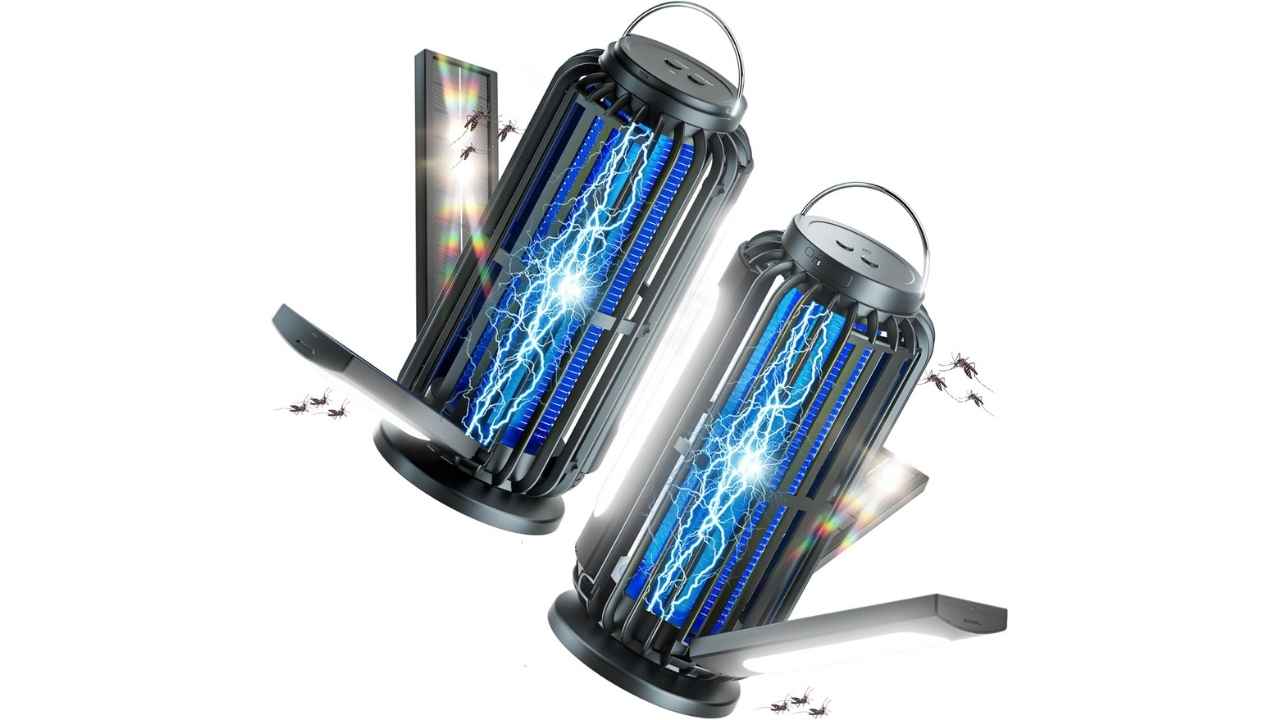 Outdoor essential TYPEC Solar Bug Zapper (36% off) Solar-powered bug zappers for patios and camping. |