



- Credit card theft during travel often comes from skimmers, pickpockets, and unsecured Wi-Fi networks.
- RFID skimming is rare, but simple tools like blocking wallets can add extra peace of mind.
- Real-time alerts, card locking, and mobile payments help you quickly spot and stop fraud.
- Using virtual card numbers and avoiding risky networks adds another layer of protection while traveling.
As you move through busy terminals, juggling bags and boarding passes, your credit cards face risks-not just from pickpockets, but also from digital thieves using high-tech tools like RFID (radio-frequency identification) skimmers. Today’s chip-enabled cards offer stronger protection than old magnetic stripes, but you still need to take extra precautions, especially in crowded places like airports. Chip cards protect you during in-person transactions, but they won’t stop fraud if someone uses your card details online. That’s why using multiple layers of protection matters. Here’s how to keep your cards safe while you travel.

How credit card theft happens while traveling
Before diving into how to protect yourself, it helps to understand the most common ways credit cards are compromised during travel:
- RFID skimming: Some credit and debit cards are equipped with RFID chips for contactless payments. While actual cases of RFID skimming are rare, thanks to encrypted and dynamic data, thieves with handheld RFID readers can theoretically scan limited card information just by standing nearby. In practice, successfully using that data for fraudulent transactions is extremely difficult, but using RFID-blocking gear can provide peace of mind in crowded spaces.
- Card skimming at ATMs and terminals: In some regions, criminals install fake card readers over legitimate machines at airports, gas stations, or retail locations. These skimmers copy your card’s information when you insert it. In many cases, a hidden camera is also installed nearby to record your PIN as you type it.
- Pickpocketing and physical theft: Airports are full of distractions, which thieves rely on. A quick bump in a security line or a moment of inattention at the check-in counter is all it takes for someone to slip your wallet out of a bag or pocket.
- Public Wi-Fi snooping: Using unsecured airport or hotel Wi-Fi can expose your private data. Hackers connected to the same network can intercept sensitive information, including credit card numbers and login credentials, especially if you’re making purchases or accessing banking apps without protection.
- Lost or stolen cards: It’s not uncommon to misplace a card during travel. If someone finds it—or worse, steals it from your luggage or hotel room—they could make unauthorized purchases before you realize it’s missing.
Ways to protect your credit cards
The good news is that protecting your credit cards while traveling doesn’t have to be complicated or expensive. With a few smart habits and the right tools, you can avoid most common threats and enjoy your trip with more peace of mind. Here are some easy ways to keep your cards safe while you’re on the move.

1) Use RFID-blocking gear
Some credit cards include RFID chips that make contactless payments easy and convenient. However, this same feature can be exploited if someone with the right equipment gets close enough to scan your card without your knowledge. Using RFID-blocking gear such as a wallet, card sleeve, or passport holder is a simple and affordable way to prevent this type of theft. These items are widely available and effective at blocking unauthorized scans. While this type of attack is rare and difficult to pull off in real-world scenarios, these blockers offer extra peace of mind in crowded environments.
2) Carry only what you need
Limiting the number of cards you bring reduces the risk if your wallet is lost or stolen. Ideally, take only one or two credit cards that you plan to use during your trip. Keep any backup cards in your hotel safe, but consider splitting them between different locations, such as a separate bag or secure compartment, since hotel safes are not always foolproof. Store a secure digital record of your card details in a password manager. This can be helpful if you need to cancel or replace a card while you’re abroad.
- Unlimited password storage
- Secure sharing
- Password health reports
- Auto-fill and emergency access
- Data breach monitoring to alert you if your credentials have been exposed
- A Security Dashboard with tools like the Data Breach Scanner and Password Health Checker to identify weak, reused, or compromised passwords
CyberGuy Exclusive Deal: Save 52% now with CyberGuy’s exclusive NordPass offer – Get 1 extra month FREE with a 2-year plan. Try 30 days risk-free for only $1.43 per month!
3) Set up real-time spending alerts
Most credit card companies offer instant notifications through their mobile apps. Turning on transaction alerts ensures you’ll be notified the moment your card is used, allowing you to spot suspicious activity quickly. If your card issuer offers the ability to lock your card directly from the app, enable that feature as well so you can act immediately if anything looks off.
4) Avoid public Wi-Fi for financial transactions
Public Wi-Fi at airports, hotels, and cafes is rarely secure. Avoid entering credit card information or logging into banking websites while on these networks unless you’re using a virtual private network (VPN). A reliable VPN encrypts your internet traffic and protects your data from prying eyes on shared networks. While modern browsers now default to HTTPS for secure connections, threats like fake Wi-Fi networks and session hijacking still exist, so a good VPN encrypts all traffic on the network, providing stronger protection. Here is our top recommendation:
Watch the latest episode of The CyberGuy Report.

Missed this event? Sign up via the registration form and see our live recording.
See Kurt’s Prime Day picks for useful gadgets, practical upgrades and everyday tech while the deals last.
ExpressVPN is the go-to choice for those who prioritize ultra-fast speeds, reliability, and top-tier security. With servers in 105 countries, ExpressVPN delivers blazing-fast performance for streaming, gaming, and secure browsing. It supports P2P file sharing, offers best-in-class encryption, and maintains a strict no-logs policy—with all servers running on RAM for enhanced privacy. You can connect up to 10 devices simultaneously, and setup takes under 2 minutes. Plus, with 24/7 live customer support and a 30-day money-back guarantee, ExpressVPN is a premium choice for security-focused users who want speed without compromise.
CyberGuy Exclusive ExpressVPN Deals:
✅ Save 75% – Get 3 months FREE with 12-month plan for $3.99/month. Try 30 days risk-free.
✅ Save 84% – Get 4 months FREE with 24-month plan for $2.49/month. Try 30 days risk-free.

5) Watch for card skimmers at ATMs and terminals
Before using an ATM or card reader, take a moment to inspect it. Skimming devices are sometimes placed over the card slot or keypad. Gently wiggle the card reader or look for anything that seems loose, bulky, or out of place. When possible, use ATMs inside banks or secure buildings instead of freestanding machines, which are easier for thieves to target.
6) Lock your cards when not in use
Many credit card apps now allow you to temporarily lock your card with a single tap. If you’re not planning to use a card for a day or two, consider locking it until you’re ready to make a purchase. This simple habit adds an extra layer of protection. If someone tries to use the card while it’s locked, the transaction will be declined.
7) Use mobile or contactless payments
Apple Pay and Google Pay, and tap-to-pay credit cards use one-time-use digital tokens instead of transmitting your real card number. This makes them safer than traditional magnetic stripe or even chip-and-PIN cards. Mobile payments are also faster, more hygienic, and harder to skim.
Bonus tips before you travel
Many credit card issuers now offer virtual card numbers, which generate a temporary card number for online purchases. This helps protect your real card details from being exposed if a website is compromised. Using virtual cards is especially useful when booking travel, shopping on unfamiliar sites, or making purchases over public networks.
a) Notify your bank or credit card issuer about your travel dates and destinations to prevent legitimate purchases from being flagged or declined.
b) Review your credit card statements daily during your trip. It only takes a minute and can help you catch fraud early before it escalates.
c) Use a credit monitoring service like Aura to receive alerts about suspicious activity on your accounts while you’re away.
One of the best parts of my top pick, Aura Identity Protection, is its all-in-one approach to safeguarding your personal and financial life. Aura includes identity theft insurance of up to $1 million per adult to cover eligible losses and legal fees, plus 24/7 U.S.-based fraud resolution support with dedicated case managers ready to help restore your identity fast.
Exclusive CyberGuy deal: Save up to 68% today: Get Aura’s award-winning identity theft protection and credit monitoring for as low as $9/month when billed annually.
See my full list of trusted identity theft protection services and expert tips to stay safe online.
Looking for the best travel credit cards?
Explore my latest recommendations to get the most out of your travel experience with points, perks, and added protection:
- The most secure credit cards worth having
- Best Airline Credit Cards 2026
- Best Credit Card for Airport Lounge Access 2026
- Best Hotel Credit Cards 2026
Related Links:
- Top 6 reasons why you need a VPN when you travel
- How to stay connected no matter where you travel in the world
- This is how to protect your credit and bank cards from getting hacked
Kurt’s key takeaways
Traveling with credit cards doesn’t have to be stressful. With a few simple steps, such as carrying only what you need, enabling spending alerts, avoiding public Wi-Fi, and using mobile or contactless payments, you can significantly reduce your risk of fraud. Adding tools like virtual card numbers and spreading out backup cards gives you even more protection while traveling. Tools like VPNs, card-locking apps, and identity monitoring services provide additional protection. Whether it’s a quick weekend trip or a global adventure, these smart habits help keep your finances secure so that you can focus on the journey ahead.
Have a tip or tool that worked for you while traveling? Share your experiences in the comments below.
FOR MORE OF MY TECH TIPS & SECURITY ALERTS, SUBSCRIBE TO MY FREE CYBERGUY REPORT NEWSLETTER HERE
Copyright 2026 CyberGuy.com. All rights reserved. CyberGuy.com articles and content may contain affiliate links that earn a commission when purchases are made.
🎙 Now Streaming: My New Podcast: The CyberGuy Report
Kurt’s Top Deals
Deals move fast and inventory can be limited, so don’t wait too long.
| 🔥 Editor’s pick  Summer entertaining Ninja SLUSHi Machine (26% off) Frozen drinks and slushies at home in minutes. | |
| 💰 Top deal 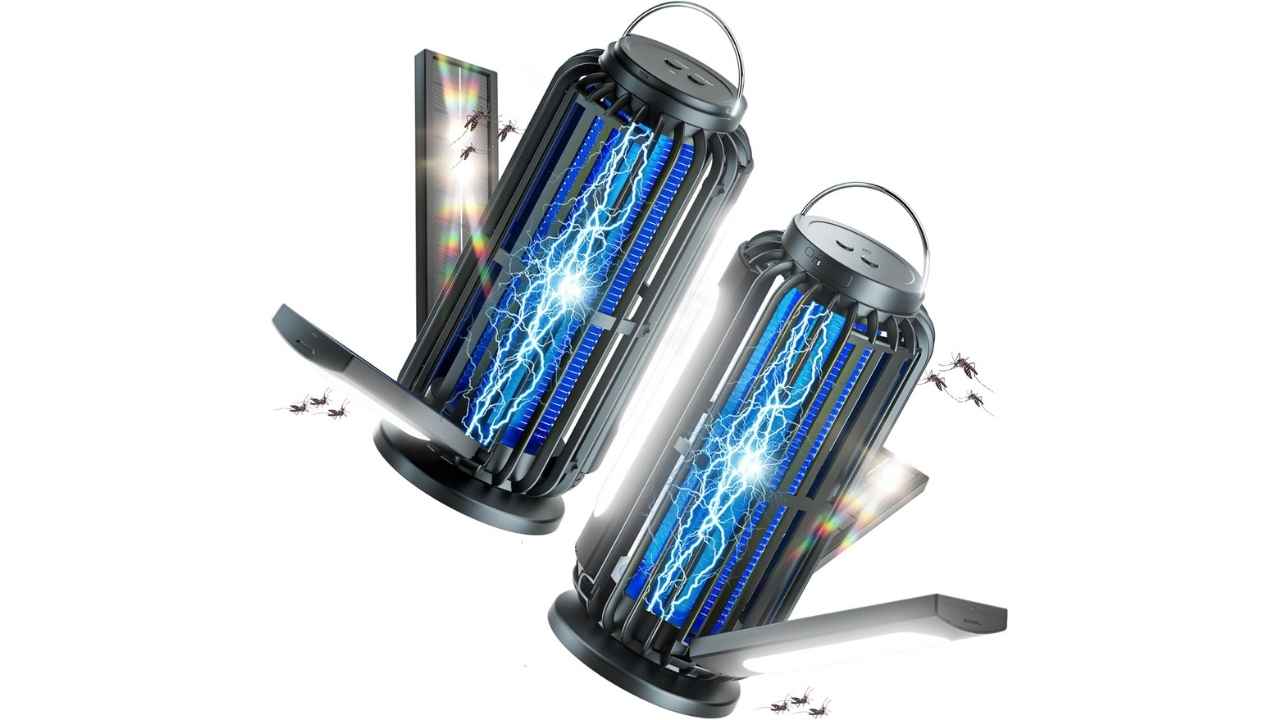 Outdoor essential TYPEC Solar Bug Zapper (36% off) Solar-powered bug zappers for patios and camping. |


