



Get ready for some amazing tech that’s about to change the way we see the world – literally. Meta has just unveiled its latest creation: the Aria Gen 2 augmented reality (AR) glasses. But don’t rush out to get them just yet. These aren’t your run-of-the-mill smart specs. Aria Gen 2 is currently in research mode but is designed to push the boundaries of what’s possible with AR and AI.

Credit: Meta
Key features and improvements
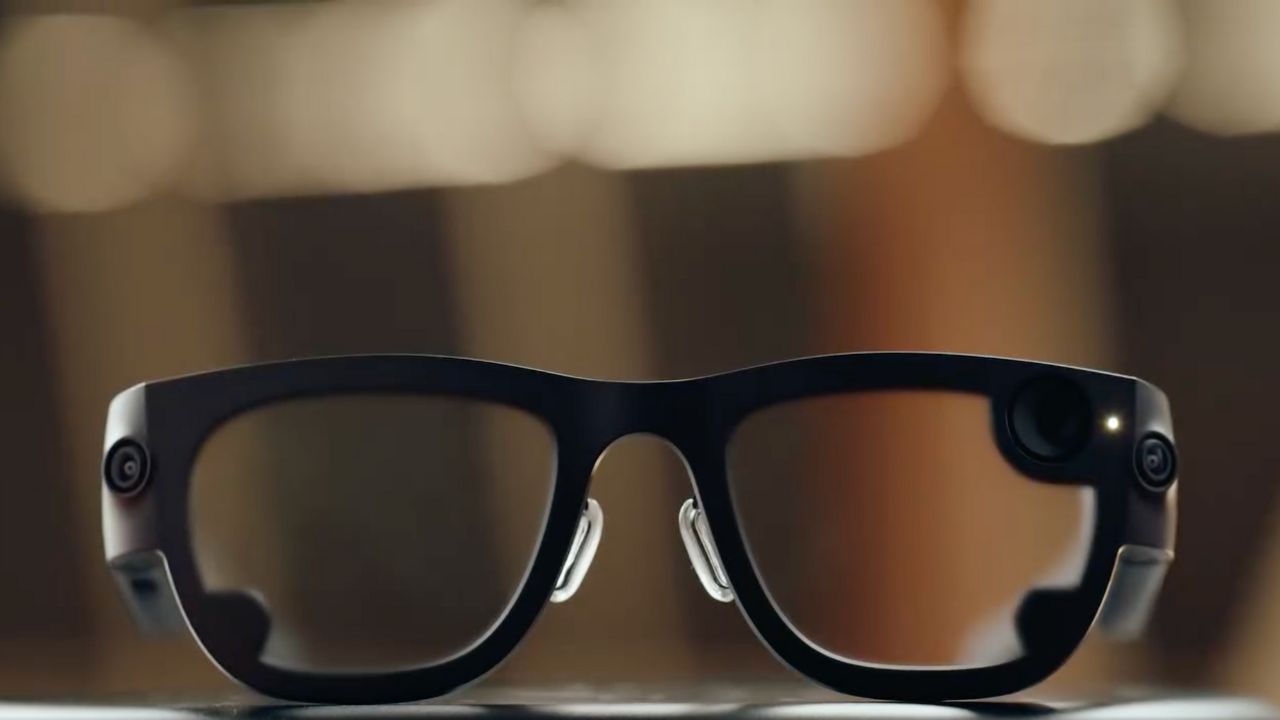
Aria Gen 2 features an impressive array of upgrades from its predecessor. The glasses feature an advanced sensor suite that includes an RGB camera, 6DOF SLAM cameras, eye-tracking cameras, and spatial microphones. One of the most innovative additions is a set of sensors embedded in the nosepad: a PPG sensor for heart rate monitoring and a contact microphone to distinguish the wearer’s voice from others. This level of sophistication in sensor technology opens up new possibilities for research and development in AR applications.
Meta has also made significant strides in on-device processing capabilities. The company’s custom silicon enables local processing of SLAM, eye tracking, hand tracking, and speech recognition, reducing latency and enhancing the overall user experience. Despite these advanced features, Aria Gen 2 remains remarkably lightweight at just 75 grams and offers an impressive 6-8 hours of continuous use. The glasses also feature foldable arms for easy portability, making them ideal for extended research sessions.
Audio interaction has been given special attention in this iteration. High-quality open-ear, force-canceling speakers provide clear audio feedback, enabling researchers to explore user-in-the-loop system prototyping and develop more intuitive AR interfaces.
Credit: Meta
FACIAL RECOGNITION GLASSES TURN EVERYDAY LIFE INTO A CREEPY PRIVACY NIGHTMARE
Research applications
The Aria Gen 2 glasses are designed to push the boundaries of AR and AI research across multiple domains. In the field of machine perception, these glasses enable researchers to explore how AI systems can better understand the world from a human perspective. This has far-reaching implications for the development of more intuitive and context-aware AI systems.
Accessibility research has already benefited from the Aria project. Initiatives like the NavCog project at Carnegie Mellon University have utilized earlier versions of Aria glasses to develop navigation aids for visually impaired individuals. With the enhanced capabilities of Aria Gen 2, companies like Envision are exploring the integration of AI assistants and spatial audio to further improve indoor navigation and accessibility experiences.
The potential applications extend to robotics and AI as well. Researchers at Georgia Tech have demonstrated how the Aria Research Kit can help humanoid robots learn to assist people in home environments. This intersection of AR technology and robotics could lead to significant advancements in human-robot interaction and assistance.

Credit: Meta
Watch the latest episode of The CyberGuy Report.

Missed this event? Sign up via the registration form and see our live recording.
See Kurt’s latest Amazon picks for useful gadgets, smart home upgrades and everyday tech worth grabbing while the deals last.
HOW THIS EX-APPLE GUY’S AI GLASSES INVENTION WORKS
Potential future impact
While Aria Gen 2 is currently a research tool, it offers amazing insights into the future capabilities of consumer AR glasses. The inclusion of a heart rate sensor suggests potential health-focused features in future eyewear, allowing for seamless health monitoring throughout the day. The spatial audio capabilities could be used to guide users to specific locations or help find lost items, enhancing everyday navigation and task completion.
The hand and eye tracking technologies incorporated into Aria Gen 2 point towards more intuitive interfaces for future AR devices. These features could enable users to interact with digital content in their field of view naturally, without the need for additional controllers or input devices.
These glasses, while not intended for consumer use, offer a glimpse into the future of AR and AI integration in everyday eyewear. The advancements made in Aria Gen 2 are likely to influence the development of consumer-grade AR glasses, potentially leading to more capable, comfortable, and user-friendly devices in the coming years.

Credit: Meta
THESE HIGH-TECH GLASSES WILL SUBTITLE REAL-LIFE CONVERSATIONS
Kurt’s key takeaways
You know, it’s pretty wild to think about where AR tech is heading. Meta’s Aria Gen 2 glasses are like a sneak peek into the future, and let me tell you, it’s looking pretty mind-blowing. These glasses are packed with all sorts of high-tech goodies – advanced sensors, on-device processing, AI integration – the works. While we probably won’t see all these fancy features in the AR glasses we can buy anytime soon, it’s still great to imagine what’s coming down the pipeline. Just think about it – one day, we might be wearing glasses that can monitor our health, help us navigate unfamiliar places, or even assist those with visual impairments. As researchers keep tinkering with this tech, who knows what amazing applications they’ll come up with? I’ve got a feeling AR is going to become a bigger part of our lives before we know it.
Do you think you’d be comfortable wearing AR glasses with advanced sensors like those in Aria Gen 2 in your daily life? Why or why not? Let us know in the comments below.
FOR MORE OF MY TECH TIPS & SECURITY ALERTS, SUBSCRIBE TO MY FREE CYBERGUY REPORT NEWSLETTER HERE
Copyright 2025 CyberGuy.com. All rights reserved. CyberGuy.com articles and content may contain affiliate links that earn a commission when purchases are made.
🎙 Now Streaming: My New Podcast: The CyberGuy Report
Kurt’s Top Deals
Deals move fast and inventory can be limited, so don’t wait too long.
| 🔥 Editor’s pick  Summer entertaining Ninja SLUSHi Machine (26% off) Frozen drinks and slushies at home in minutes. | |
| 💰 Top deal 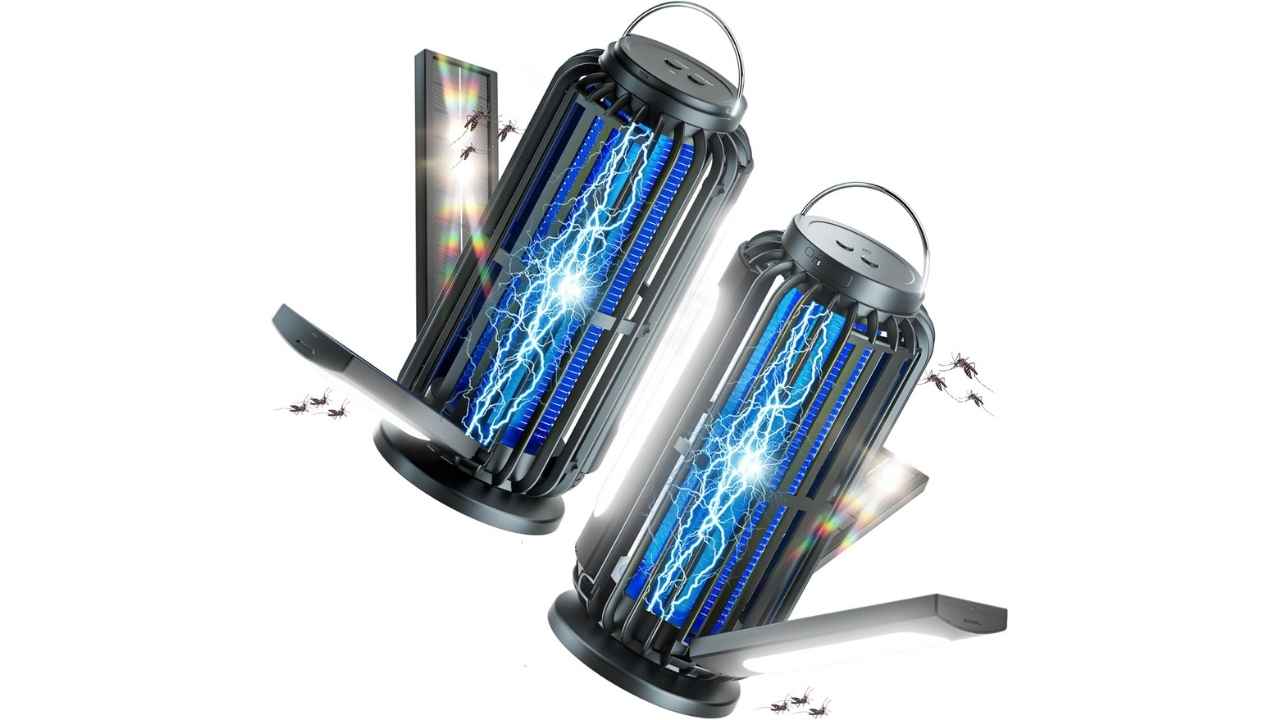 Outdoor essential TYPEC Solar Bug Zapper (36% off) Solar-powered bug zappers for patios and camping. |


