



Travelers may soon be able to breeze through airports without ever reaching for a boarding pass. A growing number of airports are implementing new rules that allow passengers to check in and board using facial recognition instead of paper or digital passes.
The process is simple: instead of scanning a ticket or phone, passengers walk up to a camera that verifies their identity using biometric data tied to their travel information. Once verified, they can proceed directly through security and onto the plane.
Airlines and airport authorities say this innovation is designed to streamline boarding, reduce wait times, and improve security. It also minimizes contact points—an added bonus in a post-pandemic travel world.
While the technology is optional for now, it’s quickly becoming a standard at major hubs like Atlanta, Dallas-Fort Worth, and Los Angeles International. However, privacy advocates caution that biometric systems must include strong safeguards to protect passenger data. And if that’s something you’re already thinking about, it may be time to consider how to minimize your digital footprint when you travel.
What if you don’t have a smartphone—or still use a flip phone?
Don’t worry. You can still check in and board the traditional way. Most airlines continue to offer staffed check-in counters and kiosks where you can print a paper boarding pass. These options remain available to travelers who either don’t have a mobile phone, prefer not to use one for travel, or simply aren’t comfortable with facial recognition. It’s always a good idea to arrive a little earlier if you’re opting for this route, especially as more passengers shift to faster digital options.
As the technology rolls out more widely, travelers should expect fewer lines—and fewer items to fumble with—before takeoff.
Would you feel comfortable using facial recognition instead of a boarding pass at the airport? Let us know your thoughts below.
Plus, want to get more content like this in your inbox? Make sure to sign up for my newsletter.
🎙 Now Streaming: My New Podcast: The CyberGuy Report
Kurt’s Top Deals
Deals move fast and inventory can be limited, so don’t wait too long.
| 🔥 Editor’s pick  Summer entertaining Ninja SLUSHi Machine (26% off) Frozen drinks and slushies at home in minutes. | |
| 💰 Top deal 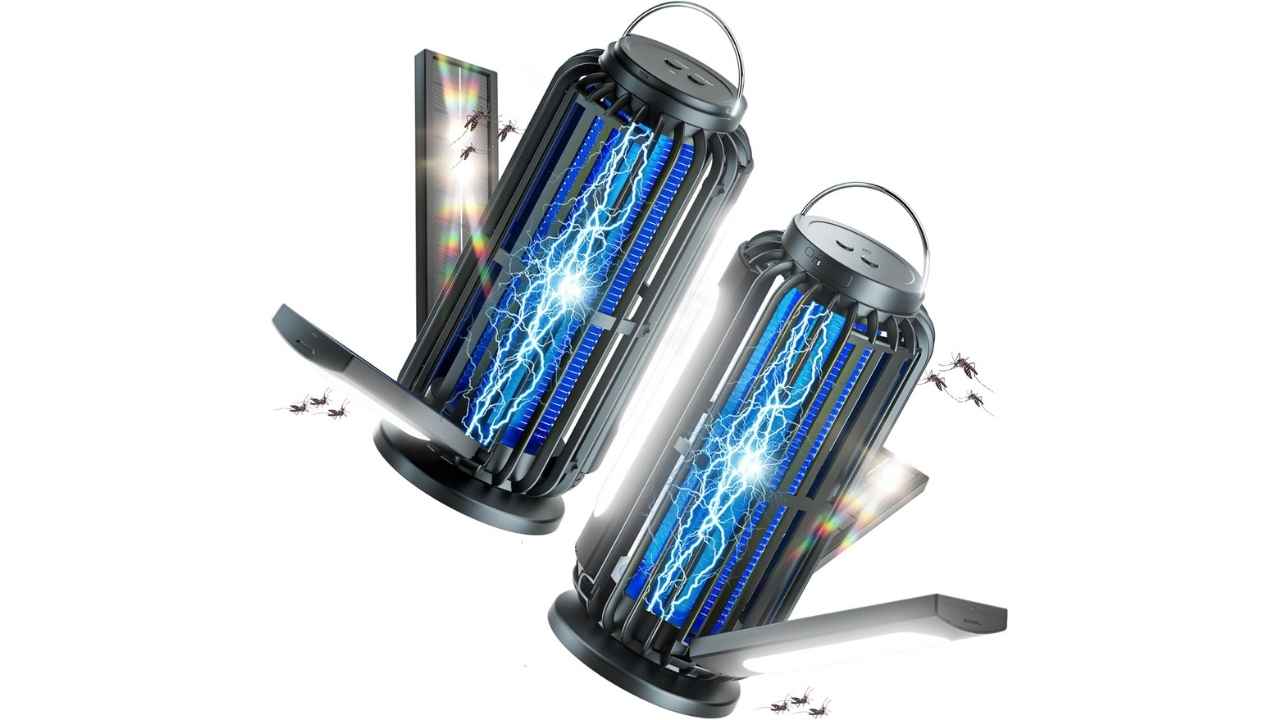 Outdoor essential TYPEC Solar Bug Zapper (36% off) Solar-powered bug zappers for patios and camping. |


