



Senior citizens are often targets for scams, and as scams are getting more sophisticated, it’s getting easier to deceive even the most tech-savvy person. Elder fraud involves a variety of scams targeting seniors, from fake prizes to pleas for help from their “grandchildren,” resulting in an annual loss of $3 billion, according to the FBI. Seniors are often targeted due to their good credit, financial security, and trusting nature. Here are the top elderly fraud scams of the year:
1) Tech support or home repair scam
In this scam, people pose as tech support or home repair professionals from reputable companies like Amazon, offering to fix non-existent issues. Seniors should be wary of unsolicited calls and independently verify the caller’s identity. In some cases, they may even show up at your front door, telling you that they noticed your roof needs repair or something along those lines.

BEST ANTIVIRUS FOR MAC, PC, IPHONES AND ANDROIDS – CYBERGUY PICKS
2) Relative phone scam
This scam is one of the worst ones. Fraudsters claim to be a grandchild or close relative urgently needing financial help. The scammers will say something like their grandchild has been in an accident and needs money to help them get to the hospital or something along those lines.
If the senior catches on and realizes it’s a scam, the fraudster will say they have kidnapped their grandchild and won’t release them until the senior pays up. In most cases, it’s a scam. Before acting, always verify the story with other family members, and try calling your grandchild. (This is a good excuse to encourage them to answer the phone more often.)
HOW TO STOP ANNOYING ROBOCALLS

5 INNOVATIONS TO HELP SENIORS LIVE BETTER
3) Government impersonation scam
This is when scammers pretend to be officials from agencies like the IRS, DEA, or FBI and threaten legal action unless a payment is made. Scammers can also do this by phone spoofing, making it so that when they call the person they are targeting, their name and number actually show up in the caller ID as one of these agencies. Remember, these agencies will never call to demand money, and most companies won’t, either.
Watch the latest episode of The CyberGuy Report.

Missed this event? Sign up via the registration form and see our live recording.
See Kurt’s latest Amazon picks for useful gadgets, smart home upgrades and everyday tech worth grabbing while the deals last.
4) Sweepstakes or lottery scam
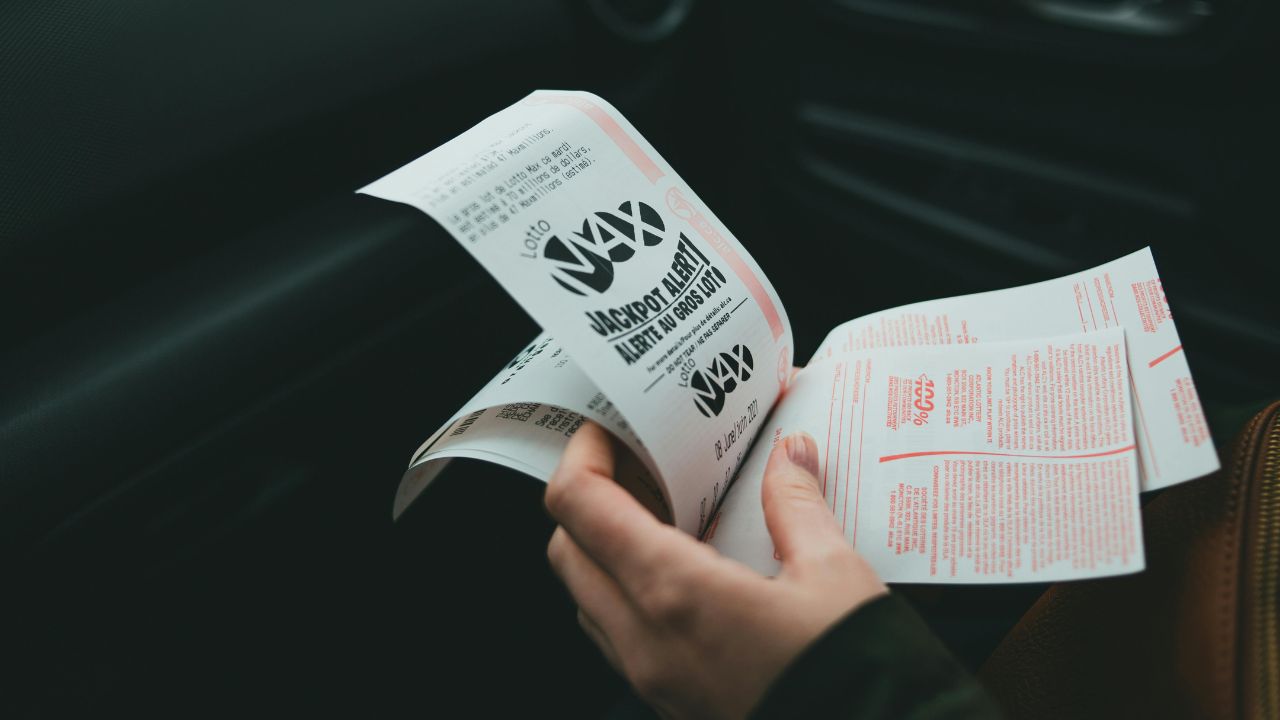
Wouldn’t it be nice to find out you’ve just won the lottery? Well, chances are, the exciting news is actually a scam. The sweepstakes or lottery scam happens when seniors receive calls from a scammer claiming they’ve won a sweepstakes or lottery but must pay a fee to claim their prize. They’ll never ask you to pay money first if it’s an authentic sweepstakes.
5) TV and radio scam
Scammers place ads for fraudulent services on TV or radio, tricking seniors into calling and handing over money, whether for a certain product or service. Always research companies thoroughly before buying from them.

PREVENT PHONE SCAMS AGAINST THE ELDERLY
6) Geek Squad phishing scam
In this particular scam, fraudsters send fake Geek Squad invoices via email, prompting seniors to call a provided number. During the call, scammers steal personal information under the guise of resolving a fake issue. Avoid clicking on suspicious links and verify invoices through official company contacts.
DON’T FALL FOR THIS EMAIL SCAM THAT ALMOST COST AN ELDERLY WOMAN $25,000
7) Overpayment scam
If you’re one to balance your checkbook the “old-fashioned” way, then you may have a hard time falling for this scam. Here, they’ll trick victims into believing they were accidentally overpaid for an item, service, bill, or subscription, convincing them to refund the fake overpayment. To do this, they’ll ask for your sensitive data, including your bank account information. Always verify such claims with your bank or the relevant company before taking any action.

8) Unsubscribe email scam
Similar to the above, emails in your inbox that claim to help you unsubscribe from services are often actually phishing attempts to steal personal information. Sometimes, there will even be an “unsubscribe” link right in the email. Always use official websites to manage subscriptions and avoid clicking on unknown email links.
9) Health insurance scam
When it’s that time of year again to enroll in your health insurance plan, be on the lookout for scammers that take advantage of this. They’ll call offering fake health insurance plans or services, pretending to be health insurance brokers or what have you, often requesting personal information to “see what you’re eligible for.” Verify any health insurance offer with your provider directly.

10) Charity scam
It’s not uncommon for elderly people to be generous with their giving. But you don’t want to give too much or give it to a charity that’s not really a charity! Another tactic by fraudsters is to manipulate elders by soliciting donations for fake charities, especially after natural disasters. In this day and age, it’s not very common for these charities to call, but they could. Never give out your information or money right away. Thank them for their call, take the time to research an organization, and make sure it is legitimate before deciding what to do.
11) Romance scam
Finally, scammers build fake romantic relationships online to extract money from seniors. A senior who’s feeling lonely and wants to build a connection with someone may fall for this scam without realizing it, assuming the person is genuine. If they do ask for money, they justify it by feeling connected to the person until it’s too late. Though plenty of seniors find genuine love online, sometimes meeting lifelong partners, be cautious about sharing personal information or sending money to someone you’ve only met online. There could be ulterior motives.

12) Artificial intelligence scams
Artificial intelligence (AI) scams are becoming increasingly sophisticated and pose a significant threat to seniors. These scams use AI technology to create convincing fake audio, video, or text messages that appear to come from trusted sources. Here are some key points about AI scams targeting the elderly:
- Deepfake voice scams: AI can clone voices, allowing scammers to impersonate family members or authority figures in phone calls, making the “grandparent scam” even more convincing.
- AI-generated phishing emails: Scammers use AI to craft personalized, grammatically correct emails that appear legitimate, making them harder to detect as fraud.
- Chatbot impersonation: AI chatbots can mimic customer service representatives, tech support, or government officials, tricking seniors into revealing personal information or making payments.
- Fake video calls: Advanced AI can create realistic video avatars, enabling scammers to impersonate loved ones or officials in video chats.
- AI-enhanced social engineering: Scammers use AI to gather and analyze personal information from social media, creating highly targeted and personalized scams.
To protect against AI scams, seniors should be cautious of unsolicited communications, verify identities through trusted channels, and stay informed about the latest AI-based fraud techniques. It’s crucial to educate older adults about these evolving threats and encourage them to report suspicious activities to the National Elder Fraud Hotline.
12 tips to protect against senior scams
As scams targeting seniors become increasingly sophisticated, it’s crucial for older adults to arm themselves with knowledge and caution. The following 12 tips can help seniors stay one step ahead of fraudsters and protect their financial well-being and personal information.
1) Be wary of unsolicited calls, emails, or messages. Never give out personal information or send money to unknown individuals.
2) Take your time, and don’t act quickly under pressure. Scammers often create a false sense of urgency.
3) Verify the identity of callers claiming to be relatives in distress. Contact other family members to confirm the story before taking any action.
4) Be suspicious of requests for unusual payment methods like gift cards or wire transfers.
5) Keep computer and smartphone security software up to date and use two-factor authentication when possible.
6) Carefully review bills and credit card statements for unauthorized charges.
7) Be cautious of “free” offers that require payment for shipping or other fees.
8) Don’t trust caller ID alone, as scammers can fake legitimate numbers.
9) Be skeptical of unsolicited investment opportunities or deals that seem too good to be true.
10) Report suspected scams to local law enforcement, the National Elder Fraud Hotline (833-372-8311), or the Federal Trade Commission.
11) Invest in personal data removal services: You’ll want to remove all your personal information that’s floating around the web so that scammers don’t scrape that information so they can target you via phishing emails and robocalls.
While no service promises to remove all your data from the internet, having a removal service is great if you want to constantly monitor and automate the process of continuously removing your information from hundreds of sites over a longer period.
Incogni, a service I trust 100% and use myself, helps automate the process by submitting removal requests to hundreds of data brokers and people-search sites on your behalf. Incogni automatically contacts data brokers on your behalf and requests the removal of your personal information. It also continues monitoring those sites and submits new removal requests if your data reappears. CyberGuy readers get 60% off Incogni’s annual plans using the links in this article. The service also includes a 30-day money-back guarantee, so you can try it risk-free and see how much of your information is exposed online.
12) Don’t click on links in emails or text messages from unknown sources. If you’re unsure, go directly to the official website by typing the address into your browser. The best way to protect yourself from clicking malicious links that install malware that may get access to your private information is to have antivirus protection installed on all your devices. This can also alert you of any phishing emails or ransomware scams.
COVERAGE
EXCLUSIVE CYBERGUY DEAL: 58% off (year 1) Please note that the above product is the core antivirus product. Norton may try to upsell additional products, but we don’t recommend them. We encourage you to decline those offers.
By staying vigilant and following these precautions, seniors can better protect themselves from falling victim to fraudulent schemes.
Kurt’s key takeaways
Scammers generally don’t care who their victims are, but they know who they can target to execute their tactics better. Don’t fall for them. If anything in your gut tells you the situation is unusual, it probably is. After all, you’ve gained much life experience to know if something isn’t right. The general rule of thumb is that the more urgent the situation is that they are asking for money, chances are it is a scam. Don’t let your emotions get involved, and take a minute to figure out what’s really going on.
Have you ever been in a situation like this where you realized it was a scam? Or, have you maybe even fallen for one of these before? What happened? What did you do? Let us know in the comments below.
Copyright 2025 CyberGuy.com. All rights reserved. CyberGuy.com articles and content may contain affiliate links that earn a commission when purchases are made.
🎙 Now Streaming: My New Podcast: The CyberGuy Report
Kurt’s Top Deals
Deals move fast and inventory can be limited, so don’t wait too long.
| 🔥 Editor’s pick  Summer entertaining Ninja SLUSHi Machine (26% off) Frozen drinks and slushies at home in minutes. | |
| 💰 Top deal  Outdoor essential TYPEC Solar Bug Zapper (36% off) Solar-powered bug zappers for patios and camping. |



1 comment
I keep getting emails that my package is not deliverable. It’s a scam with links included. I get my packages delivered just fine.