



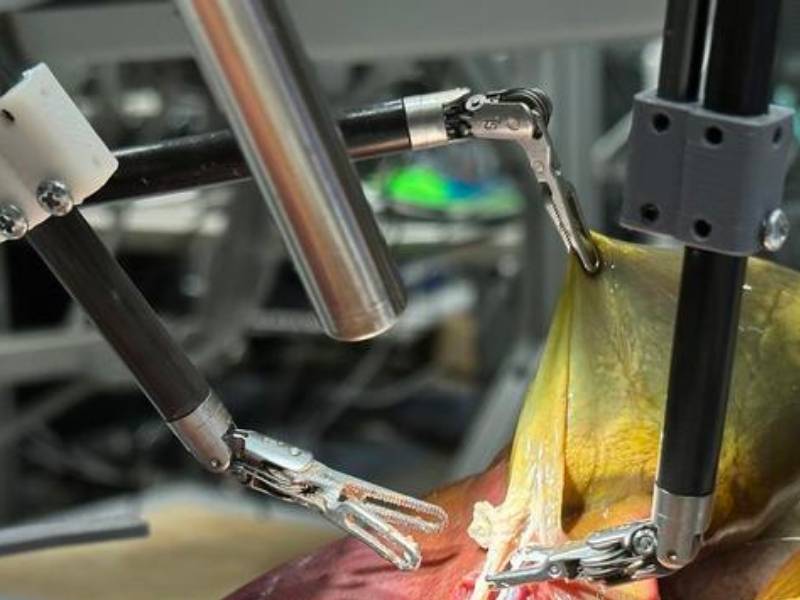
Robots trained by watching expert surgeons can now perform complex operations with little human help. This breakthrough is happening right now. For the first time, an autonomous surgical robot completed a key phase of gallbladder removal on a lifelike patient. It worked independently and adapted in real time to unexpected challenges.

Credit: XinHao Chen/Johns Hopkins University
How the autonomous surgical robot was trained using real surgery videos
Unlike previous surgical robots that followed rigid, pre-programmed instructions, the new system, named Surgical Robot Transformer-Hierarchy (SRT-H), was trained using hours of surgery videos. Researchers at Johns Hopkins University fed the robot visual data and captions describing each step of the procedure. This approach allowed SRT-H to learn the sequence and nuances of gallbladder surgery, including identifying ducts and arteries, placing clips, and making precise cuts.
What sets SRT-H apart is its ability to respond to voice commands from the surgical team. For example, the robot can understand instructions like “grab the gallbladder head” or “move the left arm a bit to the left.” This interactive feedback loop enables the robot to learn and self-correct, much like a surgical resident guided by a mentor.
Autonomous surgical robot adapts in real time like a human surgeon
During trials, SRT-H demonstrated remarkable adaptability. It performed the 17-step gallbladder removal process with 100% accuracy, even when researchers altered its starting position or changed the appearance of tissues using blood-like dyes. The robot’s performance matched that of skilled human surgeons, handling unexpected scenarios with composure and precision.
“This advancement moves us from robots that can execute specific surgical tasks to robots that truly understand surgical procedures,” said Axel Krieger, lead researcher at Johns Hopkins University.
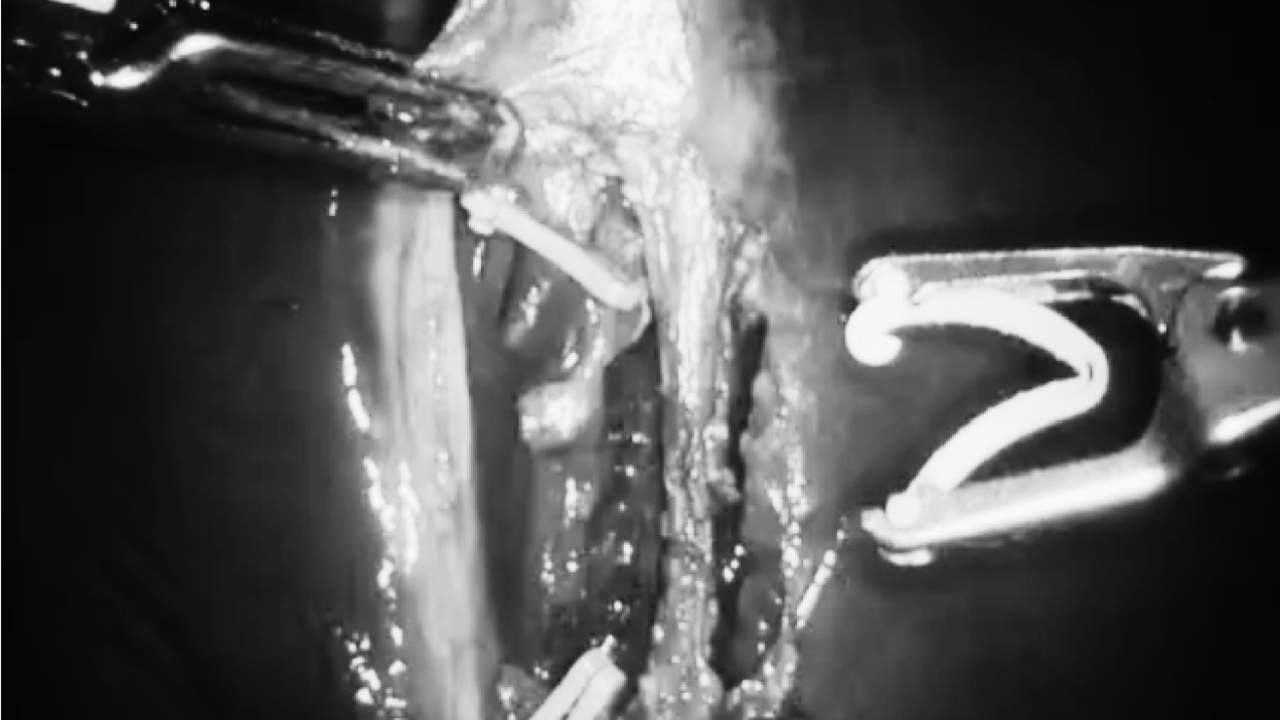
Credit: Johns Hopkins University
Why autonomous surgical robots could transform the future of surgery
Traditional surgical robots have made procedures less invasive, but they still rely heavily on human control. The autonomous surgical robot represents a step forward by combining mechanical precision with the ability to adapt and make decisions in real time. This technology could one day lead to fully autonomous surgeries, potentially improving outcomes and expanding access to high-quality surgical care worldwide.
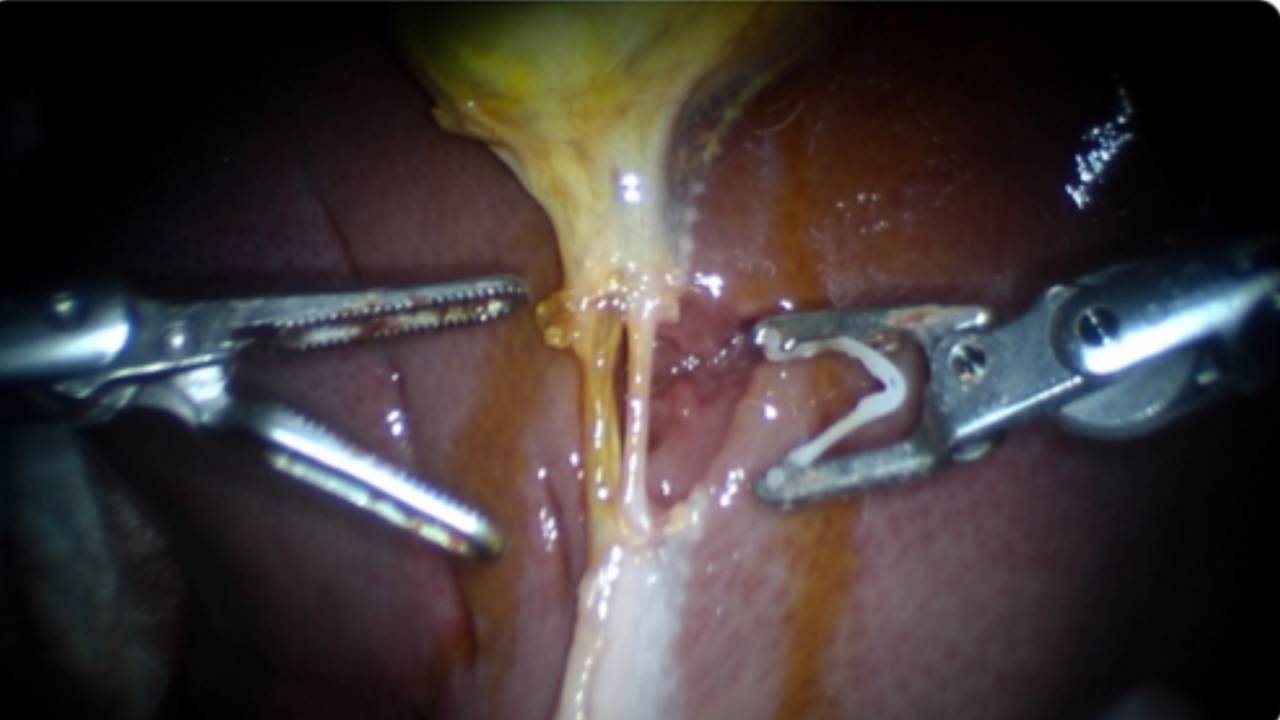
Credit: Johns Hopkins University
What’s next for autonomous surgical robots after gallbladder success?
The success of SRT-H in gallbladder surgery is just the beginning. Researchers plan to train the robot on a wider range of procedures and further enhance its capabilities. The ultimate goal is a robot that can perform entire surgeries autonomously, adapting to the unique anatomy and challenges of each patient.
What this means for you
If you’ve ever faced a long wait for surgery or worried about human error in the operating room, this breakthrough could directly affect your care. Autonomous surgical robots like SRT-H promise faster procedures, fewer complications, and better access, especially in rural or underserved areas. With their ability to learn from real surgeries and adjust in real time, these robots could support overworked surgical teams and help reduce burnout.
For patients, that means more consistent outcomes and shorter recovery times. While fully autonomous surgery isn’t available in U.S. hospitals just yet, the technology is moving fast. What happened in a research lab today could be part of your next hospital visit sooner than you think.
Watch the latest episode of The CyberGuy Report.

Missed this event? Sign up via the registration form and see our live recording.
See Kurt’s Prime Day picks for useful gadgets, practical upgrades and everyday tech while the deals last.
Related Links:
- Brain implant for epilepsy tested in 20-minute surgery
- Rice-sized robot could make brain surgery safer and less invasive
- Noninvasive brain tech and AI moves robotic hand with thought
Kurt’s key takeaways
The arrival of autonomous surgical robots is changing medicine fast. By combining AI, machine learning, and real-time feedback, these robots are ready to transform the operating room. As this technology improves, the gap between human skill and robotic precision will continue to shrink. This shift promises a future where surgery is safer and more efficient than ever before.
If a robot can perform surgery with the skill of a top surgeon, would you trust an AI to operate on you or your loved ones? Let us know in the comments below.
FOR MORE OF MY TECH TIPS & SECURITY ALERTS, SUBSCRIBE TO MY FREE CYBERGUY REPORT NEWSLETTER HERE
🎙 Now Streaming: My New Podcast: The CyberGuy Report
Kurt’s Top Deals
Deals move fast and inventory can be limited, so don’t wait too long.
| 🔥 Editor’s pick  Summer entertaining Ninja SLUSHi Machine (26% off) Frozen drinks and slushies at home in minutes. | |
| 💰 Top deal  Outdoor essential TYPEC Solar Bug Zapper (36% off) Solar-powered bug zappers for patios and camping. |


9 comments
It should also lower the monthly premiums individual have to pay their insurance carriers.
But what if the AI “revolts”, becomes self-aware, and decides its own “existence” depends on killing the humans who created it? 🤪We know what it means if a human surgeon says, “Oops.”
I had my gallbladder removed by a human surgeon. I wouldn’t want that procedure done by a robot, just like I wouldn’t get in a driverless taxi. At least not yet. Need more of a proven track record.
In 2018, a British medical journal released a report stating that the third leading cause of death in the US was medical mistakes. The next year, Johns Hopkins released a report showing the same thing. Since then, I have not seen any reports showing that this is no longer the case. People are human, and fallible, and make mistakes. With many in the medical field claiming that they are overworked due to staffing shortages, I would be very inclined to let a machine perform a routine surgery on me. We know overworked and tired people tend to make mistakes, but since machines cannot get tired, they may make fewer, if any, mistakes.
I had already two robotic surgeries. Prostate cancer and hernia. The robotic surgeries are amazing. Very minimal scaring and faster recovery.
The second hernia was to repair a botched surgery from another surgeon.
Your robotic surgery was performed by a living breathing surgeon.. There are far too many anatomical variations and unusual patterns to trust a machine to make decisions and execute procedures with 100% accuracy, which is what patients (and their lawyers) appear to expect 100% of the time. I know this because I’m a retired surgeon.
No. And not after I’ve just read Service Model by Adrian Tchaikovsky!
The speed in which technology is advancing in healthcare is mind blowing. I look at all of the movies that have been released with reference to machine learning and world domination. If someone can imagine it, will it come to life by scientists? Rather than autonomous surgical robots, I would love to see the technology cure cancer without chemo and radiation therapies. That to me would be the ultimate advancement.
In case your surgeon has a hangover or tee-off time approaching.