



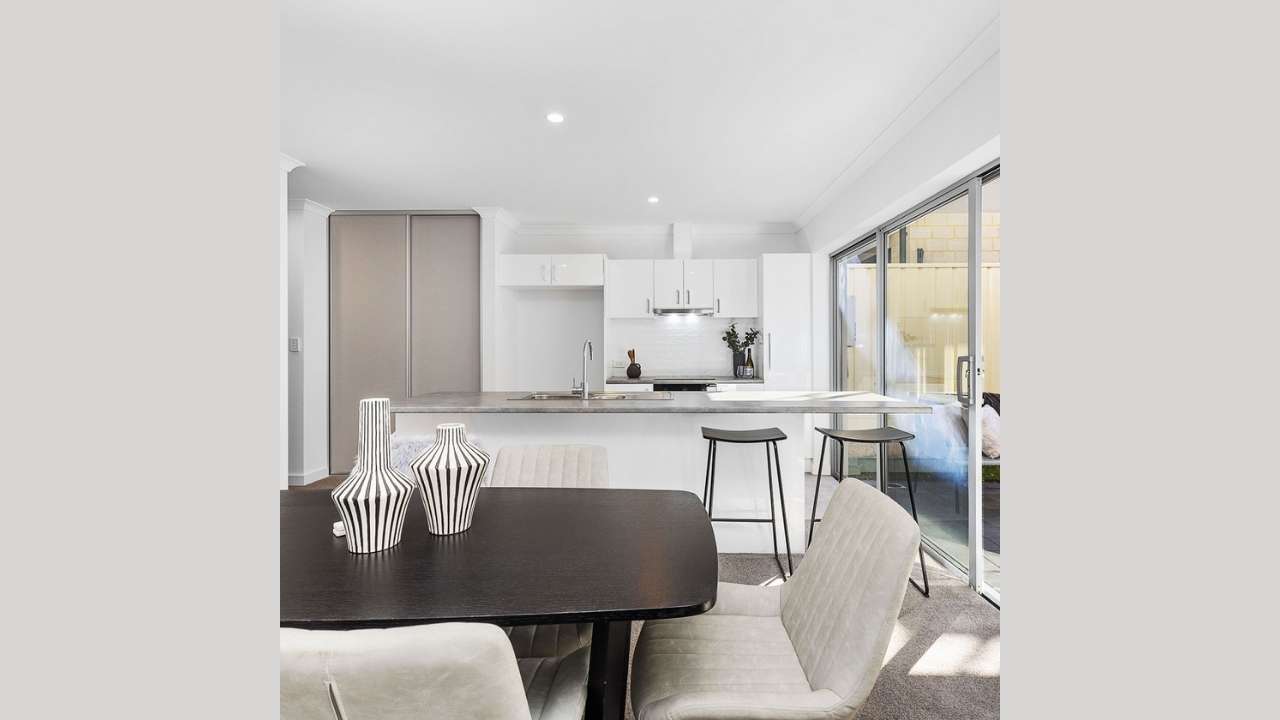
A major milestone in construction has arrived. This time from Western Australia. Contec Australia has completed the nation’s first multi-story 3D concrete printed home. Located in Tapping near Perth, the two-story residence was finished in just five months. Most impressive? The structural walls were 3D printed in only 18 hours of active printing time.
This matters because it points to where housing might be heading here, too. With rising costs, labor shortages, and a push for more sustainable building methods, this kind of breakthrough could shape the future of American neighborhoods.
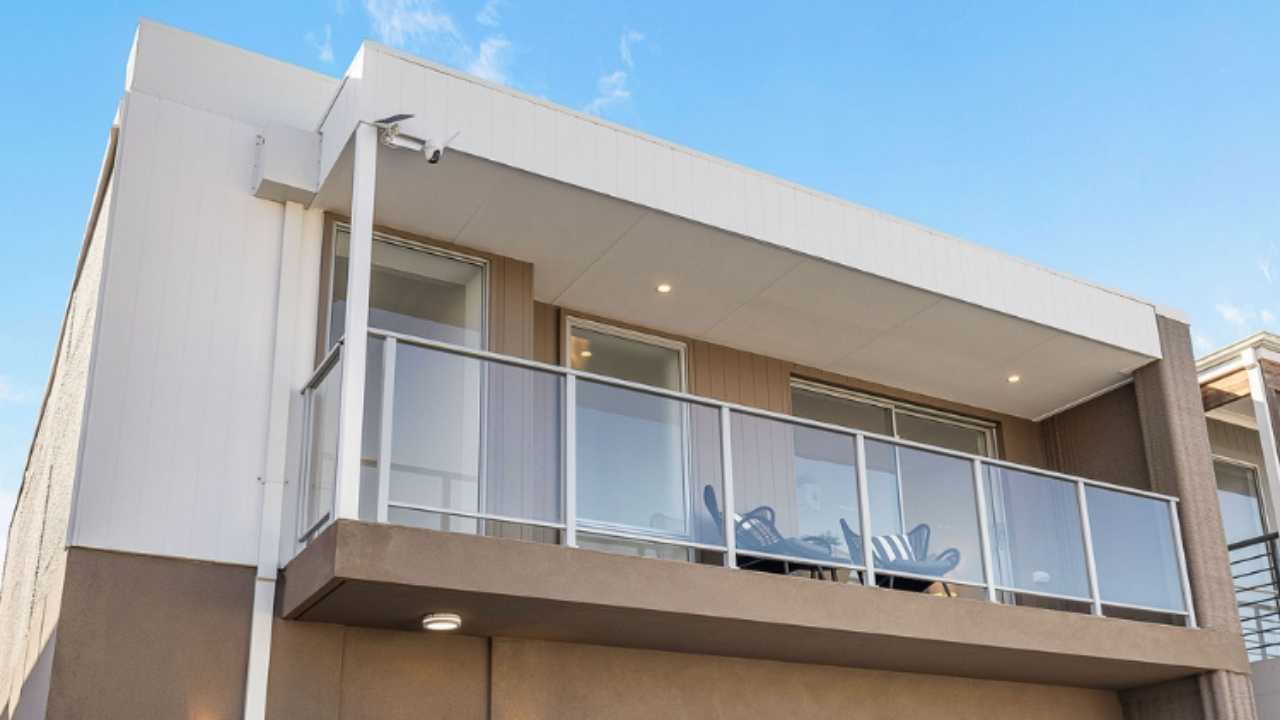
Credit: Contec Australia
Why this build is a game-changer
Contec’s project isn’t just a prototype. It demonstrates how 3D concrete printing can bring major benefits to everyday housing. Compared to traditional masonry construction, the Tapping home achieved:
- 22% cost savings on structural walls
- 3x the strength of brick (50MPa vs 15MPa)
- Faster delivery, with the entire project completed in just five months
And it doesn’t cut corners on durability. The walls are fire-resistant, water-resistant, termite-proof, and cyclone rated, features U.S. regions facing hurricanes, floods, and wildfires could find especially appealing.
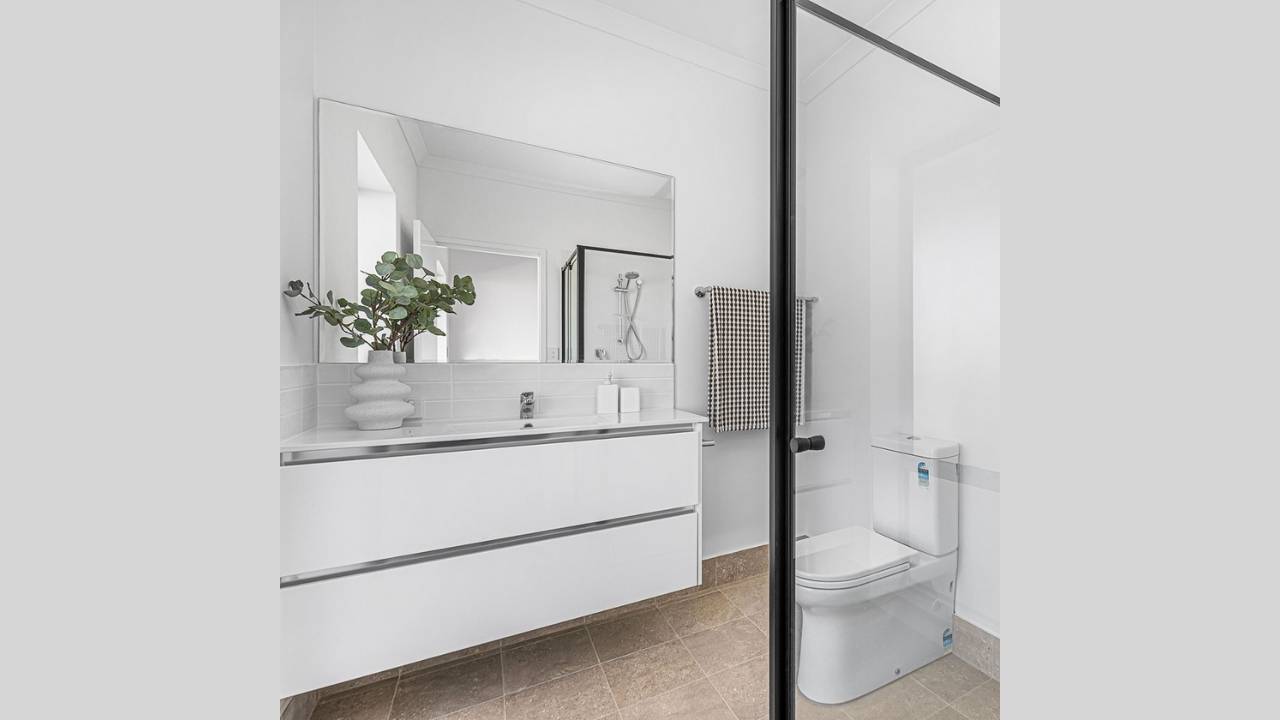
Credit: Contec Australia
How 3D concrete printing works
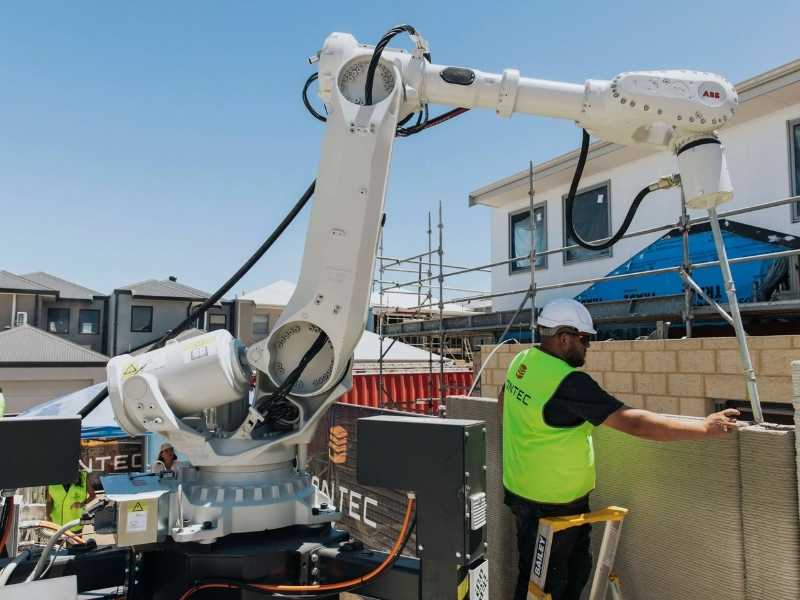
Instead of stacking bricks, Contec’s robotic printer extrudes a specialized concrete mix based on a digital 3D model. The mix sets in under three minutes, allowing new layers to be stacked without scaffolding or formwork.
The walls are printed in precise layers over the course of 18 hours of active machine time. Once the structural shell is complete, traditional crews step in to add the roof, wiring, windows, flooring, and finishing touches.
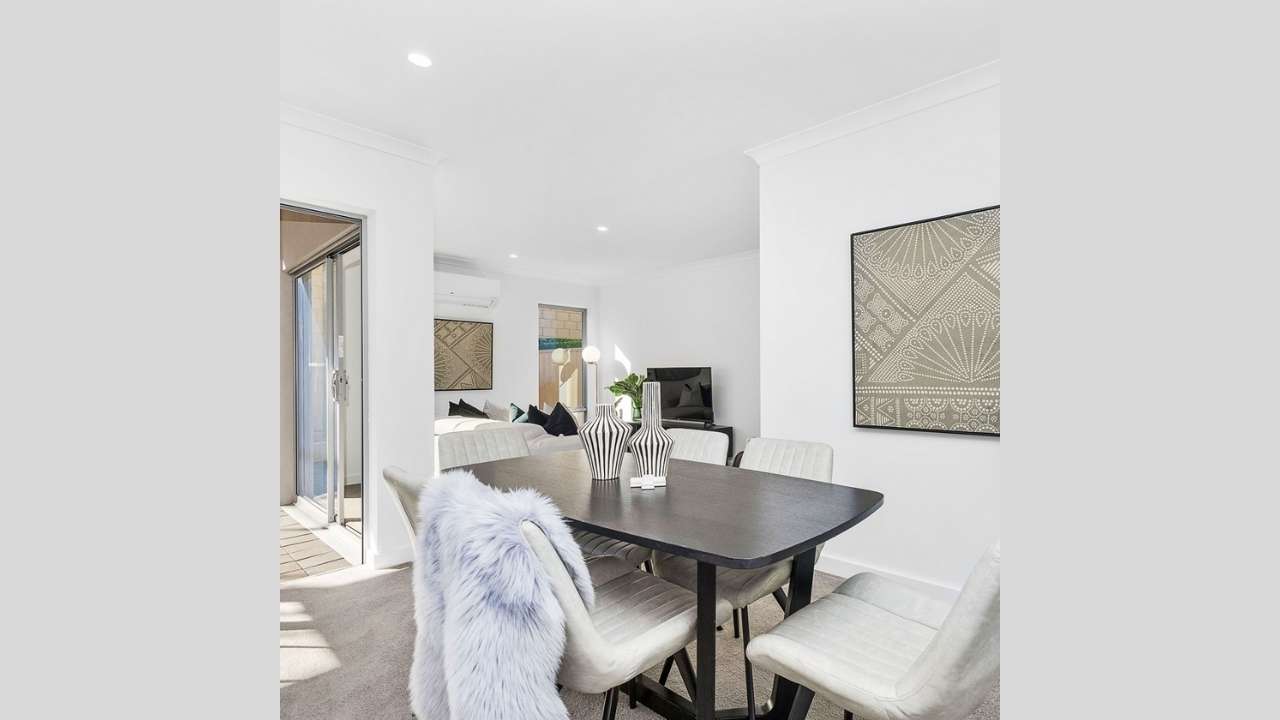
Credit: Contec Australia
Benefits that could apply in the U.S.
Speed: Structural walls finished in 18 hours; full build completed in five months.
Cost efficiency: 22% cheaper than comparable masonry builds in WA.
Design freedom: Complex shapes, curves, and openings without added expense.
Sustainability: 30% lower CO₂ emissions than conventional concrete and minimal waste.
Durability: More than three times stronger than brick, fire- and water-resistant, and able to withstand harsh weather.
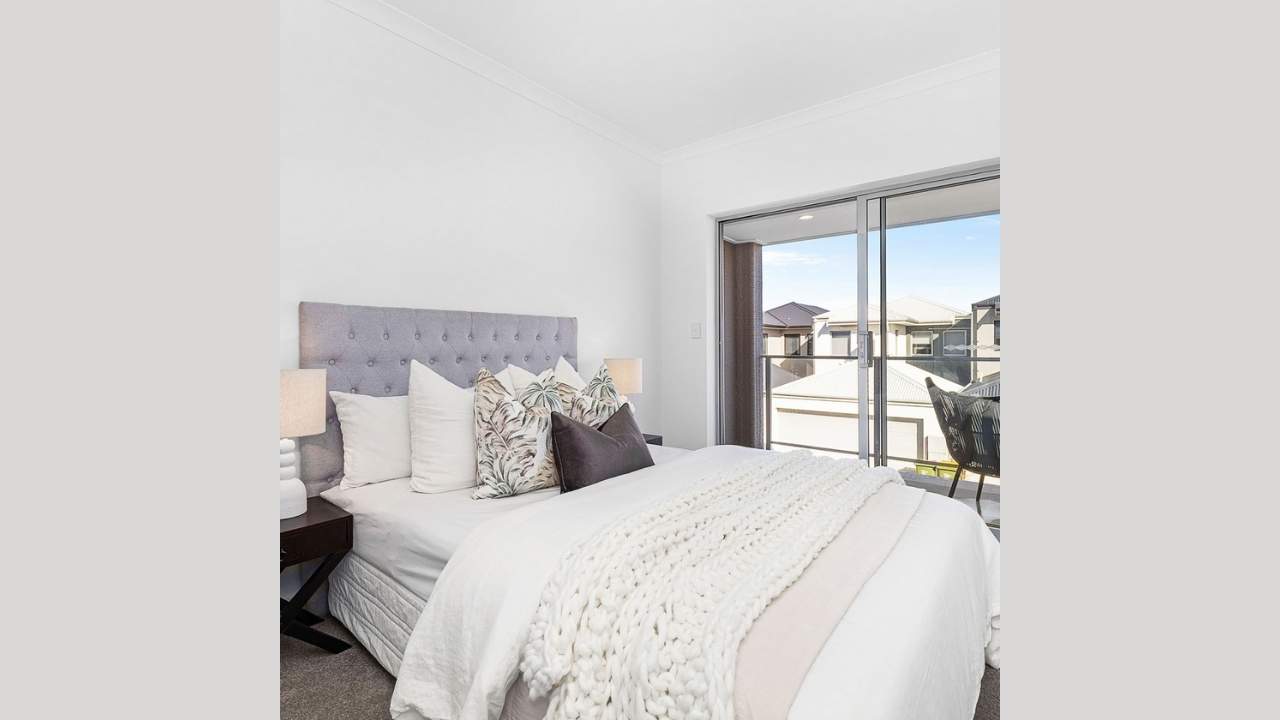
Credit: Contec Australia
How this compares to 3D printed homes in the U.S.
You may have already heard of Icon, the Texas-based startup that has been pioneering 3D printed homes. Icon’s builds include entire neighborhoods of single-story houses in Austin, as well as experimental multi-level projects. However, most of Icon’s multi-story designs rely on a hybrid approach, with 3D printing for the ground floor and timber or steel frames for the upper levels.
That’s what makes the Tapping project stand out. Contec printed the structural walls for both stories in just 18 hours of active printing time, something not yet widely seen in the U.S. This could signal the next step for American 3D printing: scaling beyond single-story housing into more complex multi-story designs.
Credit: Contec Australia
Watch the latest episode of The CyberGuy Report.

Missed this event? Sign up via the registration form and see our live recording.
See Kurt’s latest Amazon picks for useful gadgets, smart home upgrades and everyday tech worth grabbing while the deals last.
How much does a 3D printed home cost?
One of the biggest questions people have is price. Contec hasn’t shared the exact cost of the Tapping home, but the company says it delivered the structural walls 22% cheaper than a standard masonry build. That saving adds up when you consider how much of a home’s budget goes toward labor and materials.
In the U.S., companies like Icon have priced 3D printed homes starting around $100,000 to $150,000, depending on size and finishes. While final costs vary by region, land, and design, the potential savings from reduced labor and faster timelines make 3D printing an attractive option as housing costs continue to rise.
What this means for you
For American homeowners, builders, and communities, the Tapping project shows how 3D concrete printing could offer faster, cheaper, and more resilient housing. Imagine moving into a new home months earlier, with walls that are stronger, more sustainable, and better able to handle extreme conditions.
Related Links:
- Sustainable 3D printed home built primarily from soil
- America’s lessons from world’s largest 3D-printed schools
- 3D printer constructs stunning data center hands-free in 140 hours
Kurt’s key takeaways
3D printed housing is moving from concept to reality. This home shows that walls can go up in just 18 hours, and a full build can be finished in only a few months. That kind of speed changes the way we think about construction. With rising costs and ongoing labor shortages, builders need new solutions. 3D concrete printing offers a path to faster, more affordable, and more sustainable homes without cutting corners on strength or safety.
The big question is, if a 3D-printed home became available in your area, would you move in? Let us know in the comments below.
FOR MORE OF MY TECH TIPS & SECURITY ALERTS, SUBSCRIBE TO MY FREE CYBERGUY REPORT NEWSLETTER HERE
Copyright 2025 CyberGuy.com. All rights reserved. CyberGuy.com articles and content may contain affiliate links that earn a commission when purchases are made.
🎙 Now Streaming: My New Podcast: The CyberGuy Report
Kurt’s Top Deals
Deals move fast and inventory can be limited, so don’t wait too long.
| 🔥 Editor’s pick  Summer entertaining Ninja SLUSHi Machine (26% off) Frozen drinks and slushies at home in minutes. | |
| 💰 Top deal  Outdoor essential TYPEC Solar Bug Zapper (36% off) Solar-powered bug zappers for patios and camping. |


2 comments
Having been in the construction world for many years, I would say no. These 3D printed concrete homes have numerous challenges. One significant item is any changes. Basically, you have a problem. Wiring and plumbing problems. What about insulation? The interior needs to be finished on the inside. It might only be 18 hrs active printing time but the setup times are big. Everything has to run on like rails to do walls and such. it sounds good but once you look into it more, ehhh. I’ve got 50 yrs in the trades so I have some experience and have worked residential, commercial, and industrial. You won’t be able to sell the house. Even prefab homes are struggling for footing in the market. Different codes for each area, on and on.
YES! I would live in a 3D Printed Home!