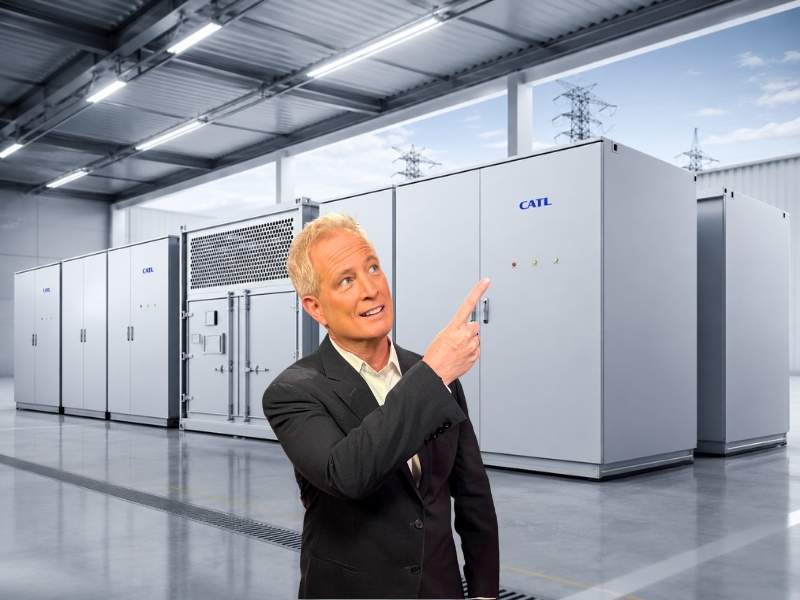


- CATL says its TENER Sodium system is ready for commercial grid storage.
- The battery uses sodium, a material CATL says is far more common than lithium.
- The system is designed to fit existing lithium iron phosphate storage platforms.
- CATL plans deliveries in China in 2026, but no specific U.S. rollout has been announced.
A new sodium-ion battery from Chinese battery giant CATL could eventually affect something much closer to home: the power grid that keeps your lights on. CATL has introduced its TENER Sodium Energy Storage System. The company says it is the world’s first field-validated sodium-ion energy storage system ready for commercial use.
Think big energy project, not phone upgrade. This battery is built for large storage sites that can support the grid. That kind of storage is getting more attention as electricity demand rises. AI data centers use a lot of power. Heat waves can strain local grids. Solar and wind power also need storage so electricity is available when people need it.
However, CATL has not announced a specific U.S. launch for this system. So, this is more about where grid storage may be headed than what your local utility will install tomorrow.

New sodium-ion battery targets grid storage
CATL just launched the TENER Sodium Energy Storage System in Munich, Germany. The company says cumulative shipments should reach 1 gigawatt-hour by the end of 2026. Deliveries in China are expected to start in September 2026. Global deliveries are scheduled to begin in June 2027.
That timeline shows sodium-ion batteries are moving closer to commercial use. The system is designed for stationary storage. In other words, it could help store electricity from solar farms, wind projects or other power sources for later use.
That becomes important when demand jumps during hot afternoons or renewable power drops later in the day.
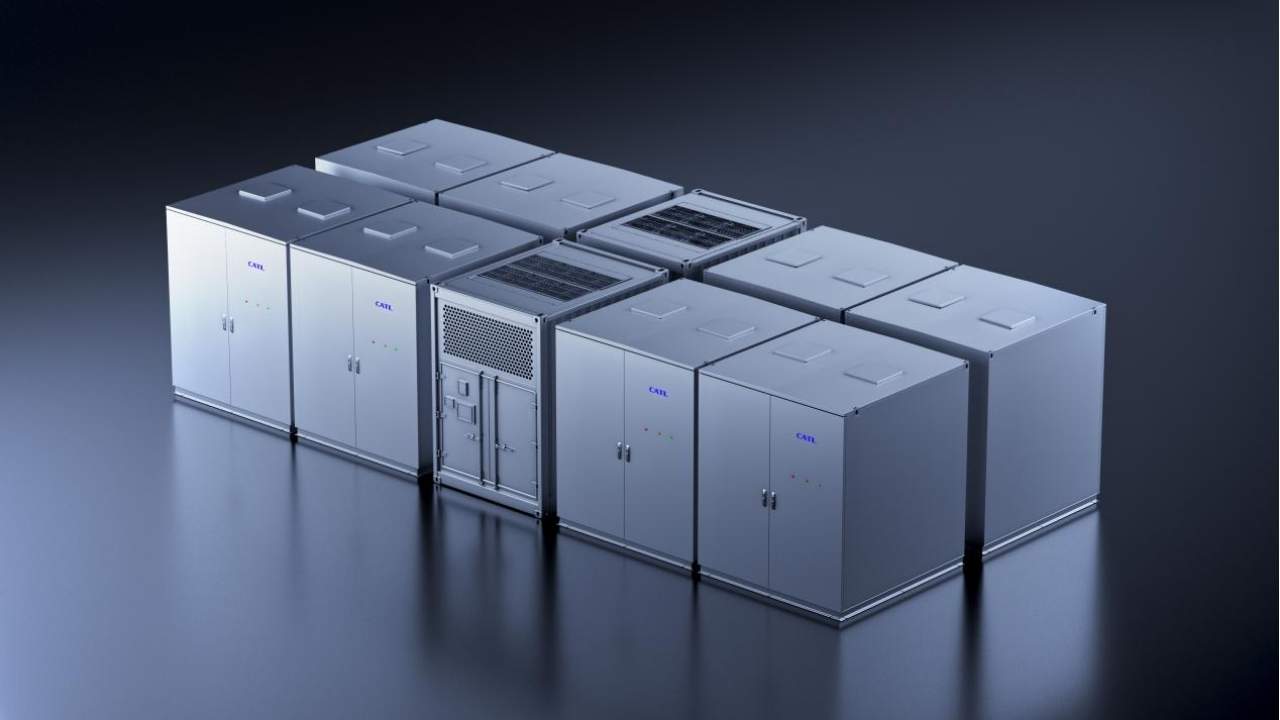
Credit: CATL
Sodium-ion battery storage could ease lithium pressure
Most large battery storage projects today use lithium-based systems. Lithium works well, but supply chains can be tight. Prices can also move when demand climbs. CATL says sodium is more than 1,000 times more common than lithium. The company also says sodium is widely distributed around the world.
That could make sodium-ion batteries attractive for grid storage. These batteries do not need to be tiny enough for a phone or light enough for an electric car.
CATL is not saying sodium will replace lithium overnight. Instead, the company says sodium and lithium could work together in future energy storage systems.
For you, the larger point is choice. More battery options could help energy companies reduce their dependence on a single material.
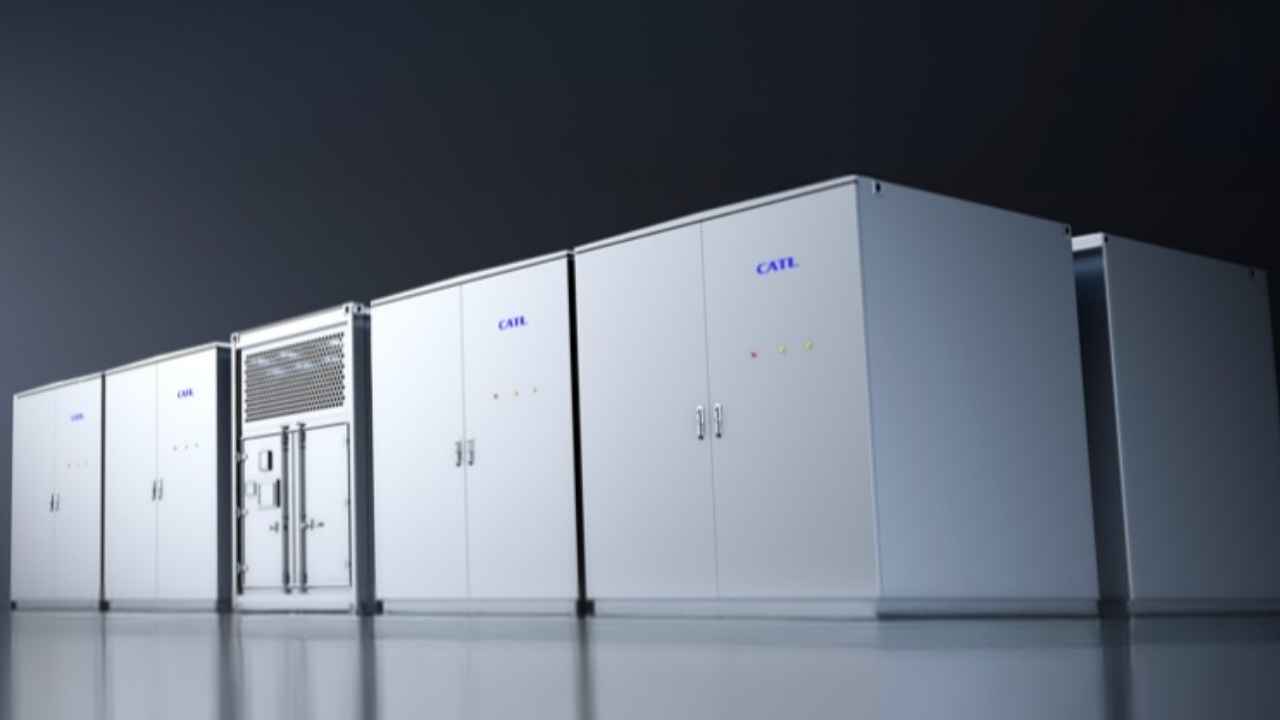
Credit: CATL
CATL says the battery fits existing systems
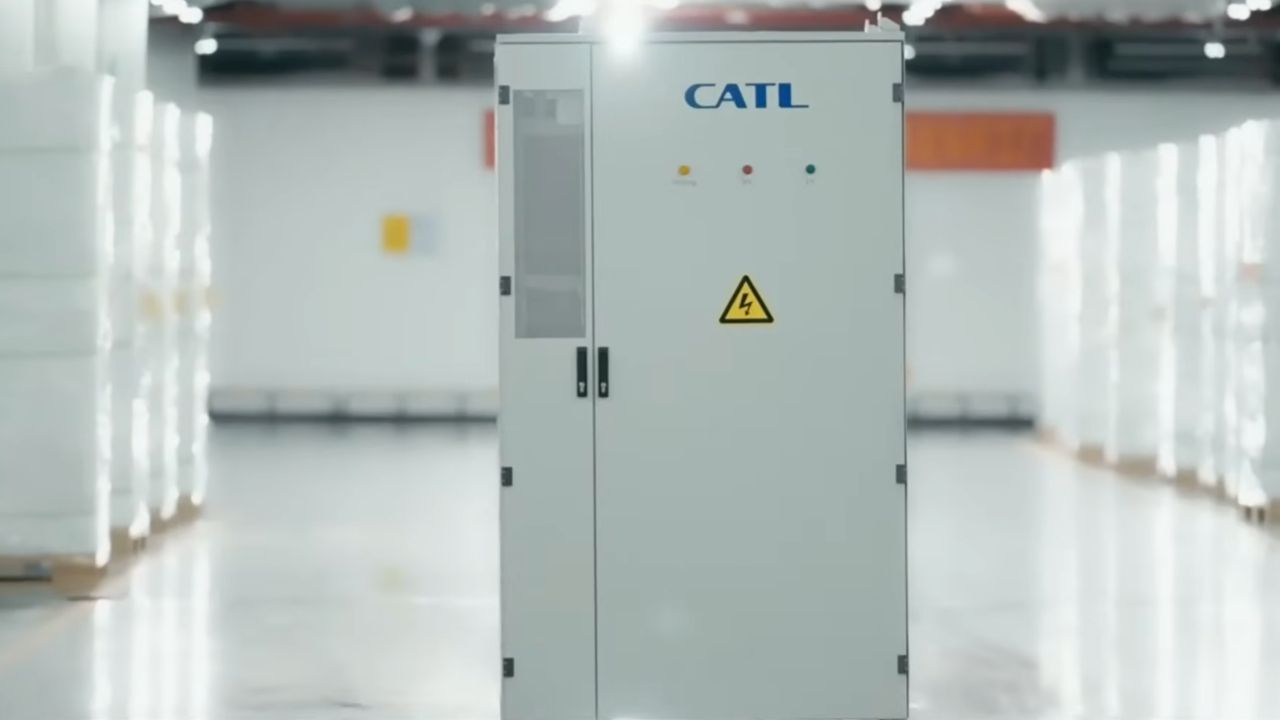
One of CATL’s bigger claims is that TENER Sodium can fit into existing lithium iron phosphate energy storage platforms. CATL says the system shares the same physical footprint as LFP systems. That could help developers avoid changing enclosures, redesigning projects or repeating certification steps.
The system delivers more than 30 megawatt-hours of rated capacity. CATL says each module weighs about 42 metric tons, or about 46 U.S. tons. The company says only 34 units are needed for a 1-gigawatt-hour storage site. The modular design also supports flexible storage durations of 1, 2, 4, 6 and 8 hours. That gives developers more room to tailor projects based on local power needs.
Watch the latest episode of The CyberGuy Report.

Missed this event? Sign up via the registration form and see our live recording.
See Kurt’s Prime Day picks for useful gadgets, practical upgrades and everyday tech while the deals last.
Sodium-ion battery design can handle tough conditions
Battery storage has to work in places that get brutally hot or freezing cold. CATL says TENER Sodium is designed for better extreme-temperature performance, enhanced safety and lower operating costs. The company also says its battery management system gives the sodium-ion system an additional 20 percent safety margin compared with lithium-ion batteries.
The system also uses a top-discharge airflow design that CATL says reduces heat generation by nearly 30 percent compared with conventional systems. CATL says auxiliary power consumption drops from the industry average of 2 percent to 1 percent.
That could be useful for large grid storage projects, especially in places where heat, storms or heavy power demand can strain local systems. CATL also says TENER Sodium operates at only 65 decibels, which is 10 decibels lower than conventional systems. That could help address local concerns when battery storage sites are built closer to where power is needed.
Credit: CATL
Sodium-ion battery shipments signal commercial momentum
CATL says TENER Sodium has reached full commercial maturity across technology, production capacity and supply chain readiness. The company says it has worked on sodium-ion battery research and development since 2016. CATL also says it has invested about $1.4 billion, depending on exchange rates, over the past decade.
CATL has expanded sodium-ion production lines at its Fuding base in China. The company says that adds 40 gigawatt-hours of annual capacity. Another planned base in Jining, Shandong, could support 160 gigawatt-hours of sodium-ion battery production capacity. CATL also says it signed a three-year, 60-gigawatt-hour sodium-ion energy storage order with HyperStrong in April 2026. The company described it as the world’s largest sodium-ion commercial contract.
Those numbers show CATL is treating sodium-ion storage as a serious commercial product. That said, U.S. adoption is a separate question. American utilities, regulators and developers would still need to weigh cost, performance, supply chain risk and security concerns.
What this means to you
This sodium-ion battery system may never be something you buy directly. However, the technology behind it could still affect how electricity gets stored and delivered. If sodium-ion storage proves reliable, it could give energy companies another way to support the grid. That may become more important as AI data centers increase electricity demand.
Better storage can help utilities use power more efficiently. It can also help balance supply when demand rises quickly. Still, there are limits. A new battery chemistry will not fix old transmission lines, slow permitting or local grid bottlenecks by itself.
The real takeaway is that sodium-ion batteries could become part of the grid storage mix. They are not a magic fix, but they could help energy companies build more flexible storage projects.
Related Links:
- Google turns CO2 into battery power for clean energy
- Wisconsin makes history with giant solar battery park
- Old vs. new backup power generators: battery vs gas
Kurt’s key takeaways
CATL’s new sodium-ion battery may sound like a faraway energy story, especially since there is no announced U.S. rollout yet. Still, it is important because the grid is under growing pressure from AI data centers, extreme weather and the need to store more renewable power. What stands out is the use of sodium, which CATL says is far more common than lithium. If this technology proves reliable in major energy projects, it could give utilities another way to store power and keep the grid steadier when demand spikes.
Would you be comfortable with Chinese-made battery systems supporting part of the U.S. electric grid if they helped make power more reliable? Let us know in the comments below.
FOR MORE OF MY TECH TIPS & SECURITY ALERTS, SUBSCRIBE TO MY FREE CYBERGUY REPORT NEWSLETTER HERE
Copyright 2026 CyberGuy.com. All rights reserved. CyberGuy.com articles and content may contain affiliate links that earn a commission when purchases are made.
🎙 Now Streaming: My New Podcast: The CyberGuy Report
Kurt’s Top Deals
Deals move fast and inventory can be limited, so don’t wait too long.
| 🔥 Editor’s pick  Summer entertaining Ninja SLUSHi Machine (26% off) Frozen drinks and slushies at home in minutes. | |
| 💰 Top deal 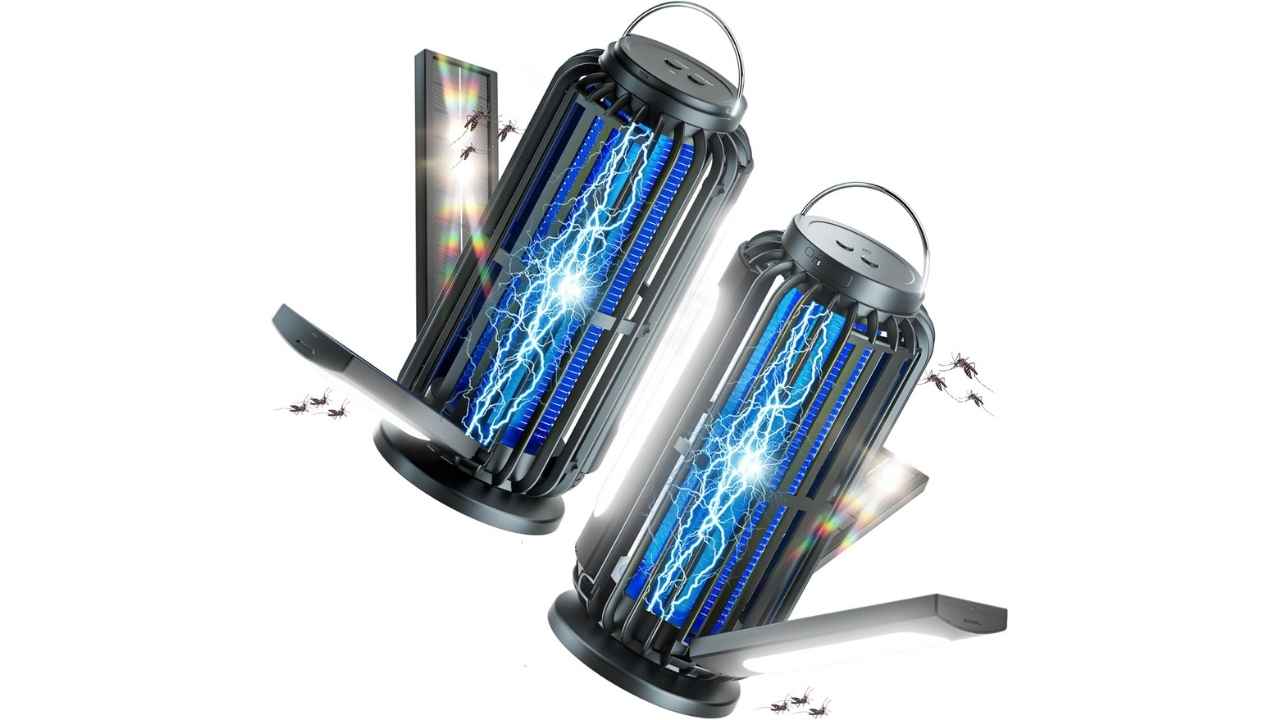 Outdoor essential TYPEC Solar Bug Zapper (36% off) Solar-powered bug zappers for patios and camping. |