


We’ve all got an email address, but not all of us know how to protect it from cyber threats. Think of your email address as the key to a treasure chest filled with virtual riches, aka all your private information. Your email address especially access to messages is the jackpot for cybercriminals.
It’s so easy to be tempted to share your email freely, enticed by exclusive offers and exciting newsletters or alerts. But just like any valuable key, you wouldn’t give it away to just anyone, would you? Sadly, not everyone has good intentions.
Generously giving out your email or sharing it with untrustworthy individuals is like leaving the gates to your digital kingdom unguarded. Sneaky hackers can take advantage of this and steal your email, giving them access to your private information, and this could mean identity theft, financial loss, and other serious consequences.
Let me put it another way. If a thief gets ahold of your email, they’ve succeeded at stealing a portion of your identity and are wearing a mask with your face on it.
I hope I now have your attention. Let me show you how to protect yourself now.
Why do hackers want your email address?
Hackers target your email address due to its pivotal role as a gateway to your personal information, financial data, and potential account takeovers, enabling them to carry out various cyberattacks with far-reaching consequences.
How much information can a hacker even get off your email?
It turns out crooks can get the majority of your information just through your email. In fact, hackers can get a hold of personal information as well as your finances just through your email. That’s right! They can use various techniques, such as phishing scams, malware, and password cracking, to gain access to your email account.
Once they have access, it’s like they’ve unlocked the door to your digital house and can rummage through all your private belongings. They can view your emails, contacts and even reset passwords for other online accounts linked to your email. Here is how you can learn to tell if you are being hacked, as well as how you can keep your private information – well, private.
Don’t be so quick to provide your email to anyone who asks for it
With everything being online now, from social media, work, shopping as well, and banking, it is impossible not to give your email out. You just need to be careful of who you do give that information to.
Once a hacker has your email, they can start hacking everything that comes through that email, from banking accounts to your social media accounts, as most of us use the same email for all of the accounts we have.
The consequences of a compromised email
Everything is at risk
Once your email address has been compromised by a hacker, everything in there is now at risk. Your personal and financial information, as well as your friends, family, and even work colleagues, are now at risk because the hacker gains unauthorized access and can potentially use the information for malicious purposes.
Hackers can exploit your personal data
Hackers who get their hands on your email address are essentially like pickpockets who have stolen the key to your safe. They may exploit your personal data for financial gain, sell it on the dark web, or use it to launch targeted attacks on you and your contacts. Hackers who possess your email address will likely target you with scams and, as I mentioned earlier, phishing emails, attempting to trick you into giving away money, account access, or personal information for identity theft. They may also impersonate others or fake companies to sell nonexistent goods or services.
Danger of being blackmailed, stalked, finances stolen, or impersonated
When your email is compromised, you are in danger of being blackmailed, stalked, having your finances stolen, impersonated, as well as having your identity completely stolen. The thief can use your identity to commit crimes or cause harm to others, all while pretending to be you.
How one convincing SSA scam nearly tricked a reader, and the five red flags to check before you click.
Saturday, June 13 at 10 AM ET.
See Kurt’s 2026 picks for every kind of dad.
[Ep. 34] Is that Social Security email in your inbox real?
```Beware of email spoofing: the wolf in sheep’s clothing
Scammers may also do what is called email spoofing, which is like a wolf in sheep’s clothing. They create a forged sender address that appears similar to yours, allowing them to bypass spam filters and distribute harmful malware or request money from unsuspecting victims. By pretending to be someone trustworthy, they can trick others into letting their guard down and falling for their scams.
How hackers can take over your accounts
If hackers gain access to your email, they can easily learn the passwords to all the accounts that use your email address as the username. All they have to do is click the “forgot password” button and change the password using the email sent to the address, like a thief changing the locks on your doors and locking you out of your own accounts.
So, as you can see, the consequences of a compromised email address can be far-reaching and devastating, affecting not only your privacy but also your reputation, relationships, and financial stability.
What can I do if I suspect my email has already been hacked?
If you suspect your email has been hacked, you should act fast to regain access to your account and prevent further damage. Here are some steps you can take to secure your account:
- Change your password immediately, making it strong and unique
- Update the passwords for other accounts if you use the same or similar passwords for them
- If you are locked out, contact your email service provider and provide proof of your identity
- Report the hack to your email service provider
- Scan your personal devices for malware using antivirus software
- Change your security questions
Steps to take to prevent your email from being compromised by a hacker
1) Be cautious when opening emails from unknown or suspicious senders, and avoid clicking on links or downloading attachments from those emails. These could be phishing attempts designed to steal your personal information or install malware on your device.
2) Keep your computer and other devices up to date by checking for operating system updates on a regular basis, install application updates when your system prompts you to
3) Set up two-factor authentication anytime possible. If someone tries to get a hold of your account, this is an extra layer of protection that will ask for confirmation from a code on your mobile device.
4) Have strong antivirus software installed on all your devices. Having antivirus software on your devices will make sure you are stopped from clicking on any potential malicious links which may install malware on your devices, allowing hackers to gain access to your personal information.
- Strong real-time protection against viruses, malware, ransomware and hacking attempts
- AI-powered scam protection to help identify suspicious emails, texts and websites
- Built-in password manager to securely store and manage logins
- 2 GB PC cloud backup to help protect important files from ransomware or hardware failure
- Smart firewall and phishing protection
- Protection for 1 or 5 devices
- Protects 1 or 5 devices
- Available for Windows, macOS, Android and iOS
- Includes real-time threat protection, smart firewall and phishing protection to guard against online attacks
5) Use a strong, unique password for all of your accounts, and consider using a password manager to securely store and generate complex passwords. It will help you to create unique and difficult-to-crack passwords that a hacker could never guess. Second, it also keeps track of all your passwords in one place and fills passwords in for you when you’re logging into an account so that you never have to remember them yourself. The fewer passwords you remember, the less likely you will be to reuse them for your accounts.
Use NordPass to check if your email or passwords have shown up in known data breaches, and take immediate action if they have.
CyberGuy Exclusive Deal: Save 52% now with CyberGuy’s exclusive NordPass offer – Get 1 extra month FREE with a 2-year plan. Try 30 days risk-free for only $1.43 per month!
6) Use alias email addresses which is an additional email address that is associated with your primary email account. You can use an alias email address to send and receive emails, and it can help protect your primary email account from spam and potential hacking attempts. Some email service providers, such as StartMail, offer the ability to create alias email addresses. That way, if hackers get your email address, you can easily delete it if it gets into the wrong hands. My top recommendation to avoid being inundated with spam emails is to use an alias email address.
An alias email address is an additional email address that can be used to receive emails in the same mailbox as the primary email address. It acts as a forwarding address, directing emails to the primary email address. In addition to creating throwaway email accounts for online sign-ups and other circumstances where you would not want to disclose your primary email address, alias email addresses are helpful for handling and organizing incoming communications. Sometimes, it’s best to create various email aliases so that you don’t have to worry about getting tons of spam mail and having your email eventually stolen in a data breach. An alias email address is a great way for you to stop receiving constant spam mail by simply deleting the email alias address.
My #1 pick for secure and private email is StartMail, which allows users to create unlimited, customized aliases. You can get an Exclusive deal for CyberGuy readers: 50% off: $29.98 for first year ($2.50 per month, billed annually). Includes a free 7-day trial.
See my review of best secure and private email services here
Related Links:
Why does everyone seem to want your email address?
Outsmart spammers to finally end unsolicited emails
Kurt’s key takeaways
It’s crucial to be aware of the potential risks associated with sharing your email address carelessly. Hackers can exploit various techniques to gain unauthorized access to your email and wreak havoc on your personal and financial life. If you suspect your email has been hacked, take immediate action to secure your account and prevent further damage by changing your password, updating passwords for other accounts, and contacting your email service provider. Remember, taking proactive steps to safeguard your email can help you maintain your privacy, protect your personal data, and avoid the devastating consequences of a compromised email account. Stay vigilant and implement these security measures to keep your information safe and secure.
Have you ever suspected or had your email used in any scam or malicious way before? Let us know by commenting below.
FOR MORE OF MY TECH TIPS & SECURITY ALERTS, SUBSCRIBE TO MY FREE CYBERGUY REPORT NEWSLETTER HERE
Copyright 2026 CyberGuy.com. All rights reserved. CyberGuy.com articles and content may contain affiliate links that earn a commission when purchases are made.
🎙 Now Streaming: My New Podcast: The CyberGuy Report
Kurt’s Top Deals
Deals move fast and inventory can be limited, so don’t wait too long.
| 🔥 Editor’s pick  Summer entertaining Ninja SLUSHi Machine (26% off) Frozen drinks and slushies at home in minutes. | |
| 💰 Top deal 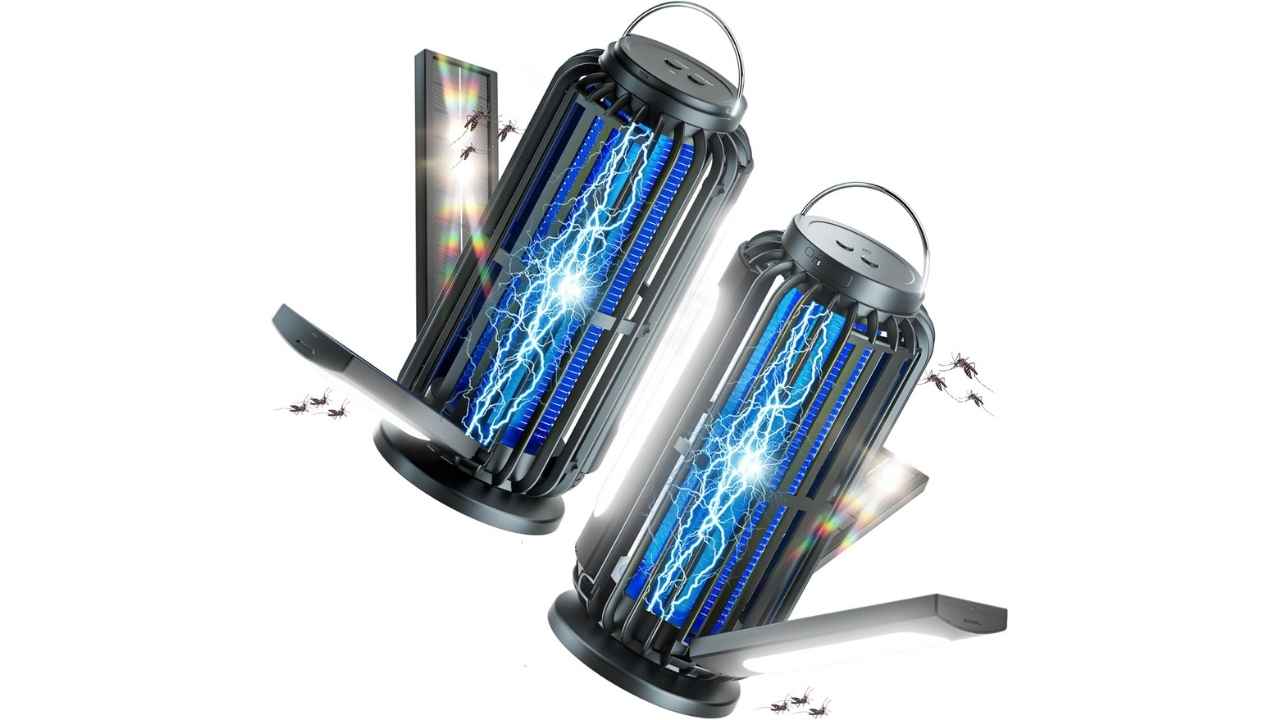 Outdoor essential TYPEC Solar Bug Zapper (36% off) Solar-powered bug zappers for patios and camping. |


4 comments
Since my email address has already been given out to various businesses how can I set up protection?
Hi Theresa, please follow our tips here to reclaim your privacy and tips to protect yourself here.
have received a threat to my email saying that i have been watching porn. How can I get the information to catch this crooked individual?
Seemingly the sender is my own Email address!
Hi Mauricio, please read about this scam here.