



- A nationwide survey of 2,000 U.S. adults found 35% already use AI to help manage their health and wellness.
- People commonly turn to AI for medical questions, meal planning, workout routines and emotional support.
- More Americans say they trust AI for health guidance than social media or online influencers.
- Experts say AI can support wellness decisions but should complement, not replace, medical professionals.
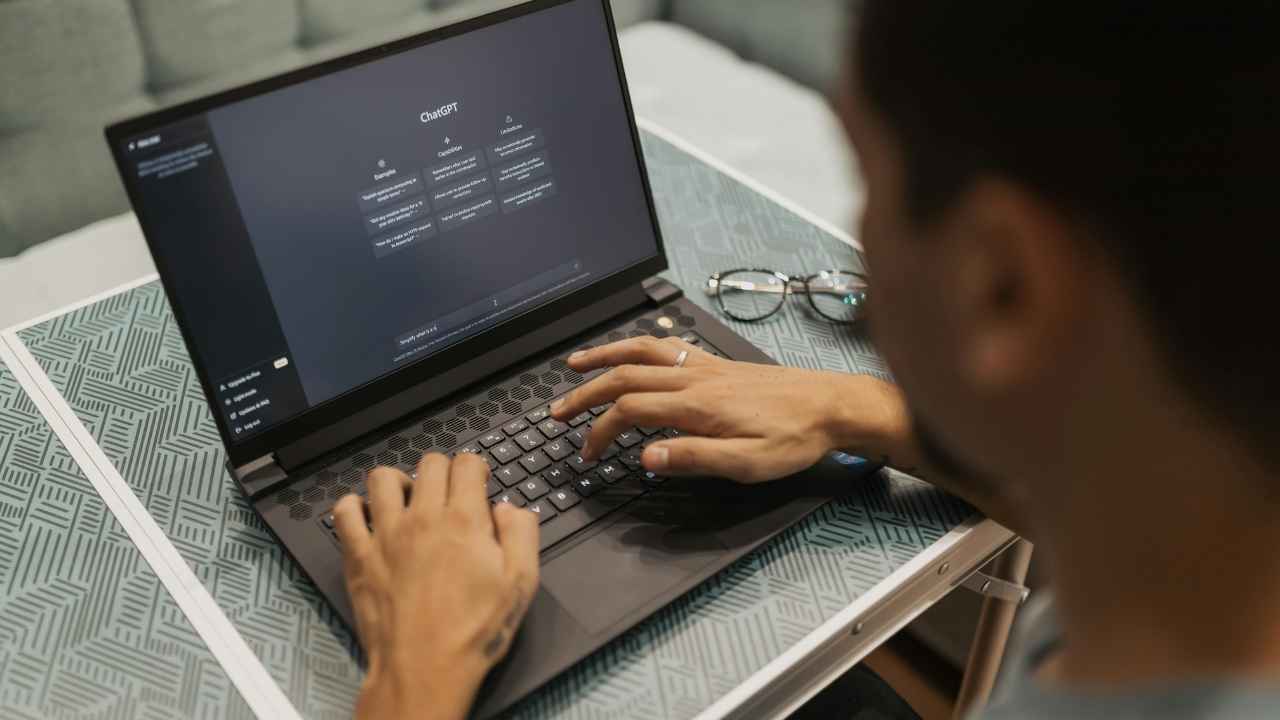
Forget typing symptoms into a search bar. A growing number of Americans are now using artificial intelligence to manage their health and wellness. According to a 2025 nationwide survey of 2,000 U.S. adults conducted by Talker Research for The Vitamin Shoppe, 35% report already relying on AI to understand and manage aspects of their well-being. From planning meals to getting fitness advice, AI is quickly moving from a futuristic concept to a daily health tool.

How Americans use AI for everyday health
The survey, conducted by Talker Research for The Vitamin Shoppe’s annual Trend Report, shows just how deeply AI is embedded in people’s health routines:
- 31% use AI to explore specific medical concerns.
- 25% rely on it for meal planning and recipes.
- 23% turn to AI for new workout routines.
- 20% seek emotional or therapeutic support through AI.
That’s not all. A quarter of users (24%) are even using AI to fact-check information they’ve heard from doctors, friends, or social media.
More people trust AI than social media for health
Surprisingly, trust in AI is climbing fast. About 63% of Americans find AI trustworthy for health guidance. That’s more than those who trust social media (43%) or influencers (41%), though still less than those who rely on doctors (93%)or friends (82%). And when it comes to convenience, AI wins points. About a third of users (31%) say they prefer asking AI over searching Google. Nearly as many (27%) say it’s easier than getting advice from a health professional.
What’s fueling the rise of AI in wellness?
The trend is part of a bigger picture. A full 73% of Americans want to stay up-to-date with the latest health trends. And 68% believe AI will play an even bigger role in the future of wellness.
Other findings from the Trend Report show:
- 51% are more aware of peptides than five years ago.
- 66% are adding more protein to their diets.
- 54% prioritize sleep and rest over workouts.
- 44% are making peace with aging, while only 21% actively try to fight it.
These shifts reflect a broader view of wellness-one that balances physical, mental, and emotional health.
Supplements and smart health trends in 2025
Supplements remain central to many routines. About 69% of Americans currently take them. And thanks to new delivery options like gummies, chews, and liquids, 34% say it’s now easier than ever to stick with a supplement plan. Meanwhile, time-tested adaptogens like shilajit are gaining popularity among younger consumers. And innovations like NAD+ for longevity and peptides for recovery are seeing rising demand. As Muriel Gonzalez, President of The Vitamin Shoppe, explains, “AI is just one piece of a much larger wellness evolution.”
What this means for you
If you’re looking to boost your wellness routine, AI might offer a helpful starting point. Whether you need meal suggestions, emotional support, or a new workout plan, these tools are becoming more accurate and more accessible. Just remember: AI works best when paired with trusted information, professional guidance, and healthy habits. Think of it as a supplement, not a substitute, for well-informed health decisions.
Watch the latest episode of The CyberGuy Report.

Missed this event? Sign up via the registration form and see our live recording.
See Kurt’s latest Amazon picks for useful gadgets, smart home upgrades and everyday tech worth grabbing while the deals last.
Related Links:
- 5 Tech terms to know for your mental health
- Swallow this pill to learn about your gut and health
- Best cutting-edge health and fitness tech from CES 2025
Kurt’s key takeaways
AI is reshaping how Americans think about health. From simplifying self-care to helping people make more informed choices, it’s clear that AI is becoming part of everyday wellness. And with more people prioritizing sleep, mental health, and balanced nutrition, the future of health looks holistic, personalized, and data-driven.
As AI becomes smarter, would you rely on it more than your doctor or friends? Or do you still prefer human advice when it comes to your well-being? Let us know in the comments below.
FOR MORE OF MY TECH TIPS & SECURITY ALERTS, SUBSCRIBE TO MY FREE CYBERGUY REPORT NEWSLETTER HERE
Copyright 2026 CyberGuy.com. All rights reserved. CyberGuy.com articles and content may contain affiliate links that earn a commission when purchases are made.
🎙 Now Streaming: My New Podcast: The CyberGuy Report
Kurt’s Top Deals
Deals move fast and inventory can be limited, so don’t wait too long.
| 🔥 Editor’s pick  Summer entertaining Ninja SLUSHi Machine (26% off) Frozen drinks and slushies at home in minutes. | |
| 💰 Top deal  Outdoor essential TYPEC Solar Bug Zapper (36% off) Solar-powered bug zappers for patios and camping. |


8 comments
This doesn’t surprise me at all. I am one of these people. For me, it’s a lack of trust in the medical field in general and the overall integrity of Doctors. AI (Grok for me) that has no human opinion and uses only recorded data to respond, always pointing out that it is NOT a Doctor. Unless there is incorrect data recorded, it seems to me to be the most informative. Even if there is erroneous data somewhere, there may be enough conflicting data to get to the most accurate information. Dr. Grok works for me unless I need a prescription. I am one who truly doesn’t trust Doctors. I’ve always said, ” Go to a butcher and they sell you meat”.
The danger of AI has always been what information it is given and more strategically, what sources it draws from and then how it decides the best answer. For instance, if you are using a VPN in Costa Rica and ask who the president is, you’ll likely get Rodrigo Robles when your real question was intended for the US. There are so many parts of a question. A medical diagnosis would almost have to draw from a battery of questions and tests. I would have far more confidence being seen by a medical professional and then having them query AI to help with the diagnosis. In fact, about 20 years ago, that would have saved me a lifetime of pain and difficult.
Regarding people who trust AI: I’m not one of those. While I think AI has a place, I have enough well-founded doubts to not put my life entirely in it’s digital “hands.” Of course, with modern medicine overspecializing and devolves as it is, it’s hard to entirely trust human doctors too, since today’s practitioners seem to have less practical, hands-on knowledge than those of a generation ago. and the next gen doctors will probably be even less comfortable with a “hands on” method of treating patients than the current ones. I’d prefer training doctors with a more holistic and less pharmaceutical approach, backed up by AI diagnostics to catch what the human might miss.
Relying on ‘human advice’ from our doctors is becoming practically non-existent these days. Our ‘healthcare’ system is very broken, and should be re-named the ‘sickcare system’. With medical corporations owning entire towns (like San Angelo, TX) and the doctors in that town, where patients have no other options that to feed the corporate ‘beast’. Money grabs, that is what our healthcare system is here in the US. Especially as we age and our health/medical needs can increase quite a bit, which means we can require more actual time spent with the doctor to address our many questions. But primary care docs are hugely limited by ‘the corporation’ as to how much actual time they are allowed to spend per patient. I’m lucky if I get a full 5 minutes out of my doctor! So of course people are going to seek alternatives, and AI is one of them. We are become a ‘self-serve’ society, thanks to the internet and innovations like AI. Professionals have gotten lazy. They don’t have to do hardly any of the work. It irritates the doctors mad that patients are trying to educate themselves instead of always heeding the advice of the doctor, but too bad. The only thing that doctors are good for nowadays is to either medicate you to death, or cut into you and remove body parts via surgeries. They do not, or CANNOT, take the time to truly listen, and to give the patient alternatives, such as preventative care like nutrition, lifestyle, etc. The prescription pad is their main tool, that, and whatever outdated information they have been brainwashed to hype to the patients. Most doctors do not bother to truly educate themselves about the minutiae of how the body systems really works from head to toe. If a person does not want to be medicated and have their organs ruined by these poisons, then of course they will seek alternatives. Americans are distrusting the Big Pharma beast and all of its players, more and more. We have no options other than to educate ourselves in any way we can.
I suppose an important question not mentioned in this article is, how many doctors are using AI today?
I still prefer human advice but might use AI to explore options.
In my experience, the best solution for me was signing up with a MD VIP doctor. They will answer the phone. They know me, They will see me within 24 hours. For my annual exam, my doctor will see me face to face for as long as it takes.
Grok saved my life. I had a medical “episode”, cardiologist & primary suggested many different exams/tests. After angiogram, I was still feeling the same type of original symptoms. I asked Grok….in no uncertain terms, repeatedly, Grok urged me to go to ER, I did…MRI showed a stroke. If I had waited….and taken the time to schedule and go to all the testing and follow up appointments…I would probably be in a drooling vegetable in a nursing home